
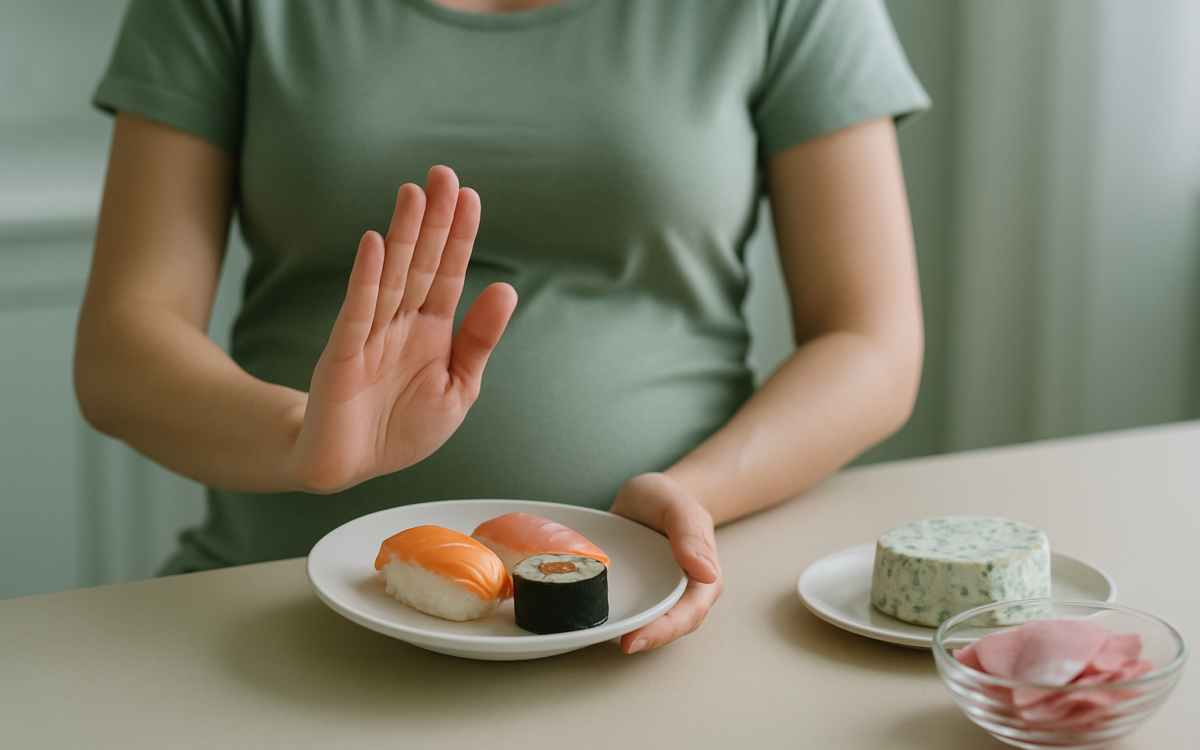
Pregnancy is an exciting time filled with anticipation and change. However, it’s important to be mindful of what you consume. Some foods can pose risks to you and your developing baby. This article will guide you through foods you should avoid while pregnant, helping you to make informed choices for your health and your child’s well-being.
Raw or Undercooked Foods
One of the key areas of concern during pregnancy is the consumption of raw or undercooked foods. This includes various types of meat, seafood, and eggs. Raw or undercooked meats can harbor harmful bacteria, such as Salmonella and Listeria, which can lead to severe foodborne illness.
- Meats: Avoid sushi made with raw fish, undercooked steaks or hamburgers, and processed meats like hot dogs unless they are heated until steaming.
- Seafood: Shellfish, such as oysters and clams, should be fully cooked to eliminate pathogens.
- Eggs: It’s crucial to cook eggs until both the white and yolk are firm to prevent Salmonella infection.
Unpasteurized Dairy Products
Unpasteurized dairy products can harbor dangerous bacteria that can harm both you and your baby. Foods such as cheese made from raw milk (like some brie or feta varieties) can carry Listeria, which is particularly risky during pregnancy.
Opt for pasteurized versions of dairy products, which have been treated to eliminate harmful bacteria. This includes milk, cheese, and yogurt. Always check food labels to ensure they are pasteurized.
Certain Fish and Seafood
While fish can be a healthy protein source, some varieties contain high levels of mercury, which can be detrimental to fetal development. The FDA recommends avoiding fish high in mercury, such as:
- Shark
- Tilefish
- King mackerel
- Bigeye tuna
Instead, opt for low-mercury fish like salmon, sardines, or trout, which can provide essential omega-3 fatty acids beneficial for your baby’s growth and development.
Caffeine and Alcohol
Both caffeine and alcohol are substances that pregnant individuals should consume with caution. High caffeine intake has been linked to an increased risk of miscarriage and low birth weight. The general recommendation is to limit caffeine consumption to about 200 mg per day, which is roughly equivalent to one 12-ounce cup of coffee.
Alcohol consumption during pregnancy can lead to Fetal Alcohol Spectrum Disorders (FASD), which can cause developmental delays and disabilities in children. The safest choice is to avoid alcohol entirely while pregnant.
Processed Junk Foods
While it may be tempting to indulge in fast food and sugary snacks, these processed foods usually provide little nutritional benefit and are high in unhealthy fats, sugars, and sodium. Eating a diet rich in whole foods like fruits, vegetables, whole grains, lean proteins, and healthy fats can support a healthy pregnancy and prevent excessive weight gain.
Moreover, maintaining a healthy diet can help combat pregnancy-related issues like gestational diabetes and hypertension.
International Treatment Considerations
For those considering having their pregnancy monitored or managed through international treatment, such as treatment in Turkey, it’s essential to ensure that you are aware of local dietary guidelines and health practices. Different countries may have various recommendations regarding food safety and nutrition during pregnancy. Always consult with healthcare professionals about what to avoid based on regional dietary practices and availability.
When to See a Doctor
If you experience any concerning symptoms—such as severe nausea that prevents you from eating, unusual cravings for non-food items, or concerns about your diet—reach out to your healthcare provider. They can provide personalized guidance tailored to your specific needs and circumstances.
Remember, every pregnancy is unique, and what works for one person may not work for another. Staying informed, making prudent dietary choices, and seeking advice from your healthcare team can help ensure a healthy pregnancy.
In conclusion, being cautious about what you eat during pregnancy is vital for both you and your baby. By avoiding certain foods and making healthier choices, you can help create the best environment for your child’s growth and development.
