
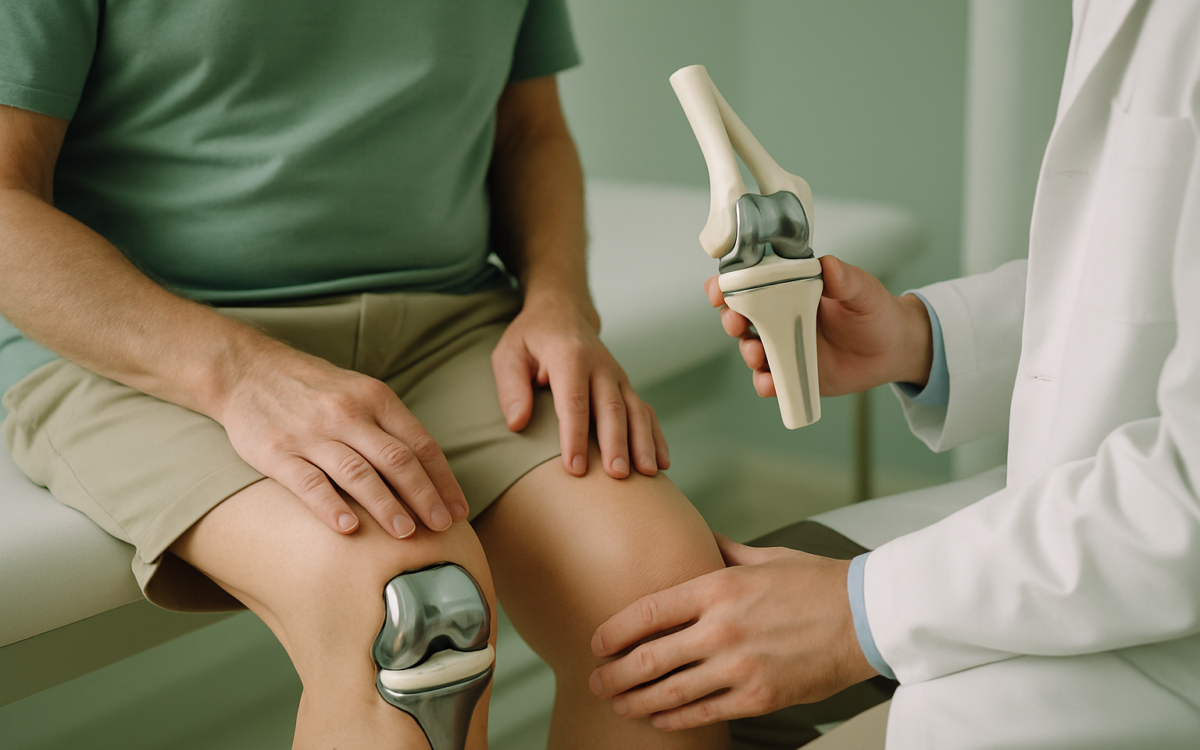
As we age or after injuries, our joints can wear down and cause pain, particularly in the knees. For many, this pain may lead to a decision to consider artificial knees, also known as knee implants or knee replacements. This article aims to provide a clear picture of what artificial knees are, when they are necessary, the benefits and risks involved, and what recovery looks like.
Understanding Artificial Knees
Artificial knees are prosthetic devices designed to replace a damaged or diseased knee joint. They can be made from various materials, including metals, plastics, and ceramics, designed to withstand the significant forces our knees endure. The surgery to implant these devices is commonly referred to as knee arthroplasty.
Why Might You Need an Artificial Knee?
There are several reasons a healthcare provider might recommend an artificial knee:
- Osteoarthritis: The most common reason, involving the wearing down of cartilage. This condition leads to pain, stiffness, and decreased mobility.
- Rheumatoid Arthritis: An autoimmune condition that causes inflammation in the joints and can result in significant knee damage.
- Post-traumatic Arthritis: Results from an injury that damages the knee joint, leading to long-lasting pain and disability.
If conservative treatments, such as medication and physical therapy, fail to relieve knee pain, discussing knee replacements with your healthcare provider may be the next step.
The Benefits of Artificial Knees
Undergoing knee replacement surgery can offer numerous benefits:
- Pain Relief: Many patients report significant relief from chronic pain after surgery, allowing them to enjoy daily activities without discomfort.
- Improved Mobility: With a new knee, many patients find they can bend and straighten their legs more easily and walk farther than before.
- Enhanced Quality of Life: The combination of reduced pain and increased mobility often leads to a better overall quality of life, enabling patients to return to sports and hobbies they thought were lost.
Research from the NIH highlights that more than 90% of total knee replacement patients experience a noticeable improvement in pain and function.
Risks and Considerations
While artificial knees can greatly enhance a person’s quality of life, surgery does come with risks. Here are some of the potential concerns:
- Infection: Any surgical procedure carries the risk of infection. It’s crucial to follow post-operative care instructions to minimize this risk.
- Blood Clots: Deep vein thrombosis (DVT) can occur, especially after surgery. Medical professionals usually recommend specific exercises and sometimes medications to mitigate this risk.
- Loosening or Failure: Over time, the artificial knee can loosen or fail, potentially requiring additional surgery.
The risk of complications is relatively low, but discussing these with your healthcare provider is essential to ensure you understand the potential outcomes associated with your specific situation.
Recovery After Knee Replacement Surgery
Recovery after getting artificial knees takes time and commitment. Here’s what you can typically expect:
- Immediate Post-Operative Care: You will likely stay in the hospital for a few days. Healthcare providers will manage your pain and begin physical therapy.
- Physical Therapy: A vital part of recovery, physical therapy starts as early as the day after surgery. They will guide you through exercises that help restore movement and strengthen the surrounding muscles.
- Home Recovery: Many patients can return home a few days after surgery. Continued physical therapy sessions will help progress rehabilitation. Most patients can get back to light activities within 6 to 12 weeks.
It’s also important to follow your provider’s instructions for rehabilitation exercises. Engaging in physical activity like walking can aid healing. Being patient and consistent with your exercises is essential for full recovery.
Long-term Care for Artificial Knees
The lifespan of an artificial knee varies, but most can last between 15 to 20 years. Regular check-ups with your healthcare provider can help monitor the knee’s condition. Additionally, maintaining a healthy weight and exercising regularly can play essential roles in the longevity of your artificial joint. Avoid activities that could place excessive stress on your knee, such as high-impact sports, to help ensure your knee remains in good condition.
When to See a Doctor
If you experience persistent pain, swelling, or limited mobility after receiving an artificial knee, consult your healthcare provider. It’s important to address any concerns promptly to maintain the performance of the implant.
Understanding the role of artificial knees can empower patients to make informed decisions about their joint health. As with any medical procedure, staying informed and communicating openly with your healthcare provider can pave the way for a successful journey toward improved mobility and quality of life.
