
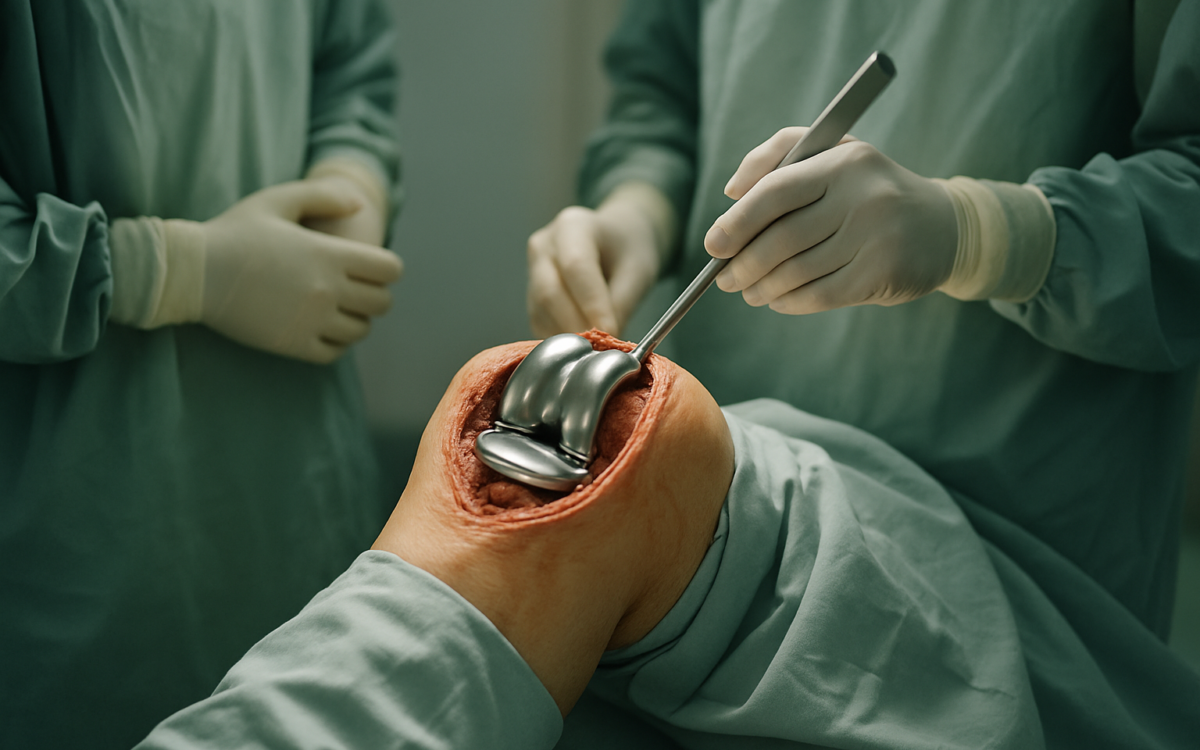
When knee pain becomes unbearable, many people consider a knee replacement operation. This surgical procedure can dramatically improve mobility and quality of life. But, like any surgery, it requires careful deliberation. In this article, we discuss the reasons for knee replacement, the different types of operations, recovery expectations, and how to determine if the procedure is right for you.
Why Consider a Knee Replacement?
For many individuals, knee pain is a persistent issue stemming from conditions like osteoarthritis, rheumatoid arthritis, or injury. Over time, this pain can become chronic, limiting everyday activities.
A knee replacement operation aims to relieve pain and restore function. According to the National Institutes of Health, more than 750,000 knee replacements are performed annually in the United States. It’s crucial to weigh the benefits and the risks associated with the procedure.
Types of Knee Replacement Operations
There are two main types of knee replacement surgeries: total and partial.
Total Knee Replacement
Total knee replacement involves removing damaged cartilage and bone from the knee joint and replacing them with artificial parts. This option is best suited for patients with widespread knee damage and loss of cartilage.
Partial Knee Replacement
Partial knee replacement is a less invasive option. Only the damaged part of the knee is replaced, allowing for a quicker recovery time. This option is ideal for patients with localized damage.
The Surgical Procedure
Depending on the type of surgery, a knee replacement operation typically lasts about 1 to 2 hours. Patients are usually placed under general anesthesia or spinal anesthesia. Here’s a rough overview of the procedure:
- Preparation: Before surgery, you’ll undergo a thorough evaluation, which may include imaging tests and consultations.
- Incision: The surgeon makes an incision on the knee to access the joint.
- Removing Damaged Tissue: Damaged cartilage and bone are removed.
- Inserting the Implant: The artificial knee (prosthesis) is then installed.
- Closure: The incision is closed, and a sterile bandage is applied.
Recovery Process
Recovery from a knee replacement operation varies, but most patients stay in the hospital for one to three days. Here’s what to expect:
Immediate Post-Operative Care
In the initial days after surgery, you’ll be monitored for pain management and any complications. Physical therapy usually begins just a day or two post-surgery. You’ll learn exercises to strengthen your knee and regain mobility.
Long-Term Recovery
Full recovery can take anywhere from a few weeks to several months. Factors that may influence recovery include your general health, age, and adherence to rehabilitation protocols.
Physical therapy plays a vital role in your recovery. Many patients experience increased knee strength and range of motion after a successful rehabilitation program. Engaging in low-impact exercises, like swimming and cycling, can also help.
Risks and Complications
No surgery is without risks, and knee replacement operations are no exception. Potential complications include:
- Infection
- Blood clots
- Implant failure
- Continued pain or stiffness
Before proceeding with the operation, discuss these risks with your doctor. The benefits of improved mobility and pain relief often outweigh the risks for many individuals.
When to See a Doctor
If you experience persistent knee pain that interferes with daily activities, consult your doctor. Symptoms to watch out for include:
- Inability to bend or straighten your knee
- Stiffness or swelling
- Persistent pain with everyday activities
Early evaluation can help determine if you are a candidate for knee replacement or if other treatment options may be suitable.
Conclusion
A knee replacement operation can significantly improve your quality of life, helping to restore mobility and ease pain. As with any surgery, thorough research and discussions with your healthcare provider are essential. Remember, understanding the process and setting realistic recovery expectations can lead to a smoother journey towards regaining your active lifestyle.
