
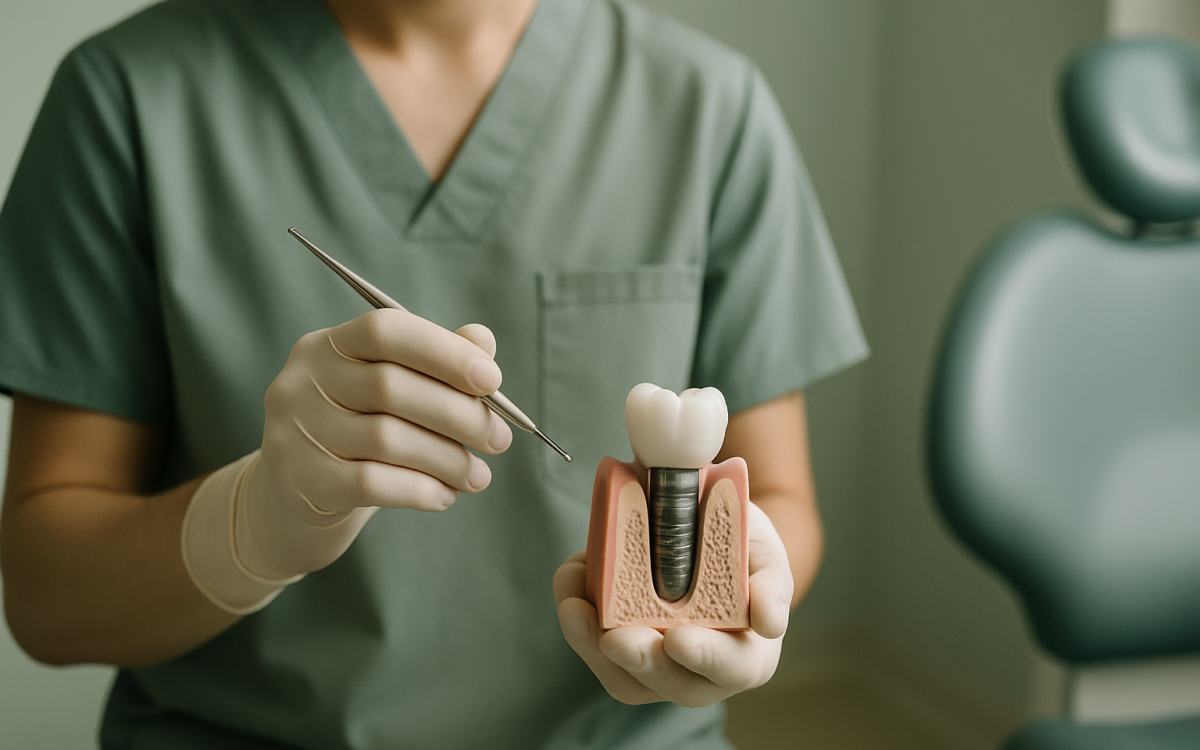
Dental implants are a popular solution for replacing missing teeth. If you’re considering getting implants, it’s essential to understand what type of dentist provides this service. Various specialists can help, each with their unique skills and training. Knowing who to consult can pave the way for a smooth implant experience and excellent oral health.
What Are Dental Implants?
Dental implants are artificial tooth roots made of biocompatible materials, like titanium, designed to support a replacement tooth or bridge. They provide a strong foundation for these restorations and have many benefits, such as improved chewing ability, enhanced appearance, and increased comfort compared to traditional dentures. According to the NIH, dental implants have a high success rate and can last for many years with proper care.
Types of Dental Specialists
When considering dental implants, several types of dental professionals may be involved in your care. Understanding their roles can help you make informed decisions.
General Dentists
Some general dentists offer dental implant services. They typically undergo specialized training to perform the procedure. If your general dentist is experienced in implants, they might handle the entire process, from assessing your dental health to placing the implant.
Oral Surgeons
Oral and maxillofacial surgeons specialize in surgical procedures involving the face, mouth, and jaw. They are well-equipped to handle complex cases, including bone grafts and patients with significant oral issues. If you need surgery to prepare your jaw for implants, an oral surgeon will likely be your best option. The Mayo Clinic highlights that oral surgeons often work closely with other dental specialists to provide comprehensive care.
Periodontists
Periodontists focus on the gums and supporting structures of the teeth. They are trained to treat gum disease and may be crucial in the planning phase for implants. If you have a history of gum problems, seeing a periodontist before getting implants is wise. They can ensure your gum health is optimal for successful implantation.
Prosthodontists
Prosthodontists specialize in creating prosthetic devices, which include dental implants. They focus on restoring the aesthetics and functionality of the mouth. If you’re looking to replace multiple teeth or need a particular type of dental restoration after implant placement, a prosthodontist can provide tailored solutions to meet your needs.
Choosing the Right Specialist for You
When choosing a dentist for implants, consider the following factors:
- Experience: Look for dentists or specialists who have substantial experience placing implants.
- Credentials: Ensure they are licensed and board-certified in their respective specialties.
- Patient Reviews: Reading about other patients’ experiences can give you insight into the quality of care.
- Technology: Modern dental technology can improve accuracy and comfort. Find a clinician who uses the latest approaches.
The Implant Process
The process of getting dental implants typically involves several stages:
Initial Consultation
Your journey will begin with an initial consultation. During this visit, the dentist will evaluate your overall health, perform X-rays, and assess your jawbone’s condition. This step is crucial in determining if you’re a suitable candidate for implants.
Surgical Placement
If you are deemed a good candidate, the dentist will schedule the surgical placement of the implant. This minor surgery involves inserting the metal post into your jawbone. After surgery, a healing phase will occur, often lasting several months as the bone fuses with the implant.
Abutment Placement
Once healed, an abutment is placed on the implant. This will hold the crown (the artificial tooth). Some dentists may place the crown during the initial surgery.
Crown Attachment
Finally, the artificial crown is attached to the abutment. After this, you’ll enjoy a fully functional tooth that looks and feels natural.
Aftercare for Implants
<pAfter the completion of the dental implant procedure, proper oral hygiene is crucial for the longevity of your new teeth. Here are some best practices:
- Brush twice a day and floss daily, just like natural teeth.
- Regularly visit your dentist for check-ups and cleanings.
- Avoid hard foods that could damage the implant.
- Stay vigilant for any signs of gum infection or implant failure, such as swelling or pain.
When to See a Doctor
If you’re experiencing pain, swelling, or other concerning symptoms after receiving an implant, consult your dentist promptly. It’s also essential to contact them if you have any questions or concerns at any point in the process.
Conclusion
Finding the right dentist for your dental implants is vital to ensuring a successful outcome. Whether you choose a general dentist, an oral surgeon, a periodontist, or a prosthodontist, each type of specialist brings unique skills to the table. Understanding their roles can help you navigate your implant journey with confidence. Always remember to consult a qualified dental professional to discuss your options and ensure you get the best care possible.
