
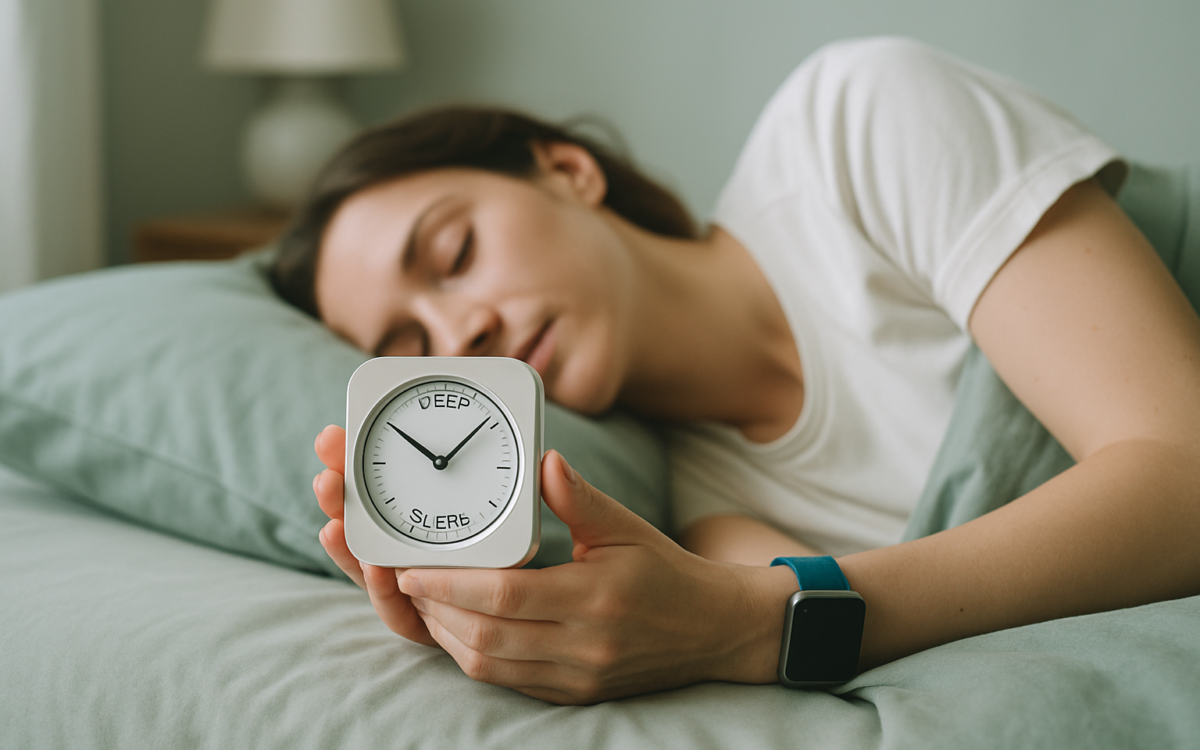
Deep sleep plays a vital role in our overall well-being. It is during this stage of sleep that our bodies repair themselves, our brains process information, and we wake up refreshed and ready for the day. Unfortunately, many people struggle with getting enough deep sleep. If you find yourself tossing and turning at night or waking up feeling groggy, you’re not alone. Fortunately, there are numerous strategies you can implement to improve the quality of your deep sleep.
Understanding Deep Sleep
Before diving into solutions, it’s important to understand what deep sleep is. Deep sleep, also known as slow-wave sleep (SWS), typically occurs in the first half of the night. It is characterized by low brain activity and is crucial for physical restoration and memory consolidation. Deep sleep makes up about 13-23% of our total sleep time in a healthy adult and is essential for both mental and physical health (NIH).
Optimize Your Sleep Environment
The first step to improving your deep sleep is creating an optimal sleep environment. Here are some key aspects to consider:
- Control the Temperature: Experts recommend keeping your room cool, around 60-67°F (15-19°C). A cooler environment helps lower your body temperature, signaling that it’s time to sleep.
- Limit Noise: Small noises can wake you up or keep you from reaching deep sleep. Consider using earplugs, a white noise machine, or soothing sounds.
- Darken the Room: Light can interfere with your sleep cycle. Blackout curtains or an eye mask can enhance darkness and promote deep sleep.
- Comfortable Bedding: Invest in a good quality mattress and pillows that suit your sleeping style.
Establish a Relaxing Bedtime Routine
A consistent bedtime routine signals to your body that it is time to wind down. Here are some tips to create a relaxing atmosphere:
- Avoid Screens: Try to avoid screens (phones, tablets, TV) at least 1 hour before bed. The blue light emitted by electronic devices can disrupt your body’s melatonin production.
- Practice Relaxation Techniques: Activities such as deep breathing, meditation, or gentle yoga can help calm your mind and prepare your body for sleep.
- Read a Book: Choose something light and enjoyable. This can help divert your mind from daily stressors.
- Limit Fluid Intake: Reducing liquid consumption in the evening can minimize disruptions from nighttime bathroom trips.
Watch Your Diet
Your diet plays a significant role in the quality of your sleep. Here are some dietary tips to consider:
- Avoid Heavy Meals Before Bed: Eating large or spicy meals late in the evening can lead to discomfort and nightmares, preventing deep sleep.
- Limit Caffeine and Nicotine: Both substances are stimulants that can reduce your ability to fall into deep sleep. Aim to stop consuming them at least 4-6 hours before bedtime.
- Incorporate Sleep-Promoting Foods: Foods rich in magnesium, such as almonds and spinach, or those that contain tryptophan, like turkey, can promote better sleep.
Stay Active During the Day
Regular physical activity can significantly boost the quality of your deep sleep. Here’s how exercise affects sleep:
- Exercise Improves Sleep Quality: Engaging in physical activity helps reduce stress, anxiety, and depression, which can hinder sleep. Aim for at least 30 minutes of moderate exercise most days.
- Timing Matters: Try to schedule workouts earlier in the day. Exercising too close to bedtime may energize you and make it harder to fall asleep.
- Consider Gentle Exercises: Activities like walking or yoga in the evening can help gently prepare your body for rest.
Manage Stress and Anxiety
High stress levels and anxiety can wreak havoc on your sleep quality. Here are some strategies to help manage these feelings:
- Practice Mindfulness: Techniques such as meditation can help calm your mind and ease anxiety, making it easier to enter deep sleep.
- Journaling: Writing down your thoughts and worries before bed can help clear your mind.
- Consult with Professionals: If stress and anxiety feel overwhelming, speaking to a counselor or therapist can provide valuable coping tools.
When to See a Doctor
If you regularly struggle to achieve deep sleep or experience excessive daytime sleepiness, it may be time to consult a healthcare professional. You could be dealing with a sleep disorder such as sleep apnea or insomnia, which requires medical intervention. Your doctor can help assess your symptoms and recommend appropriate treatments or lifestyle changes.
In conclusion, deep sleep is crucial for your overall health and well-being. By creating a conducive sleep environment, establishing a calming bedtime routine, paying attention to your diet, staying active during the day, and managing stress, you can improve the quality of your deep sleep. Incorporate these strategies gradually and notice how they impact your sleep quality. Remember, if sleep troubles persist, don’t hesitate to reach out to a healthcare professional for personalized guidance.
