
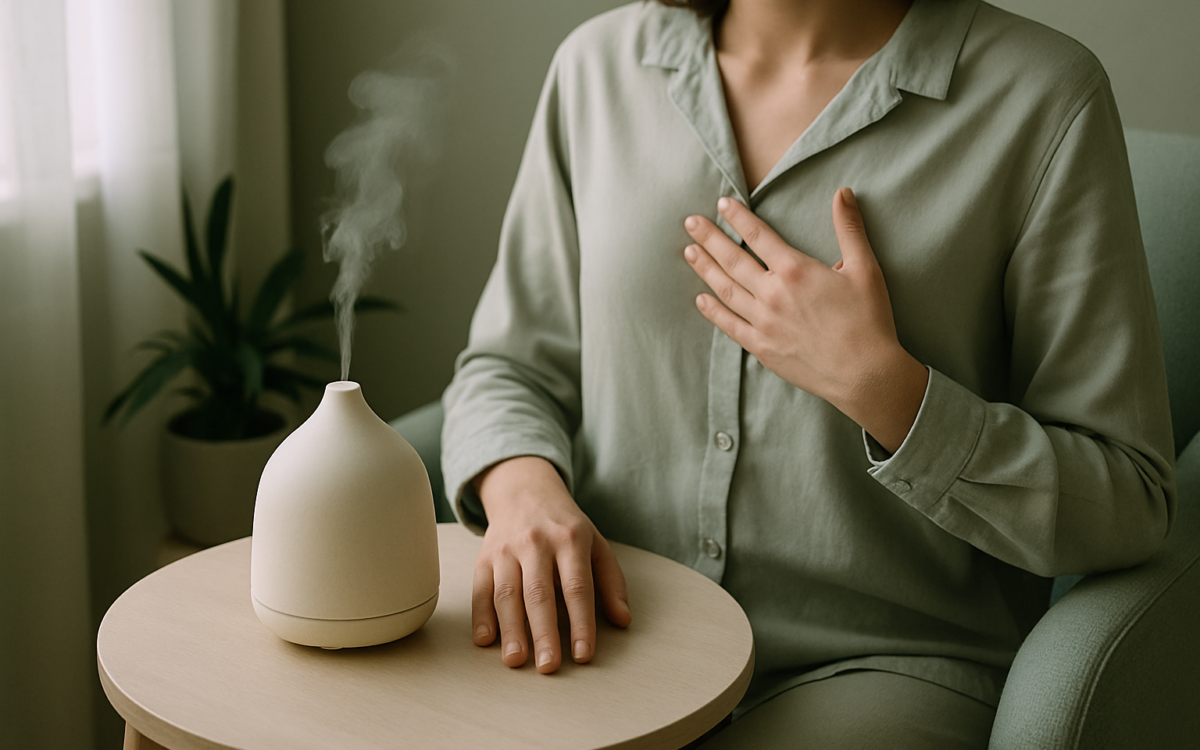
Life can sometimes feel overwhelming, filled with responsibilities, deadlines, and unexpected challenges. Stress is a common reaction to these pressures, but too much stress can take a toll on your mental and physical health. Fortunately, there are effective ways to manage and reduce stress that can help you regain control and find a sense of calm.
Understanding Stress
Stress is a natural response to challenging situations. When we encounter stressors, our body activates its fight-or-flight response, releasing hormones like adrenaline and cortisol. While stress can motivate us to complete tasks or meet deadlines, chronic stress can lead to serious health issues, including anxiety, depression, heart disease, and even diabetes. To effectively fight stress, it helps to understand what triggers it and how it manifests in our bodies.
Healthy Lifestyle Choices
Making positive lifestyle choices can significantly reduce stress levels. Here are some effective strategies:
- Regular Exercise: Physical activity releases endorphins, the body’s natural stress relievers. Aim for at least 30 minutes of moderate exercise most days of the week. Activities such as walking, cycling, or dancing can uplift your mood.
- Balanced Diet: Eating nutritious foods can positively impact your mood and energy levels. Incorporate fruits, vegetables, whole grains, lean proteins, and healthy fats into your diet while limiting processed foods and excess sugars.
- Quality Sleep: A good night’s sleep is crucial for mental health. Aim for 7-9 hours of sleep per night. Establish a calming bedtime routine and create a comfortable sleep environment.
Mindfulness Practices
Mindfulness is the practice of being present and fully engaging with the moment without judgment. Incorporating mindfulness into your routine can significantly reduce stress.
- Meditation: Spend a few minutes each day meditating. Focus on your breath or a calming mantra. Apps like Headspace or Calm can guide you in starting your practice.
- Deep Breathing: Simple deep breathing exercises can help you alleviate immediate stress. Inhale deeply through your nose, hold for a moment, and exhale slowly through your mouth. Repeat this several times.
- Yoga: Yoga combines physical movement, meditation, and breathing exercises. Practicing yoga can help you enhance your flexibility and reduce stress. Consider following online classes or attending a local yoga studio.
Connecting with Others
Social connections are vital for our emotional well-being. Here are ways to strengthen your connections:
- Reach Out: Don’t hesitate to reach out to friends or family members when you feel stressed. Sharing your feelings can provide relief and perspective.
- Join a Support Group: Consider joining a support group where others facing similar challenges can provide encouragement and advice.
- Volunteer: Helping others can provide a sense of purpose and enhance your mood. Look for local opportunities to volunteer your time.
Time Management Techniques
Feeling overwhelmed by a busy schedule is a common source of stress. Consider these time management tips:
- Prioritize Tasks: Make a list of tasks and rank them by priority. Focus on what is essential and break larger projects into smaller, manageable steps.
- Set Boundaries: Learn to say no when your plate is already full. Setting boundaries allows you to manage your commitments better.
- Schedule Breaks: Don’t forget to take regular breaks throughout your day. Short breaks can improve productivity and help you recharge.
Recreational Activities
Engaging in activities you enjoy can be a great stress reliever. Here’s how to make time for leisure:
- Hobbies: Spend time doing things you love, whether it’s gardening, painting, or playing a musical instrument. These activities can provide a much-needed break from daily stressors.
- Nature: Spend time outdoors. Nature has a calming effect on the mind. A walk in the park or hiking can offer relaxation and a fresh perspective.
- Unplug: Take breaks from screens and social media. Limit your time online to avoid information overload and stress.
When to See a Doctor
If you find that stress is becoming unmanageable or leading to symptoms such as chronic anxiety, depression, or physical health problems, it may be time to seek professional help. A healthcare provider can help assess your situation and recommend appropriate treatments.
Conclusion
While stress is a part of everyday life, how we respond to it can make all the difference. By implementing healthy lifestyle choices, practicing mindfulness, connecting with others, managing your time, and engaging in enjoyable activities, you can build resilience and reduce stress effectively. Remember, it’s important to take care of your mental health just as you would your physical health. Take small steps towards a calmer, more balanced life.
