
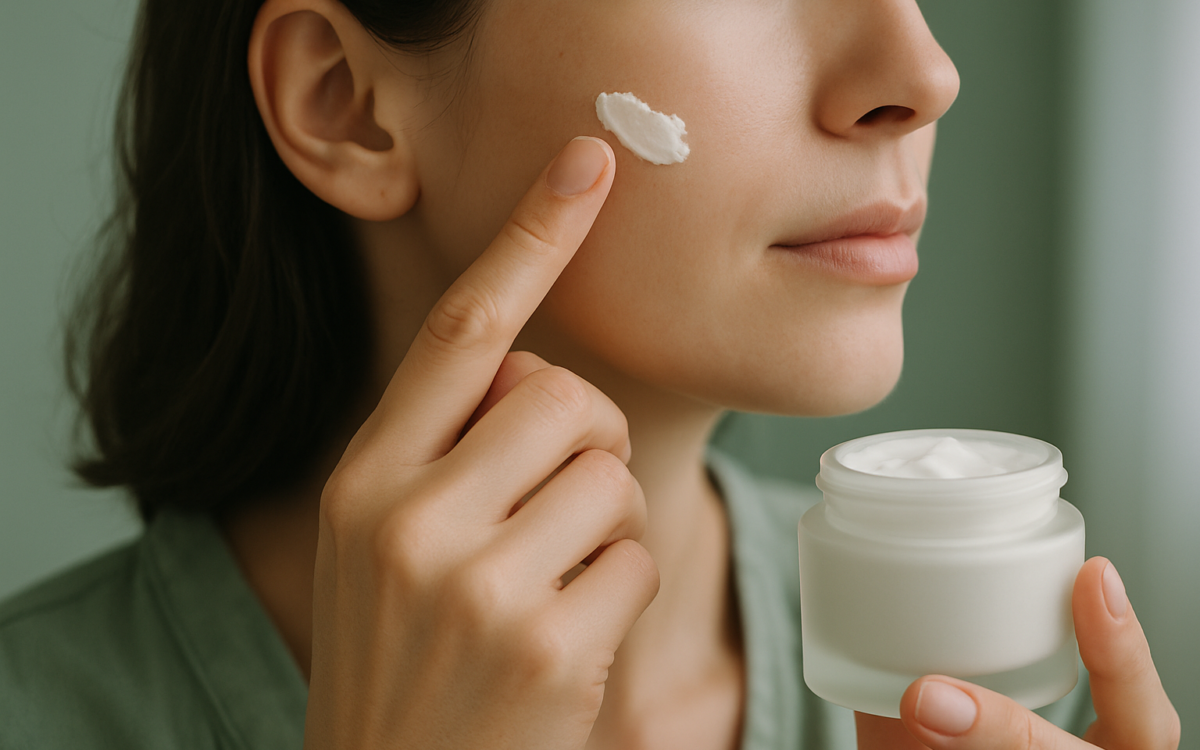
If you’re ever confused about what skincare products to use, you’re not alone! Many people are constantly searching for solutions to maintain clear and healthy skin. One term you might have come across is “non-comedogenic.” This label often appears on moisturizers, makeup, cleansers, and sunscreens, but what does it really mean? Understanding non-comedogenic products can empower you to make better choices for your skin.
What Does Non-Comedogenic Mean?
Non-comedogenic products are specifically formulated to prevent clogged pores. The term “comedone” refers to the clogged pores that can lead to acne. When a product is labeled as non-comedogenic, it means that it won’t cause blackheads or whiteheads when used as directed. This is especially important for people with oily or acne-prone skin, but anyone can benefit from using non-comedogenic products.
The Importance of Ingredients
To understand why non-comedogenic products are beneficial, it’s crucial to look at the ingredients used in skincare and makeup. Many ingredients can clog pores, especially heavy oils and certain waxes. Here are a few common non-comedogenic ingredients that are safe for most skin types:
- Water-based ingredients: Products that use water as a base are often less likely to clog pores.
- Jojoba oil: This oil is known for its lightweight texture and absorptive properties that mimic the skin’s natural oils.
- Salicylic acid: Often used in acne treatments, it helps to exfoliate the inside of pores.
- Glycerin: This humectant draws moisture into the skin without clogging pores.
Always check the ingredient list and look for products that pride themselves on being non-comedogenic.
How to Choose Non-Comedogenic Products
When shopping for skincare or cosmetics, here are some tips to help you make the best choices:
- Read Labels: Look for labels that explicitly say “non-comedogenic” or “oil-free.”
- Check Online Reviews: User reviews can give you insight into how well a product works without clogging pores.
- Understand Your Skin Type: Different skin types have various needs. For example, someone with oily skin might prefer a gel-based moisturizer, while someone with dry skin may need a cream that’s still non-comedogenic.
International patient services often provide guidance on skincare products that are best suited for your unique skin profile, especially if you’re considering treatments abroad. It’s essential to communicate your skin concerns to a skincare professional during your consultation.
How Non-Comedogenic Products Help Your Skin
Using non-comedogenic products can have several benefits for your skin, including:
- Prevention of Acne: By using products that don’t clog your pores, you can reduce the risk of breakouts.
- Improved Skin Texture: These products help to maintain a smoother skin texture without the bumps caused by clogged pores.
- Hydration Without Greasiness: Non-comedogenic moisturizers offer hydration without making your skin feel oily.
Incorporating non-comedogenic products into your skincare routine can help create a balance that promotes clearer skin.
Common Misconceptions About Non-Comedogenic Products
Despite the benefits, there are a few common misconceptions about non-comedogenic products that can lead to confusion:
- All Natural Means Non-Comedogenic: Not all natural ingredients are non-comedogenic! Some natural oils can still clog pores.
- Expensive Products Are Better: Price does not always equal quality. Many affordable non-comedogenic products work just as well as their pricier counterparts.
- If It Doesn’t Break You Out, It’s Non-Comedogenic: Just because a product doesn’t cause immediate breakouts doesn’t mean it’s truly non-comedogenic; it might take time for it to affect your skin.
By educating yourself about these misconceptions, you can make more informed choices for your skin.
When to See a Doctor
If you’re struggling with persistent acne or skin issues despite using non-comedogenic products, it may be time to consult a healthcare provider. Dermatologists can help you identify the root causes of your skin problems and recommend effective treatments or products tailored to your unique needs.
Conclusion
Understanding the importance of non-comedogenic products can empower you to take control of your skincare routine. By being mindful of the ingredients in your cosmetics and skincare, you can maintain clearer, healthier skin. Remember, while non-comedogenic products can help prevent clogged pores and breakouts, it’s always a good idea to consult with a doctor or dermatologist for personalized advice.
