
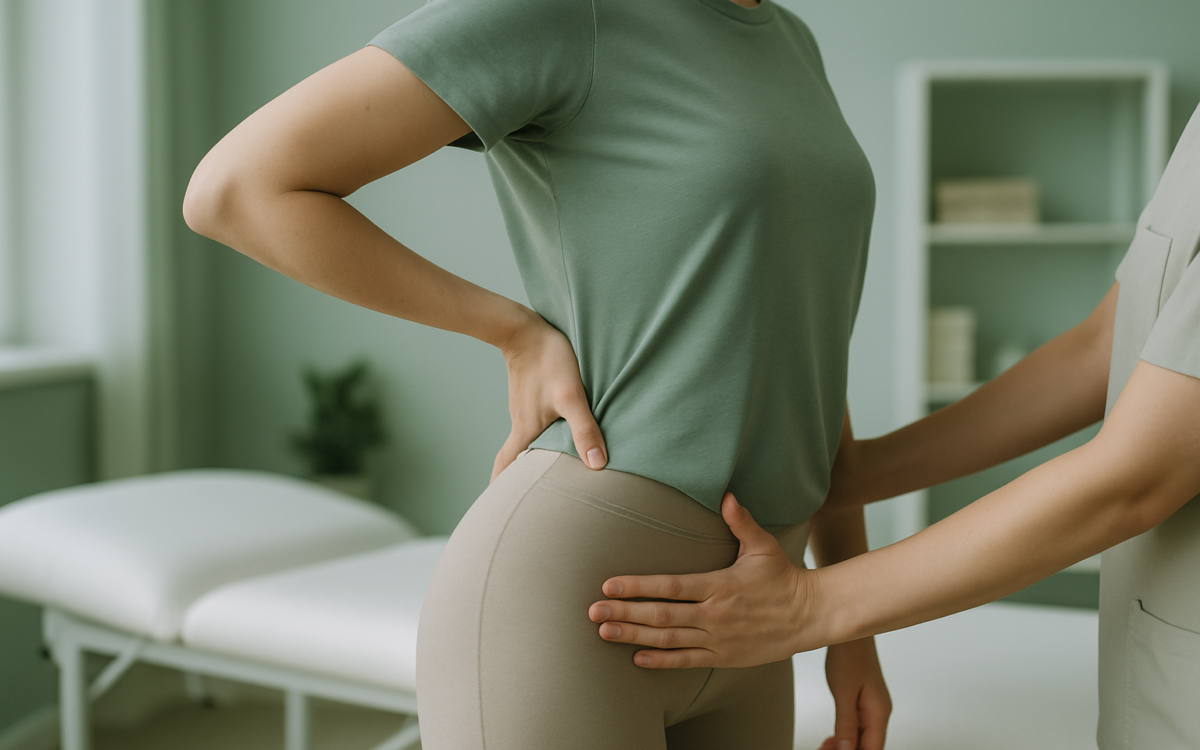
Posterior pelvic tilt sounds technical, but it’s something many of us experience, often without even knowing it. It refers to the way our pelvis tilts backward, influencing body posture and alignment. While it may seem minor, this tilt can significantly affect our daily activities, from how we sit at a desk to how we maintain balance when we’re moving. Understanding posterior pelvic tilt can help in correcting posture and improving overall health.
What Is Posterior Pelvic Tilt?
To grasp the concept of posterior pelvic tilt, it’s helpful to begin with some basic anatomy. The pelvis is a bony structure that connects the spine to the legs. It plays a crucial role in supporting our body’s weight and facilitating movement. When we talk about pelvic tilt, we refer to the positioning of this structure in relation to the spine and other joints in the body.
In a neutral pelvic position, the pelvis sits relatively level. In posterior pelvic tilt, however, the top of the pelvis tilts backward. This movement causes the lower back to flatten and the upper back to arch slightly. When this occurs, it can lead to misalignment in the spine and contribute to various musculoskeletal issues.
Causes of Posterior Pelvic Tilt
Several factors contribute to posterior pelvic tilt, including:
- Muscle Imbalances: Weakness in certain muscles and tightness in others can create a pull that results in this tilt. For instance, the hamstrings might be tight, while the hip flexors may be weak.
- Sedentary Lifestyle: Sitting for prolonged periods can lead to muscle tightness in the hip area and weaken supporting muscles, promoting poor pelvic positioning.
- Injury or Trauma: Past injuries to the lower back or pelvis can alter muscle strength, affecting pelvic alignment.
Effects on Posture and Health
Posterior pelvic tilt can lead to various complications, primarily regarding posture. When the pelvis is not aligned correctly, it can cause:
- Lower Back Pain: The flattening of the lower back might lead to discomfort and pain due to unusual strain on spinal structures.
- Reduced Mobility: Poor pelvic alignment can affect balance and coordination, making it harder to engage in physical activities.
- Increased Risk of Injury: When the body is out of alignment, it often compensates in ways that can cause strain, possibly leading to injuries over time.
Maintaining good posture through awareness of pelvic tilt is essential for overall health. Evidence suggests that addressing muscular imbalances can help restore proper alignment, reducing discomfort and enhancing physical function (source: NIH).
Exercises to Address Posterior Pelvic Tilt
Fortunately, exercises can help tip the balance back in favor of a neutral pelvis. Here are a few that can improve posture and strengthen the necessary muscles:
1. Pelvic Tilts
Pelvic tilts are straightforward and can be done lying on your back:
- Lie on your back with your knees bent and feet flat on the floor.
- Gently engage your abdominal muscles and press your lower back into the floor.
- Hold for a few seconds, relax, and then repeat for 10-15 repetitions.
2. Bridges
This exercise strengthens the glutes and helps counteract tight hip flexors:
- Lie on your back with knees bent and feet flat.
- Lift your hips toward the ceiling, squeezing your glutes at the top.
- Lower back to the floor and repeat for 10-15 repetitions.
3. Hip Flexor Stretch
Stretching the hip flexors can relieve tension and promote better alignment:
- Step one foot forward into a lunge position.
- Gently lower your hips, keeping your back straight.
- Hold for 20-30 seconds and switch sides.
Tips for Improving Posture in Daily Life
In addition to exercises, there are several lifestyle adjustments you can make to promote better pelvic alignment:
- Be Mindful of Sitting: Use ergonomic chairs that support your lower back and practice sitting up straight. Your feet should be flat on the floor.
- Frequent Breaks: If you work at a desk, take short breaks to stand, stretch, and move around.
- Strengthen Core Muscles: Engage in activities that strengthen your core, which helps stabilize your pelvis.
When to See a Doctor
If you experience persistent pain, discomfort, or mobility issues that you believe may be linked to posterior pelvic tilt, it is essential to consult a healthcare professional. They can assess your situation and recommend appropriate interventions, such as therapy or further evaluation.
Conclusion
Posterior pelvic tilt may sound complex, but understanding it can significantly enhance your overall well-being. Recognizing the causes and effects, coupled with practical exercises and daily adjustments, can help you maintain a healthier posture. By keeping your pelvis aligned, you invest in your long-term health and vitality. Always remember, if you have concerns about pain or misalignment, reach out to a healthcare provider for personalized guidance.
