
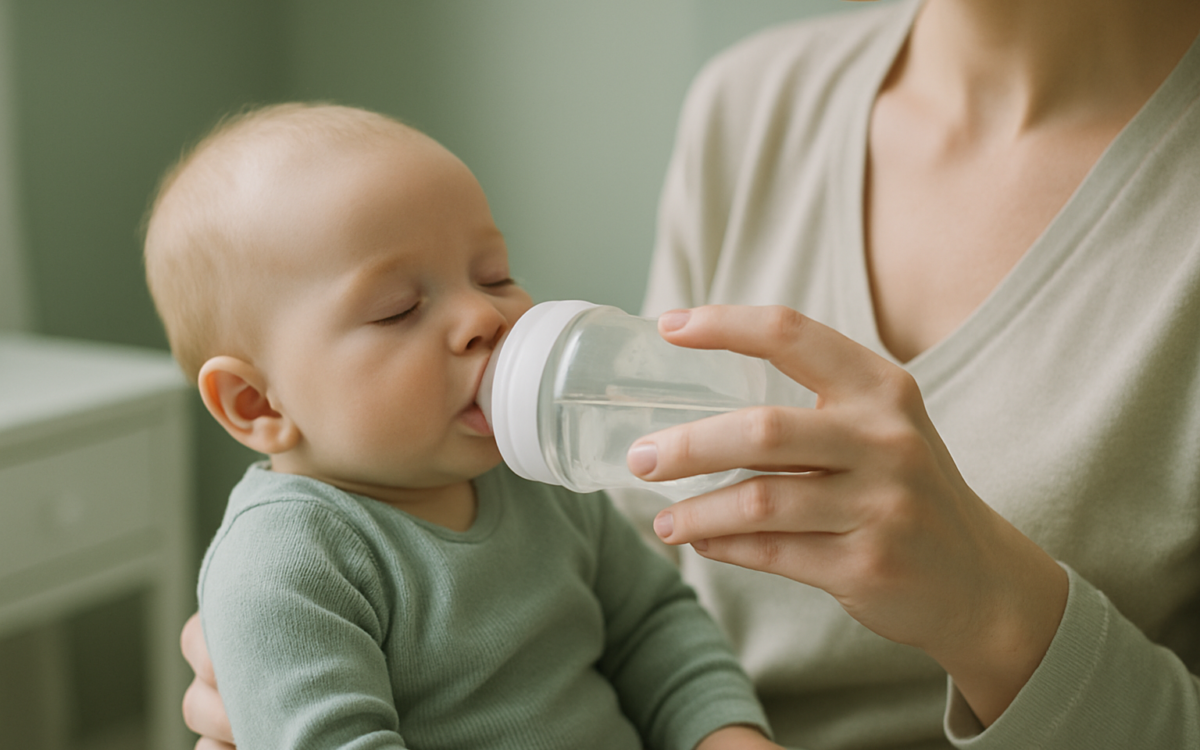
The early days of parenthood are filled with countless decisions, from feeding to sleeping arrangements. One topic that often puzzles new parents is when and how to introduce water into their baby’s diet. While hydration is crucial for healthy growth and development, it’s important to know the right time and method to do so. Let’s explore the ins and outs of giving water to your baby.
Understanding Your Baby’s Hydration Needs
Babies are unique when it comes to hydration. In their first six months, most babies get all the hydration they need through breast milk or formula. This liquid gold is not only nourishing but also full of water. According to the CDC, exclusively breastfeeding or formula-feeding provides adequate hydration unless your baby is sick or in an extremely hot environment.
When Can You Start Giving Water to Your Baby?
Experts generally recommend introducing small amounts of water only after your baby reaches six months of age. This is when solid foods are typically introduced into their diet. The World Health Organization (WHO) suggests that starting water too early can interfere with a baby’s ability to absorb the nutrients found in breast milk or formula.
How to Introduce Water to Your Baby
Once your baby is ready, introducing water can be done in a safe and gradual manner. Here are some tips:
- Start Small: Begin with just a few sips of water to gauge your baby’s interest.
- Use a Sippy Cup: A sippy cup can make drinking water fun and easier to handle for small hands.
- Be Consistent: Offer water regularly throughout the day but don’t force it; let your baby guide the process.
It’s also a good idea to encourage your baby to drink water during hot weather or after being active, especially as they become more mobile.
Choosing the Right Water for Your Baby
When selecting water for your baby, it’s vital to consider quality. Tap water in the U.S. is typically safe, but you may want to check whether your local water supply is free of contaminants. If you’re unsure, using filtered or purified water can be a good alternative. When offering water:
- Avoid Mineral Water: High mineral content can be harmful to infants.
- Temperature Matters: Some babies prefer their water at room temperature or slightly warm.
Always consult your pediatrician for specific recommendations about water safety based on your local water quality.
Signs of Dehydration in Infants
Being aware of dehydration signs is crucial, especially during hot weather when babies may sweat more or refuse to eat. Some common signs include:
- Fewer wet diapers (less than 6 in a day)
- Dry mouth or lips
- Lethargy or irritability
- Sunken eyes or soft spot on the head
If you notice any of these signs, it’s important to see your pediatrician for advice on managing your baby’s hydration.
When to See a Doctor
While introducing water is generally safe, there are times when it’s necessary to consult your doctor:
- If your baby shows signs of dehydration as mentioned above.
- If your baby is under six months and exhibits symptoms of dehydration.
- If your baby refuses to drink water consistently or appears uninterested.
Your pediatrician can provide tailored advice based on your baby’s health and development.
Balancing Water Intake with Solid Foods
As your baby transitions to more solid foods, their hydration needs will change. It’s essential to maintain a balance between offering water and ensuring they still get adequate nutrients from breast milk or formula. Offer water during meals or between snacks to promote hydration without removing their appetite for essential nutrients.
In conclusion, water is a key part of a balanced diet but timing and method are critical. Start introducing water after six months, choose the right type, and watch closely for signs of dehydration. As always, consult your healthcare provider with any concerns or questions about your baby’s hydration needs.
