
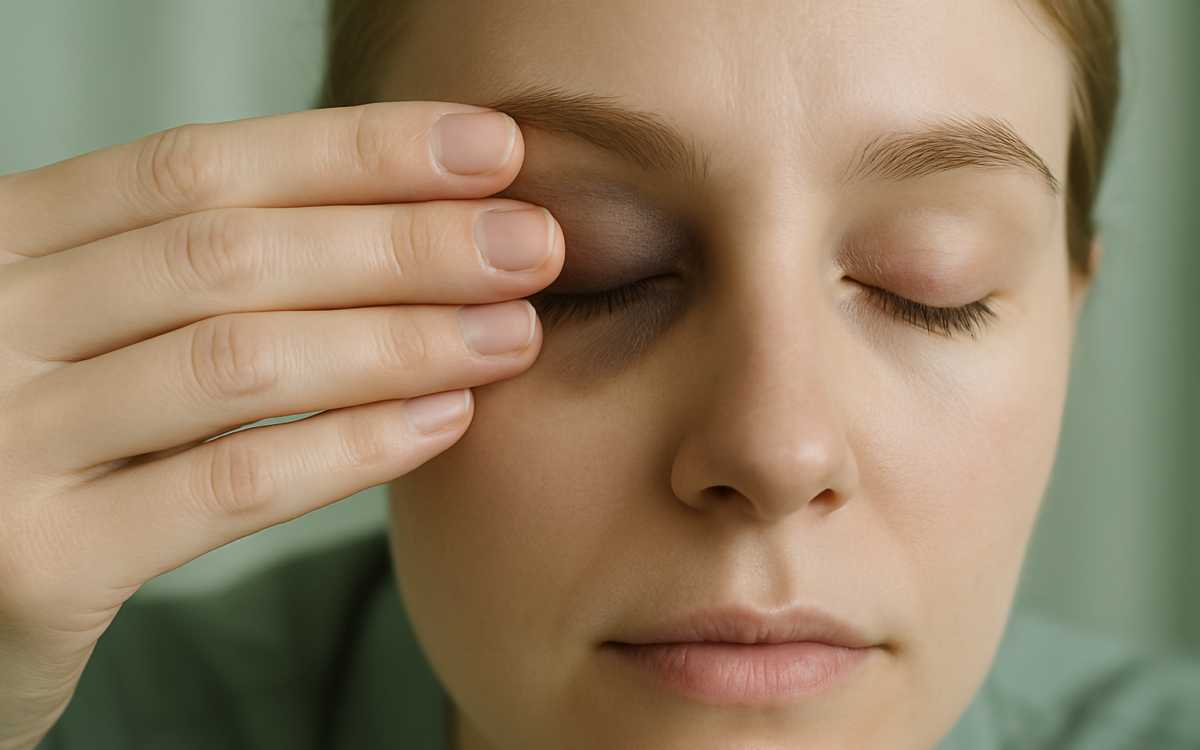
Eyelid blackening, or the darkening of the skin around the eyes, is a common concern that many people experience at some point in their lives. While it can be alarming, understanding the underlying causes can lead to effective solutions. This article explores the reasons behind eyelid blackening, its potential treatments, and when it’s important to seek medical advice.
What Causes Eyelid Blackening?
The skin around the eyes is uniquely thin and sensitive, making it more susceptible to various factors that can lead to discoloration. Here are some common causes of eyelid blackening:
- Genetics: A family history of dark circles can increase your likelihood of experiencing similar pigmentation.
- Allergies and Irritation: Seasonal allergies or reactions to skincare products can inflame the skin, leading to discolored eyelids.
- Sun Exposure: Prolonged exposure to sunlight can result in increased pigmentation in the skin, including the delicate area around the eyes.
- Lifestyle Factors: Lack of sleep, poor diet, and stress can contribute to paler skin, making dark pigmentation more visible.
- Health Conditions: Certain conditions, such as eczema or hyperpigmentation disorders, might cause darkening of the eyelids.
Different Types of Eyelid Blackening
Understanding the nature of eyelid blackening is essential for identification and treatment. Eyelid blackening can differ in terms of texture, color, and cause. Here are a few types:
- Acquired Hyperpigmentation: This results from factors such as sun exposure or inflammation, leading to darkened eyelids over time.
- Congenital Melanosis: Some individuals may have naturally darker eyelids from birth due to melanin deposition.
- Periorbital Dark Circles: Often related to fatigue and aging, these can manifest as dark circles under the eyes, giving a shadowed appearance.
Treatment Options for Eyelid Blackening
While eyelid blackening might not always require medical intervention, several treatment options can reduce visibility and improve skin appearance. These include:
- Topical Creams: Creams with ingredients like hydroquinone, tretinoin, or vitamin C can help lighten dark areas over time.
- Fillers: Injectable fillers may create a more even appearance by addressing volume loss that contributes to shadowing.
- Laser Therapy: Procedures such as fractional laser or intense pulsed light therapy can target pigmentation for more severe cases.
- Sun Protection: Regular use of sunscreen, particularly designed for the face, can prevent further darkening due to UV exposure.
- Allergy Treatments: For those whose dark eyelids are allergy-related, antihistamines or specific allergy treatments may help restore normal skin tone.
International Perspectives on Treatment
For individuals seeking treatments beyond local options, international facilities offer various advanced treatments for eyelid blackening. Many countries have developed specialized clinics that focus on dermatology and aesthetic procedures. For example, acibademinternational.com provides comprehensive resources for individuals considering aesthetic treatments abroad. Such international options may include state-of-the-art technologies and innovative techniques that could be unavailable in some regions.
Home Remedies for Eyelid Blackening
In addition to medical treatments, several home remedies may offer mild relief for eyelid blackening:
- Cold Compress: Applying a cold compress can reduce inflammation, helping to lessen the appearance of dark circles.
- Cucumber Slices: Placing cucumber slices on the eyes can provide a soothing effect and reduce puffiness.
- Almond Oil: Gently massaging the under-eye area with almond oil may help with hydration and improve the appearance of dark eyelids.
When to See a Doctor
If you notice sudden changes in the color of your eyelids, it is essential to consult a healthcare provider. Consider visiting a doctor if:
- The darkening persists despite self-care efforts.
- You experience other symptoms, such as swelling or itching.
- You have a history of skin conditions affecting pigmentation.
Conclusion
Eyelid blackening can be a cosmetic concern that affects many individuals. By understanding the causes and treatment options available, you can take informed steps toward improving the appearance of your eyelids. While home remedies might provide some relief, seeking professional advice is essential for more persistent cases. Remember, knowledge is key to addressing any health concern, including changes in pigmentation around the eyes.
