
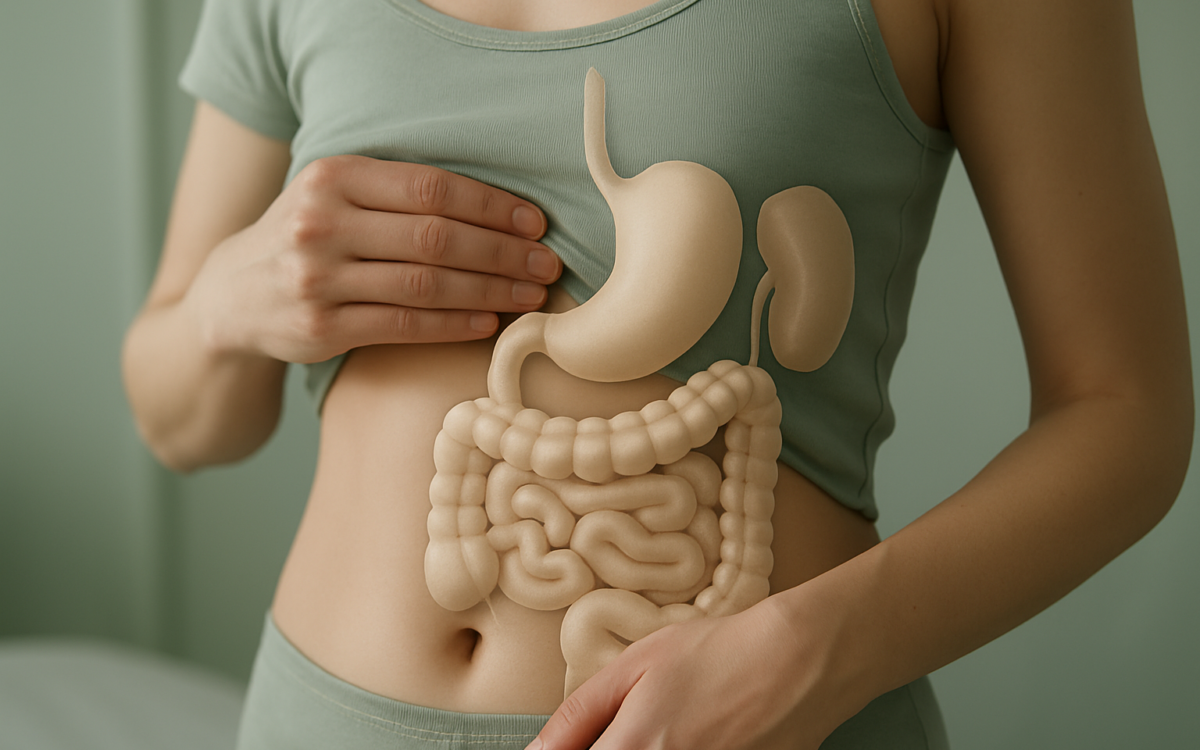
Many of us may not think about it, but the human body is a complex system with organs placed strategically throughout. The left side of your body houses several essential organs that perform vital functions. Understanding these organs can help us appreciate our bodies better and recognize when something might be wrong. Let’s explore the various organs found on the left side of your body and what roles they play in your overall health.
The Spleen: A Key Player in Immunity
The spleen is an important organ located in the upper left quadrant of your abdomen. It plays a crucial role in your immune system by filtering blood and helping your body fight infections. It stores white blood cells and is responsible for the production of antibodies. The spleen also helps dispose of old or damaged red blood cells, maintaining a healthy balance in your bloodstream. According to the National Institutes of Health, the spleen is an organ that can be affected by various health conditions, which might necessitate removal in certain cases.
The Stomach: The Digestive Hub
Just below your ribcage on the left side is your stomach, a key organ in your digestive system. The stomach’s primary function is to break down food into a semi-liquid form to aid digestion. It uses gastric juices that are filled with enzymes and acids to help in this process. Understanding your stomach’s functions can give insight into digestive issues. Many people experience common conditions like acid reflux or gastritis, making it important to pay attention to any stomach pains or discomfort.
The Left Kidney: A Pair of Filters
Your left kidney resides in the lower left quadrant of your abdomen. Kidneys are vital for filtering waste from your blood, balancing electrolytes, and regulating blood pressure. They also produce hormones that help control blood pressure and make red blood cells. According to the National Kidney Foundation, maintaining kidney health is important, as kidney diseases can lead to serious complications if not managed properly. Symptoms such as lower back pain or changes in urination may indicate a need for medical evaluation.
The Pancreas: An Essential Gland
Though primarily situated in the middle of your abdomen, the pancreas extends toward the left side. It has both endocrine and exocrine functions. The endocrine part produces hormones like insulin, which regulates blood sugar levels, while the exocrine part releases enzymes that assist in digesting fats, proteins, and carbohydrates. Issues with the pancreas can lead to conditions such as diabetes or pancreatitis, which may cause severe abdominal pain and other health concerns.
The Heart: More than Just a Pump
Your heart, while centered in your chest, has a slight leftward tilt and extends into the left side of your thoracic cavity. It is responsible for pumping blood throughout the body and supplying oxygen to your organs and tissues. Heart disease can manifest in various ways, including chest pain, shortness of breath, or fatigue. Understanding how the heart works can help you recognize signs of distress, making it crucial to pay attention to your cardiovascular health and discuss any concerns with your doctor.
The Left Lung: Breathing Easy
The left lung is slightly smaller than the right lung because it shares space with the heart. Each lung is made up of lobes; the left lung has two lobes, while the right lung has three. The primary function of the lungs is to facilitate the exchange of oxygen and carbon dioxide during the breathing process. Conditions affecting the lungs, such as pneumonia or asthma, can lead to shortness of breath or coughing, emphasizing the importance of lung health.
When to See a Doctor
Understanding the organs located on your left side is key to recognizing when something may be amiss. If you experience symptoms like severe abdominal pain, persistent back pain, unexplained weight loss, or any changes in appetite, it’s important to consult a doctor. Regular check-ups and being attentive to your body can help identify issues early on and ensure your organs remain healthy.
In conclusion, the left side of your body plays host to several vital organs, each with specific functions that contribute to your overall health. By understanding the roles of these organs, you can be more aware of your body and proactive about your health. Remember, any new or concerning symptoms should prompt a conversation with your healthcare provider, as early detection and treatment are key to good health.
