
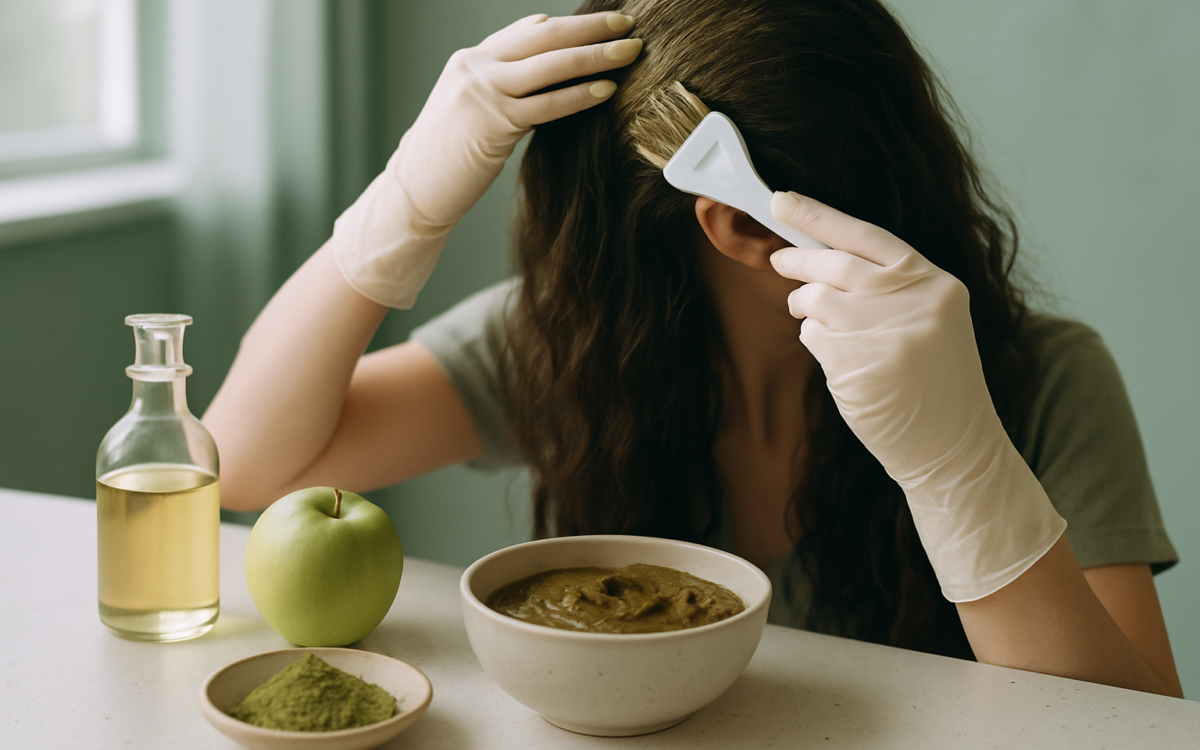
For many people, hair dye is a fun way to express creativity and change their look. However, traditional hair dyes often contain harsh chemicals that can irritate the skin, damage hair, or even have health risks if used frequently. Fortunately, there are natural hair dye options available that offer a safer and gentler alternative. In this article, we’ll explore what natural hair dyes are, how they work, and some popular options you might consider.
What is natural hair dye?
Natural hair dye is derived from plants, minerals, or other naturally occurring substances instead of synthetic chemicals. These dyes typically lack ammonia, parabens, and other harsh additives, which makes them appealing to those seeking a healthier, eco-friendly option. Some common ingredients used in natural hair dyes include:
- Henna: Derived from the Lawsonia inermis plant, henna not only colors hair but also conditions it.
- Brazilian nut oil: This can enrich darker shades and enhance shine while nourishing hair.
- Beet juice: Often used for reddish hues.
- Chamomile: A lighter option that can brighten blonde hair.
Each of these ingredients provides a unique way to color hair while nourishing its health.
Benefits of natural hair dye
Natural hair dyes come with several benefits that make them an attractive choice for many individuals:
- Reduced risk of allergic reactions: Natural dyes generally have fewer irritants, decreasing the likelihood of allergic responses.
- Safer for your hair: They are generally gentler, helping to maintain hair health and shine.
- Easier cleanup: If spills happen, natural dyes often wash out more easily than chemical counterparts.
- Eco-friendly: They are made from sustainable and biodegradable materials, making them a better choice for the environment.
However, it is essential to note that results can vary significantly based on the natural dye used and the original hair color.
Popular natural hair dye options
Here are some effective natural hair dyes you might consider:
Henna
Henna is probably the most well-known natural hair dye. It imparts a rich reddish-brown color and can also condition your hair, leaving it shiny and healthy. To use henna, you typically mix the powder with water to form a paste, apply it to clean hair, and let it sit for a few hours. Rinse thoroughly to remove the paste.
Indigo
Indigo can produce a deep blue or black color when combined with henna. Many people choose to first dye their hair with henna for a reddish tint, then apply indigo to achieve darker shades. Always remember to do a strand test first!
Coffee or tea
For a more subtle color change, brewed coffee or tea can be used. Coffee works well for dark brown shades, while tea can lighten hair or enhance golden tones. Brew as normal, cool it down, and apply to damp hair. Let it sit for at least an hour before rinsing.
Beet juice
This option is great for those wanting to achieve vibrant red tones. Simply juice beets and apply the liquid directly to your hair. Wrap your hair in plastic and leave it for about an hour before rinsing.
How to apply natural hair dye safely
Applying natural hair dye isn’t significantly different from using commercial dyes. However, here are some recommendations:
- Perform a patch test: Even natural ingredients can cause allergic reactions in some individuals. Test a small area of skin before applying the dye fully.
- Prepare your hair: Ensure your hair is clean and dry before application. Avoid using conditioner just before applying dye, as it can affect color uptake.
- Follow instructions precisely: Each natural dye has its specific methods and timings. Be sure to follow these for optimal results.
- Use gloves: Natural dyes can still stain hands and surfaces, so wearing gloves is a good idea during application.
Proper application ensures better color results and minimizes the risk of irritation.
Limitations of natural hair dye
While natural hair dyes have many advantages, they also come with some limitations:
- Lesser color variety: You might not find as wide a spectrum of colors compared to synthetic options.
- Temporary results: Many natural dyes fade faster than chemical dyes, requiring more frequent touch-ups.
- Counterintuitive outcomes: The results can differ based on your natural hair color and condition, so a strand test is crucial.
Being aware of these limitations helps manage your expectations effectively.
When to see a doctor
If you experience any severe allergic reactions, such as redness, itching, or swelling after using natural hair dye, it’s essential to consult a healthcare provider. Furthermore, if you have sensitive skin or underlying health conditions, discussing your plans with a doctor before dyeing your hair is wise.
Natural alternatives to chemical hair dyes can provide beautiful results while being gentle on your hair and scalp. With various options and techniques available, anyone can find a suitable method for coloring their hair naturally. Just bear in mind the benefits, limitations, and safety measures involved in using such products. Happy coloring!
