
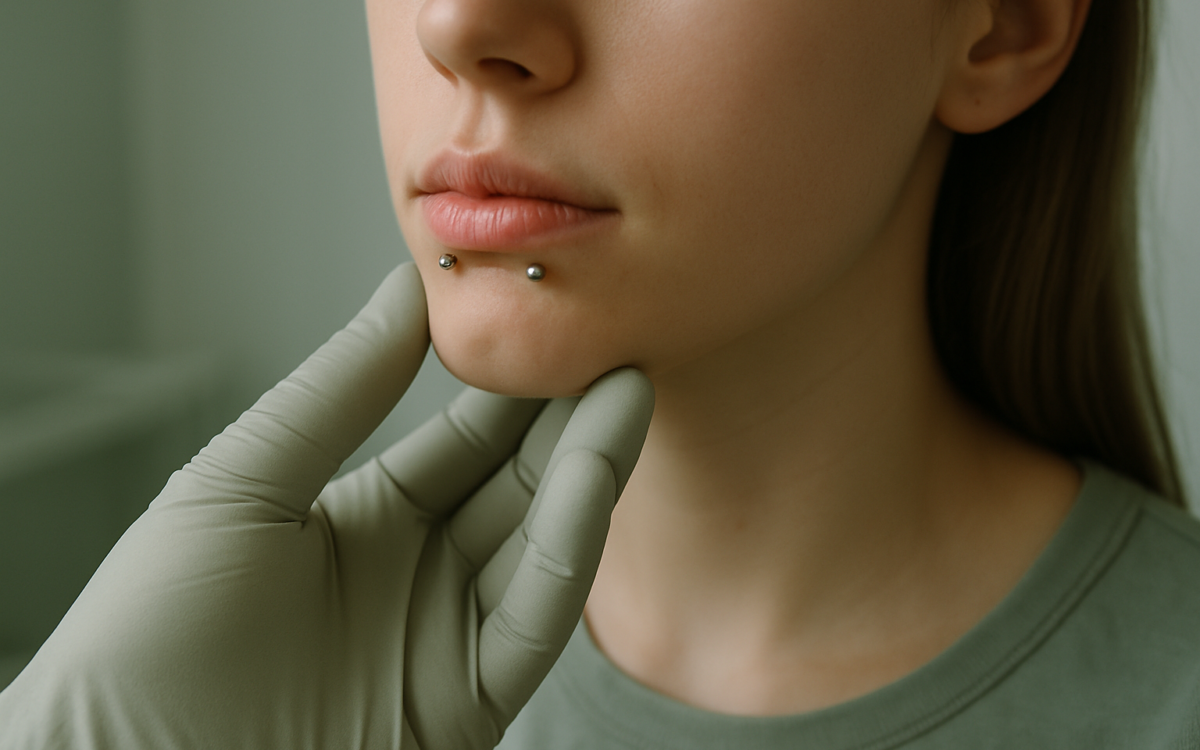
In the realm of body art, few styles command as much attention and intrigue as snakebite piercings. This unique type of oral piercing involves two holes in the lower lip, typically symmetrically placed, resembling the striking bite marks of a snake. Many people choose this piercing for its striking aesthetic and the way it can enhance personal style. However, like all body modifications, snakebite piercings come with their own set of responsibilities regarding care and potential risks.
What Is a Snakebite Piercing?
A snakebite piercing is not just one piercing but a pair of piercings located on the lower lip. The name evokes images of a snake’s bite, reflecting the dual punctures on either side of the lip. The piercings can be adorned with various types of jewelry, including studs, rings, or barbells, allowing for personal expression. While many people find snakebite piercings aesthetically pleasing and bold, they also require careful consideration and proper aftercare.
Benefits of Snakebite Piercings
Expressive Style: One of the main attractions of snakebite piercings is their striking visual impact. They serve as a canvas for personal expression, complementing various styles—from edgy to understated. Having two piercings adds symmetry and a unique flair that can enhance facial features.
The Versatility of Jewelry: With snakebite piercings, you have a vast selection of jewelry options. From classic studs to flashy hoops, the possibilities are endless. You can change the jewelry based on your mood, outfit, or occasion, keeping your look fresh and exciting.
Community and Identity: Body modifications like snakebite piercings often create a sense of belonging within certain communities. For many, these piercings represent a lifestyle choice or an identity, connecting them with others who share similar values and aesthetics.
Potential Risks and Complications
As appealing as snakebite piercings may be, they do come with some risks that individuals should be aware of:
- Infection: The mouth is home to a variety of bacteria, making oral piercings particularly susceptible to infections. Signs of infection can include redness, swelling, and pus around the piercing site.
- Allergic Reactions: Some individuals may experience an allergic reaction to the metal in the jewelry, particularly if the metal contains nickel or other allergens.
- Dental Issues: Jewelry can potentially damage gums and teeth. Potential complications may arise if the piercing jewelry rubs against teeth or if it becomes loose and injures the gums.
- Scarring: Like any piercing, the risk of scarring is present, especially if there is an infection or if the jewelry is removed suddenly.
Aftercare for Snakebite Piercings
Proper aftercare is essential to prevent infection and promote healing. Here are some key guidelines for maintaining the health of your snakebite piercings:
- Keep It Clean: Clean the area around the piercings twice daily with saline solution or a prescribed antiseptic. Avoid using alcohol or hydrogen peroxide, which can irritate the skin.
- Avoid Certain Foods: For the first few weeks, steer clear of hard, spicy, or salty foods to minimize irritation. Soft foods can help reduce discomfort as they are less likely to disturb the piercing.
- Practice Good Oral Hygiene: Maintain excellent oral hygiene to reduce bacteria in the mouth. Rinsing your mouth with an alcohol-free mouthwash after meals can help keep the area clean.
- Be Mindful of Jewelry: Avoid changing your jewelry until the piercings are completely healed, usually within 6 to 8 weeks. Consult a professional piercer regarding the best types of jewelry to use.
Considerations for International Patients
As the popularity of snakebite piercings continues to grow, many individuals seek to have them done abroad, often for aesthetic or cultural reasons. If you’re considering getting a snakebite piercing while traveling, ensure that the studio is reputable and that the piercer adheres to strict hygiene practices. It’s also essential to be aware of how to care for the piercings in different climates and environments. For those seeking guidance on international care options, resources like international patient services can provide valuable insights.
When to See a Doctor
While many people experience successful healing from snakebite piercings, it’s important to be aware of when to seek medical attention. Consider consulting a doctor if you notice:
- Increased redness, swelling, or heat around the piercing
- Pus or a foul odor emanating from the site
- Severe pain that doesn’t improve with time
- Fever, which may indicate an underlying infection
Conclusion
Snakebite piercings can be a stunning and expressive form of body art. However, it’s crucial to approach them with knowledge and care. By understanding the benefits and risks, adhering to proper aftercare protocols, and being aware of the signs of complications, you can enjoy your snakebite piercings safely and confidently. Remember, your health and safety always come first, so don’t hesitate to consult a professional if you have any concerns.
