
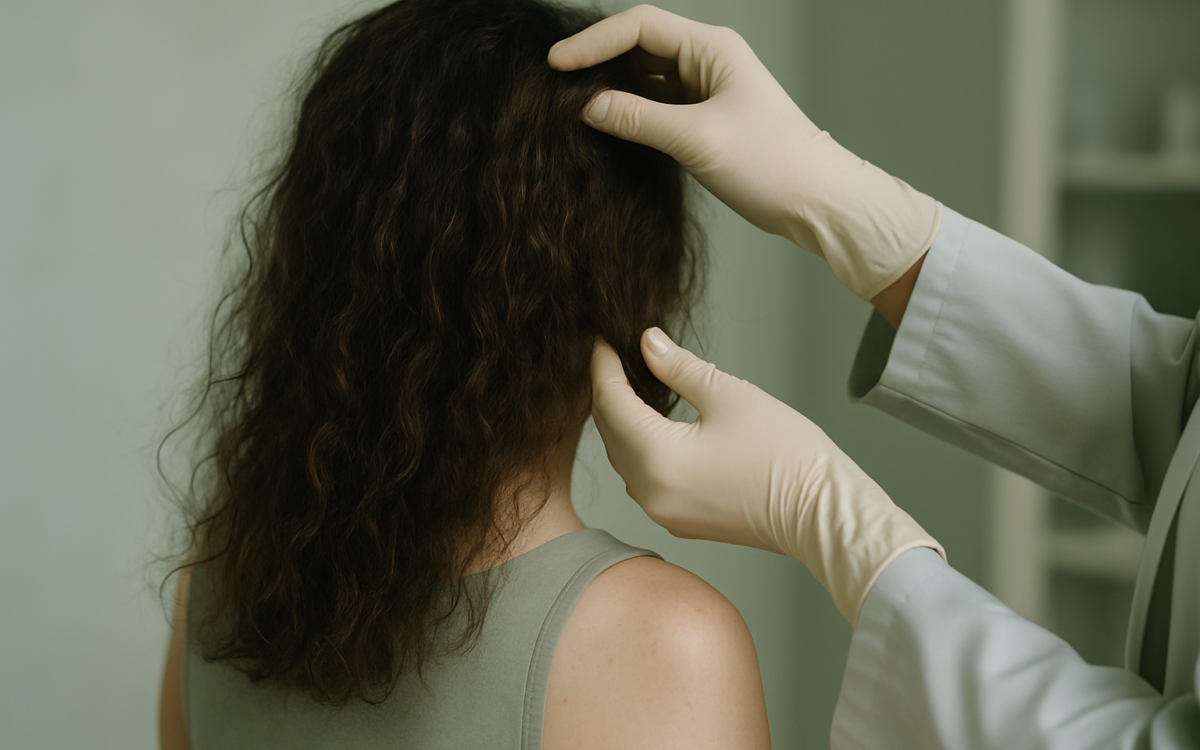
Are you one of those people who has thick, coarse hair that seems to have a life of its own? While coarse hair can often be a stunning feature, it can also come with its own set of challenges. Understanding the characteristics of coarse hair, its causes, and how to care for it can help you embrace your unique texture and keep your hair looking its best.
What is Coarse Hair?
Coarse hair is typically described as thick, sturdy strands that have a rougher texture compared to fine or medium hair types. This type of hair is usually more resilient and can withstand a lot more styling and manipulation. A common trait of coarse hair is its capacity to hold its shape, making it easier to style into updos or waves. However, it can also be more prone to dryness and frizz if not cared for properly.
Causes of Coarse Hair
The texture of your hair is primarily determined by genetics. If you have parents or grandparents with coarse hair, it’s likely that you may inherit their hair type. Beyond genetics, several factors can contribute to the coarseness of hair:
- Environmental factors: Exposure to harsh weather conditions such as sun, wind, and humidity can affect the texture of your hair.
- Heat styling: Excessive use of heat styling tools can damage your hair, giving it a coarser feel over time.
- Chemical treatments: Hair coloring, perms, and straightening treatments can alter your hair texture and lead to coarse strands.
- Health conditions: Hormonal imbalances, such as those that occur during pregnancy or menopause, can also affect hair texture.
Caring for Coarse Hair
Caring for coarse hair is essential to maintain its health and vibrancy. Here are some effective tips to ensure your coarse locks remain luscious:
Hydration is Key
Coarse hair often tends to be drier than other hair types, so hydration is crucial. Use moisturizing shampoos and conditioners designed specifically for dry hair. Look for products rich in natural oils such as argan, coconut, or olive oil, which help retain moisture.
Limit Heat Exposure
If you frequently style your hair using heat tools, make sure to use a heat protectant spray. Whenever possible, let your hair air dry to prevent further drying and potential damage. When you must use heat, opt for the lowest settings.
Regular Trimming
Regular trims can help reduce split ends, which can make coarse hair look frizzy and unkempt. Aim for a trim every 6 to 8 weeks to keep your ends healthy.
Styling Tips for Coarse Hair
Coarse hair offers unique styling opportunities. Here are some tips for styling:
- Embrace your natural texture: Curly or wavy coarse hair can be beautiful. Consider using curl creams or texturizing sprays to enhance your natural waves.
- Protective styles: Try braids or updos to prevent breakage and manage frizz. These styles can be great for maintaining moisture.
- Smoothing serums: Incorporating smoothing serums or oils into your routine can help tame frizz and add shine.
Diet and Hair Health
Believe it or not, a balanced diet plays a vital role in your hair health. Nutrients such as proteins, vitamins, and minerals are essential for maintaining healthy hair. Consider incorporating foods rich in:
- Protein: Consuming lean meats, fish, eggs, and legumes can help promote stronger hair.
- Vitamins: Vitamins A, C, D, E, and B-vitamins are critical for overall hair health.
- Healthy fats: Omega-3 fatty acids found in fish and seeds help keep hair moist and healthy.
In some cases, individuals seeking hair improvement might look at options like treatment in Turkey, where various hair care therapies and consultations are available.
Common Myths About Coarse Hair
Several misconceptions about coarse hair can lead to confusion. Here are a few common myths debunked:
- Myth 1: Coarse hair doesn’t need moisture. False. While coarse hair can hold its shape, it typically lacks moisture and needs hydrating products.
- Myth 2: Coarse hair is unmanageable. False. With the right products and care, coarse hair can be easy and enjoyable to style.
- Myth 3: All coarse hair is the same. False. Coarse hair can vary significantly in texture, porosity, and curl pattern.
When to See a Doctor
If you’re experiencing sudden changes in your hair texture or are concerned about excessive hair loss, it’s wise to consult a healthcare professional. Conditions like thyroid disorders, nutritional deficiencies, and scalp issues may require medical attention.
Conclusion
Coarse hair can be beautiful and resilient, but it requires special attention and care. By understanding your hair type and implementing effective hair care strategies, you can enhance and enjoy the beauty of coarse hair. Keep experimenting with products and styles until you find what works best for you!
