
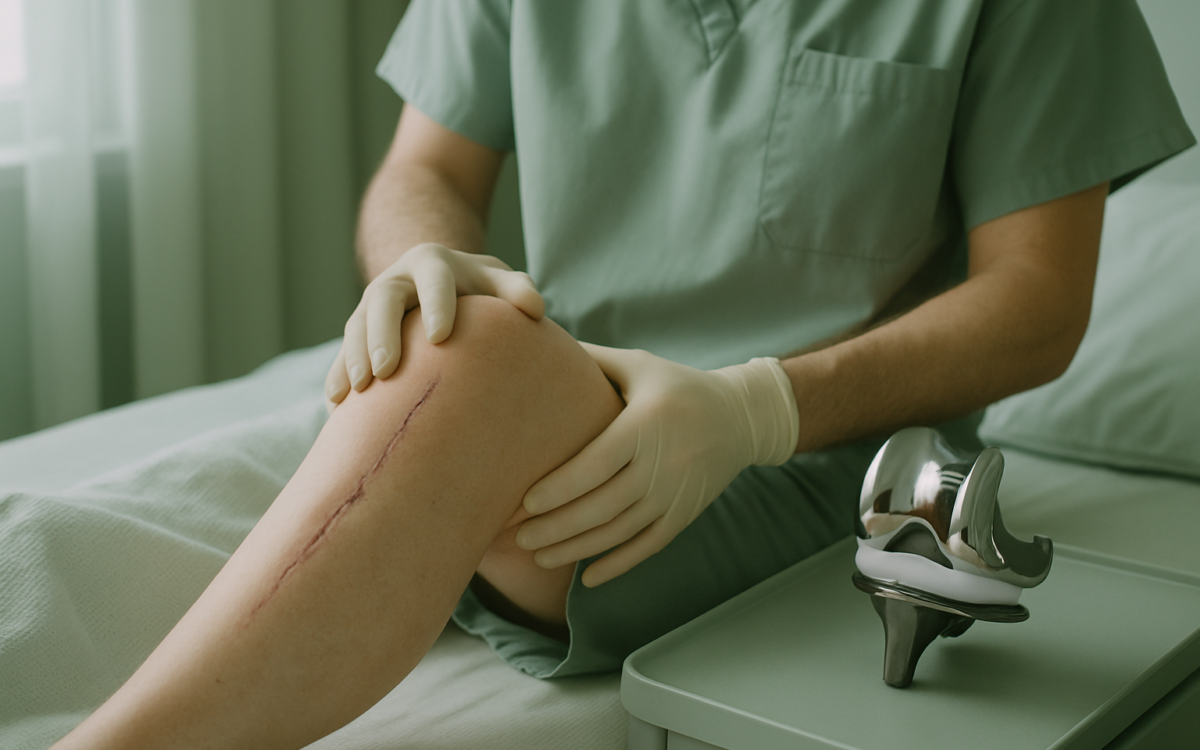
If knee pain affects your daily life and doesn’t respond to medication or therapy, your doctor might suggest total knee arthroplasty. It’s a common surgical procedure, especially among aging adults, aimed at relieving severe arthritis pain and improving mobility. Understanding the process, benefits, and recovery can help patients make informed decisions about their health.
What is total knee arthroplasty?
Total knee arthroplasty, often called knee replacement surgery, involves removing damaged bone and cartilage from the knee joint and replacing it with an artificial joint, made of metal and plastic. This procedure is typically recommended for patients suffering from chronic conditions like osteoarthritis, rheumatoid arthritis, or post-traumatic arthritis.
Who is a candidate for knee replacement?
Candidates for total knee arthroplasty often experience:
- Severe knee pain that affects daily activities
- Stiffness that limits movement
- Swelling and inflammation that persist despite treatment
- Inability to walk or climb stairs without assistance
It is crucial to have a thorough discussion with your healthcare provider to evaluate individual conditions and treatment options. They will assess your age, activity level, weight, and overall health when deciding if you are a suitable candidate for this surgery.
Benefits of total knee arthroplasty
One of the primary goals of total knee arthroplasty is pain reduction. Many patients report significant improvements in their quality of life after the surgery, including:
- Increased mobility and function
- Improved ability to participate in recreational activities
- Reduced reliance on pain medications
Clinical studies have shown that total knee arthroplasty can exceed a 90% success rate when properly indicated, leading to substantial long-term benefits ([National Institutes of Health](https://www.ncbi.nlm.nih.gov/)).
The procedure: What to expect
Total knee arthroplasty typically involves several steps:
- Preoperative Evaluation: Prior to surgery, patients undergo medical evaluations, imaging studies, and discussions about anesthesia options.
- The Surgery: The operation usually takes 1 to 2 hours, performed under general or regional anesthesia. Surgeons make an incision and carefully remove damaged tissues before placing the prosthetic components.
- Postoperative Care: After surgery, patients are monitored in a recovery room for a few hours and may stay in the hospital for 1 to 3 days, depending on their recovery progress.
Recovery and rehabilitation
The recovery from total knee arthroplasty can vary greatly from person to person. Here’s what to expect:
- Initial Recovery: Patients typically begin physical therapy the day after surgery to help regain movement and strength.
- Managing Pain: Pain management is an essential part of recovery. Your doctor may recommend medications or other modalities to minimize discomfort.
- Physical Therapy: Ongoing physical therapy will play a crucial role in recovery, with exercises tailored to enhance mobility and strengthen leg muscles.
Full recovery often takes 3 to 6 months, although some patients may notice improvements sooner. Staying committed to your rehabilitation plan is essential for the best results.
Risks and complications
Like any surgery, total knee arthroplasty carries some risks, including:
- Blood clots
- Infection
- Implant failure or loosening
Discussing these potential risks with your healthcare provider before surgery is essential. They can provide guidance on how to minimize these risks and prepare for the procedure effectively.
When to see a doctor
If you experience persistent knee pain, swelling, or difficulty in performing daily activities, it’s advisable to consult your doctor. They can help determine if total knee arthroplasty or another treatment option is suitable for you. Be proactive in discussing changes in your condition or any concerns about your recovery after surgery with your healthcare provider.
In conclusion, total knee arthroplasty is a significant step toward regaining a more active lifestyle for many patients suffering from debilitating knee conditions. While the decision to undergo surgery should be made carefully, understanding the procedure, its benefits, and the recovery process can help patients feel more prepared and informed. Embrace open communication with your healthcare team for the best outcomes.
