
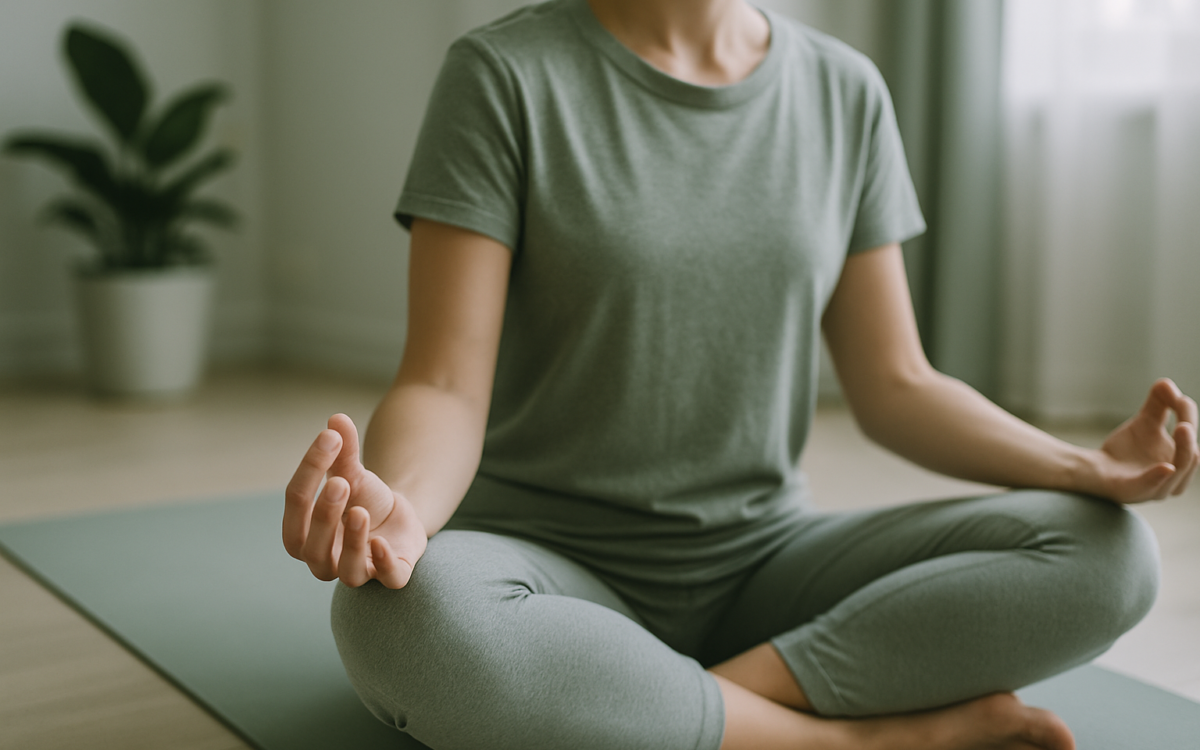
We all experience stress, whether it comes from work, family, or daily responsibilities. Managing stress effectively is crucial for maintaining our mental and physical health. Fortunately, engaging in enjoyable activities can be a powerful way to relieve stress. In this article, we will explore a range of activities that are not only effective but also fun, making stress relief an enjoyable aspect of your daily routine.
1. Get Moving: Physical Activity
One of the most effective ways to relieve stress is through physical activity. Exercise releases endorphins, the body’s natural feel-good hormones, which can lift your mood and reduce stress. Here are some great options:
- Walking or jogging: A brisk 30-minute walk or jog can clear your mind and boost your self-esteem.
- Dancing: Whether it’s a dance class or simply grooving to your favorite tunes at home, dancing is a fantastic way to both express yourself and release stress.
- Yoga: Combining physical movement with breath control, yoga promotes relaxation and mindfulness, making it an excellent way to alleviate stress.
According to the NIH, regular physical activity can significantly improve your mood and reduce anxiety.
2. Connect with Nature
Spending time outdoors can offer a refreshing break from the hustle and bustle of daily life. Nature has been shown to have a calming effect on our minds.
- Gardening: Cultivating plants can be very therapeutic. The act of nurturing living things not only reduces stress but also gives a sense of purpose.
- Hiking: Exploring local trails allows you to disconnect from daily stressors while enjoying fresh air and beautiful scenery.
- Parks and picnics: Simply taking a moment to sit in a park or have a picnic can help you feel more grounded and relaxed.
Research from the World Health Organization suggests that connecting with nature can significantly reduce stress and improve overall mental health.
3. Creative Outlets for Expression
Engaging in creative activities can also provide a much-needed outlet for stress relief. They allow you to express your feelings and let your mind wander.
- Art and crafts: Painting, drawing, or crafting can be incredibly fulfilling and relaxing. Even if you don’t consider yourself an artist, the process is what counts.
- Writing: Keeping a journal or writing poetry can help clarify your thoughts and feelings, which may relieve stress and anxiety.
- Music: Listening to or playing music can evoke emotions and provide a significant release of tension.
Engaging in creative activities can shift your focus away from stressors, promoting a sense of peace and well-being.
4. Mindfulness and Relaxation Techniques
Mindfulness practices are all about being present in the moment, which can help you control overwhelming feelings and reduce stress.
- Meditation: Spending just a few minutes in meditation can help calm your mind and foster relaxation. Try focusing on your breath or using guided meditation apps.
- Deep breathing: Practicing deep breathing techniques can help slow your heart rate and promote a sense of calm.
- Progressive muscle relaxation: This technique involves tensing and then relaxing different muscle groups in your body, promoting physical and mental relaxation.
Mindfulness practices are supported by research from the Mayo Clinic, which highlights their positive impact on reducing stress and anxiety.
5. Cultivating Social Connections
Human connection is vital for mental health, and spending quality time with friends and family can be an effective way to relieve stress.
- Group activities: Join a club or group that interests you. Activities like book clubs, cooking classes, or team sports can foster new friendships and provide support.
- Volunteering: Helping others can boost your mood and give you a sense of accomplishment, making it a win-win for stress relief.
- Quality time: Simply sharing a meal or having a heart-to-heart conversation with someone close can significantly reduce feelings of isolation.
Fostering these connections can help you feel supported and understood, mitigating stress levels.
When to see a doctor
If you find that stress is affecting your daily life or if these activities do not provide relief, it may be beneficial to consult a healthcare professional. Persistent stress can lead to serious health issues, and a doctor can provide guidance on management strategies or recommend further help, such as counseling or therapy.
Engaging in enjoyable activities to relieve stress is essential for your well-being. By exploring different options and finding what works best for you, you can create a self-care routine that helps manage stress effectively.
