
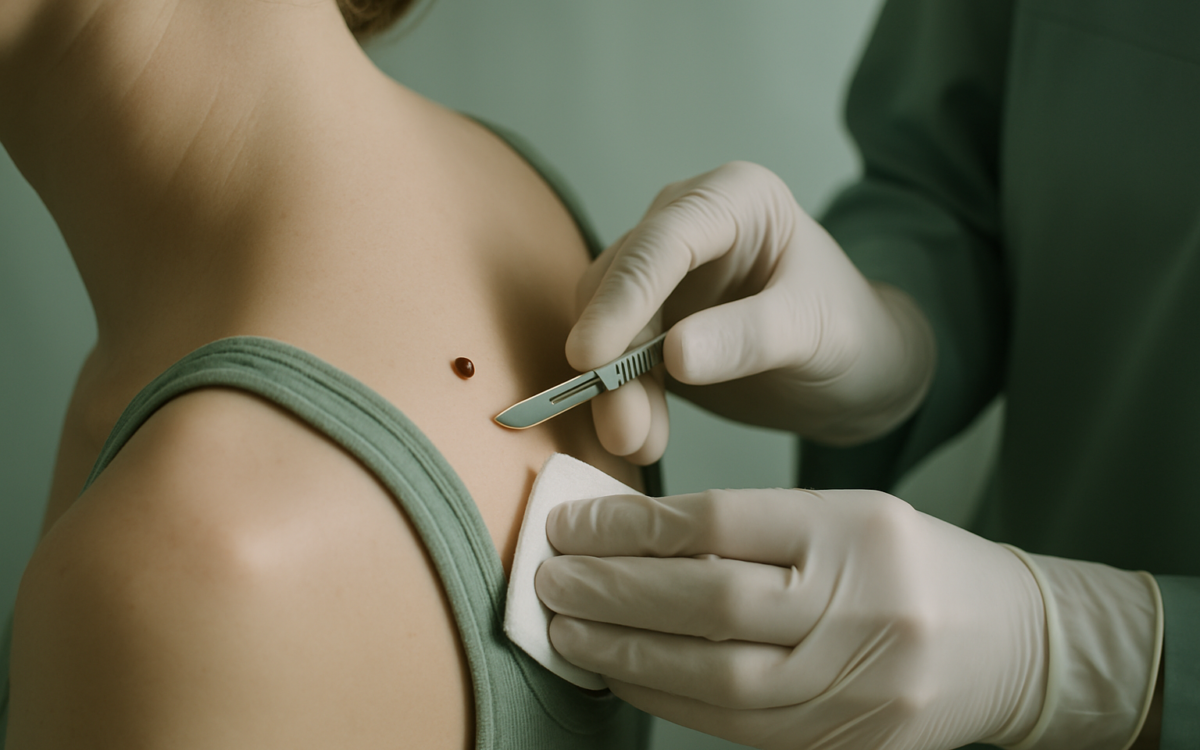
Moles are common skin growths that can appear anywhere on the body. While most moles are benign and pose no health risks, some individuals may choose to remove them for cosmetic reasons or if they change in appearance. Understanding the various methods of mole removal, potential risks, and when to consult a healthcare professional is crucial for a safe and informed experience.
Understanding Moles
Moles, also known as nevi, are clusters of pigment cells (melanocytes) that can vary in color, size, and shape. They can be flat or raised and may appear brown, black, or even skin-colored. Most people have between 10 to 40 moles, and they often appear during childhood or adolescence. While most moles are harmless, keeping an eye on them is important, as changes could indicate potential skin issues.
Reasons for Mole Removal
There are several reasons why someone might consider removing a mole:
- Cosmetic purposes: Many people prefer to have clear skin without prominent moles that might affect their self-esteem.
- Medical reasons: If a mole shows signs of change—growing, bleeding, itching, or changing color—removal may be necessary to rule out skin cancer.
- Location: Some moles can be located in areas that experience friction or irritation, such as under the arms or on the scalp, causing discomfort.
Methods for Removing Moles
Before any removal process, a consultation with a dermatologist is essential to evaluate the mole and discuss the most appropriate treatment options. Here are some common methods:
1. Surgical Excision
Surgical excision involves cutting out the mole along with a small margin of skin around it. This method allows for a complete removal and is often used when there is a concern about the mole being cancerous. The area will be stitched up for healing.
2. Shave Excision
In this method, the dermatologist shaves off the mole at skin level using a surgical blade. It is a quicker procedure, typically used for smaller moles, and may not require stitches. However, there is a chance that some of the mole may remain beneath the skin.
3. Laser Removal
Laser therapy uses focused light beams to break down the pigment in the mole. It is a non-invasive method and minimizes scarring. Laser therapy is usually effective for flat moles or those primarily composed of pigment but is not suitable for all types of moles.
4. Cryotherapy
Cryotherapy involves freezing the mole with liquid nitrogen, causing it to fall off over time. This method works best for small, non-cancerous moles and is usually less painful than other options.
5. Electrosurgery
This technique uses an electric current to burn off the mole. While effective, it may cause some discomfort and can result in scarring, depending on how deep the mole is.
For those considering mole removal abroad, options such as Acibadem International offer various advanced dermatological treatments that can be appealing for international medical travelers.
Preparing for Mole Removal
Once a method is chosen, proper preparation is key:
- Consultation: Discuss any medical history, allergies, or medications with your dermatologist.
- Pre-procedure instructions: Follow any guidelines given by your provider, which might include avoiding certain medications, like blood thinners, before the procedure.
- Ask questions: Understanding the procedure, potential risks, and healing process can ease anxiety.
Aftercare and Recovery
After undergoing mole removal, proper aftercare ensures a smoother recovery:
- Follow care instructions: Keep the area clean and dry, following your doctor’s advice on how to care for the site.
- Watch for signs of infection: Redness, swelling, or pus can indicate infection; contact your doctor if these occur.
- Sun protection: Avoid sun exposure on the healing area, as this can cause pigmentation changes.
When to See a Doctor
If you notice any changes in an existing mole, such as asymmetry, irregular borders, multiple colors, an increase in size, or any unusual symptoms like bleeding or itching, it’s important to consult a dermatologist. Regular skin checks can help catch changes early, potentially leading to better outcomes.
Conclusion
Mole removal can be a straightforward process if approached thoughtfully. Whether for cosmetic reasons or medical necessity, understanding the various removal methods, preparing adequately, and following up on aftercare are essential. If you’re ever in doubt about a mole or its characteristics, consulting with a healthcare professional will ensure you make the safest choices for your skin health.
