
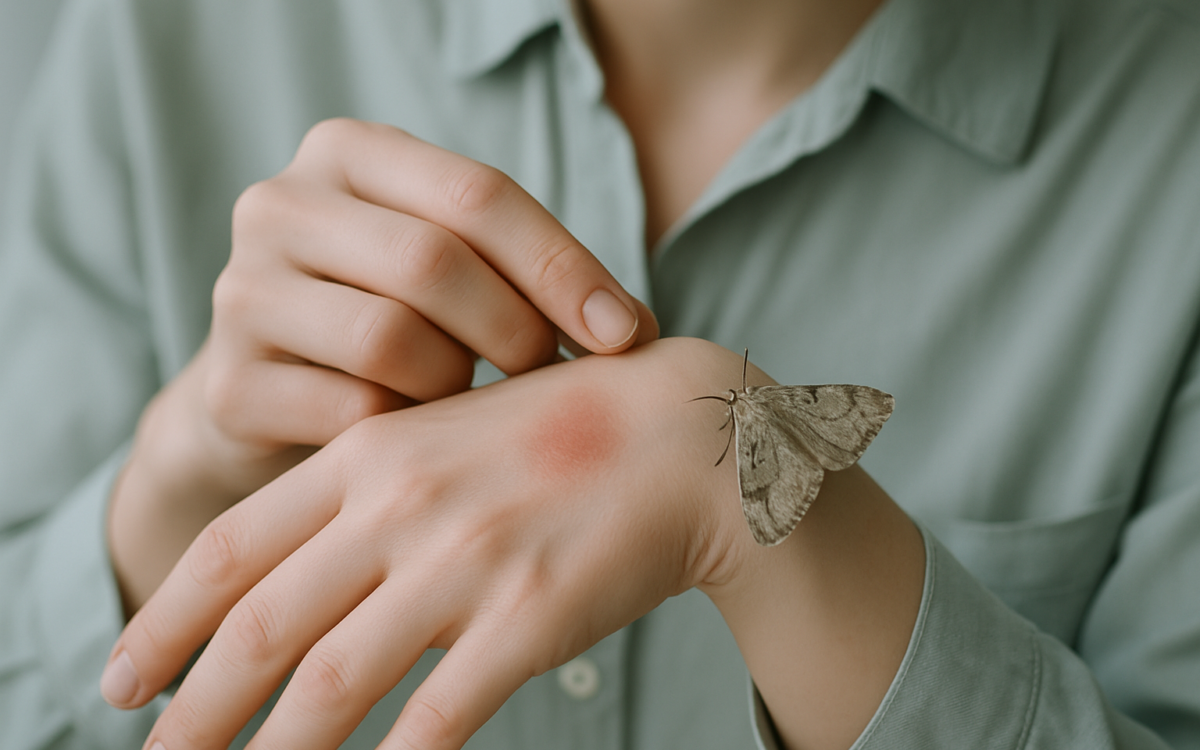
Moths are often misunderstood creatures, known more for their fluttering around lights at night than for their actual behavior. Many people wonder: do moths bite? The short answer is that while most moths do not bite humans, some species can cause harm or discomfort under certain circumstances. In this article, we will explore the nature of moths, clarify the question of biting, discuss potential allergic reactions, and share tips on keeping your home moth-free.
What Are Moths?
Moths are insects that belong to the order Lepidoptera, which also includes butterflies. They are usually nocturnal and are attracted to light, which is why you often see them buzzing around your porch light at night. Moths play a significant role in the ecosystem as pollinators and as a food source for various animals.
There are thousands of moth species, ranging in size, color, and habitat. While many are harmless, some can be considered pests, especially those that feed on fabric, stored food, or crops. Understanding the types of moths can help in identifying whether they might be a nuisance in your home.
Do Moths Bite?
The majority of moths are completely harmless and do not bite. Most moths have non-functional mouthparts and cannot bite humans. They primarily feed on nectar and other natural materials. However, there are a few species, such as the caterpillars of certain moths, that can cause irritation or might bite.
For example, the larvae of the Lonomia obliqua, or giant silkworm moth, have been linked to skin irritation and allergic reactions. Yet, these cases are quite rare. If you find a moth in your home and are concerned about potential bites, it’s important to remember that their primary function is not to harm humans.
Are Moth Bites Dangerous?
If you do experience a bite or irritation that you suspect may be from a moth, it is essential to evaluate the situation. Moth bites are not known to transmit diseases or cause significant health problems like some other insects (such as mosquitoes or ticks). However, some individuals may have allergic reactions to moth or caterpillar secretions, resulting in rashes or skin irritation.
Common symptoms of mild irritation may include:
- Redness
- Swelling
- Itching
- Localized heat
If these symptoms persist or worsen, it is advisable to consult a healthcare professional.
Allergies and Reactions
In addition to bites, some people may experience allergic reactions to moths or their larvae. These reactions can manifest in various forms, such as skin rashes, respiratory issues, or eye irritation. The protein found in moth scales can trigger these responses, particularly in sensitive individuals.
For those traveling or living overseas, there may be unique species of moths that could pose additional risks. For example, if you’re considering treatment in Turkey, it’s wise to be aware of the local moth species and any associated health concerns.
Prevention and Control
Keeping moths away from your living space often involves some simple preventive measures:
- Seal food items: Moths, especially pantry moths, are attracted to stored food products. Ensure your pantry is sealed and items are stored in airtight containers.
- Proper cleaning: Regularly clean your home, focusing on dark corners, closets, and areas where you store clothing. This makes your environment less inviting for moths.
- Use moth repellents: Natural repellents, such as lavender, cedar, or mint, can help deter moths from entering your home.
- Professional pest control: If moths become a significant nuisance, consider reaching out to professionals who can provide effective pest control solutions.
When to See a Doctor
If you notice a persistent rash, swelling, or any signs of an allergic reaction after coming into contact with moths or their larvae, consult your healthcare provider. Additionally, if your home is infested and you experience respiratory symptoms or unusual reactions, seeking professional medical help is important.
Conclusion
In summary, while most moths do not bite and are harmless to humans, it is essential to be aware of their presence and potential for allergic reactions. Understanding these insects can help reduce fear and enhance your home environment. By taking preventive measures, you can enjoy a moth-free living space, allowing you to appreciate the beauty of these creatures from a distance.
