
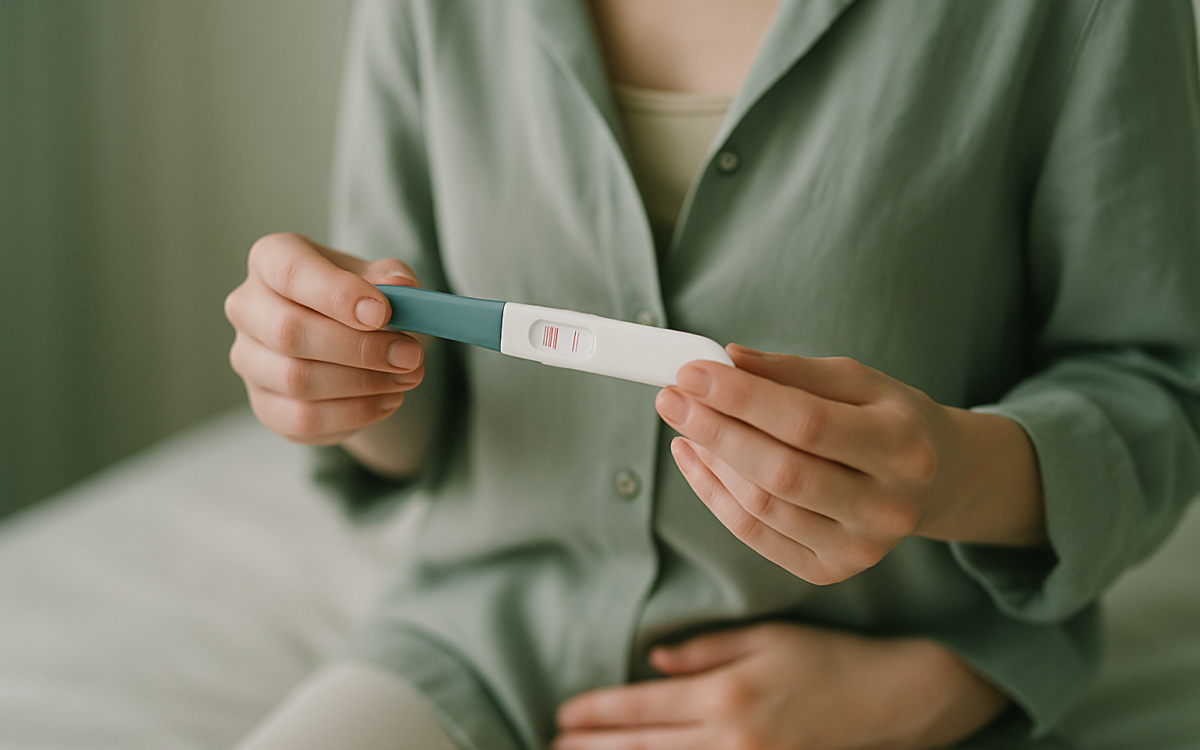
Having your menses arrive late can be a source of worry for many. Whether you were expecting Aunt Flo to show up on schedule and she’s three days late or it’s the first time you’ve noticed a delay, understanding the possible reasons can help ease your mind. Let’s explore some common causes, how they affect your health, and when you might want to consult a doctor.
What Does It Mean When Your Menses Are Late?
When we talk about a late menstrual cycle, we refer to a delay beyond your typical schedule. For many, a regular cycle ranges from 21 to 35 days, with most women having a cycle of about 28 days. If you are usually regular, a delay for three days may not seem like much, but it can raise concerns about your reproductive health.
Common Causes of Late Menses
There are many reasons your period may be late, ranging from normal physiological changes to health concerns. Here are some of the most common factors:
1. Pregnancy
One of the most well-known reasons for a late period is pregnancy. If you are sexually active and your period is late, it might be a good idea to take a home pregnancy test. Early pregnancy tests can be quite reliable, especially if you wait a week after your missed period for more accurate results. If you suspect you are pregnant, consult your healthcare provider for confirmation and guidance.
2. Stress
Modern life often comes with a fair share of stress. Emotional upset, work pressures, or major life changes can affect your hormonal balance, resulting in a delayed cycle. Stress can interfere with the hypothalamus in the brain, which plays a key role in regulating your periods. Finding healthy ways to cope with stress, such as exercise, meditation, or talking to a friend, can also be beneficial.
3. Weight Changes
Significant weight loss or gain can disrupt your menstrual cycle. If you’ve recently changed your diet or increased your level of physical activity, your body might need time to adjust. This can lead to irregular periods or a late cycle. The body requires a certain amount of body fat to produce the hormones that regulate menstruation, so fluctuations in weight can also impact your cycle.
4. Hormonal Imbalances
Conditions such as polycystic ovary syndrome (PCOS) or thyroid disorders can cause hormonal imbalances that lead to missed or delayed periods. These conditions may require medical evaluation and management. If you suspect you have an underlying hormonal issue, it’s important to talk with your doctor.
Other Factors That May Affect Your Cycle
In addition to the reasons mentioned above, there are other less common causes that might contribute to a late period:
- Illness: Chronic illnesses or infections, such as diabetes or thyroid disease, can impact your menstrual regularity.
- Medications: Some medications, particularly hormonal contraceptives or treatments for other health conditions, may affect your cycle.
- Travel: Changing time zones or experiencing a new environment can cause disruptions, especially if you have altered your daily routines.
Monitoring Your Menstrual Cycle
Keeping track of your menstrual cycle can help you identify patterns and irregularities. Consider using a calendar or a smartphone app specifically designed for tracking menstrual cycles. Note the start and end dates of your periods, any symptoms you experience, and factors that might influence your cycle. This information can be helpful when discussing your concerns with a healthcare provider.
When to See a Doctor
If your menses are late for three days but you’re not experiencing any unusual symptoms or situations, it might just be a normal variation in your cycle. However, there are certain circumstances where it’s wise to see a doctor:
- If your period is consistently late over several cycles.
- If you experience significant changes in your cycle pattern.
- If you have severe pain, abnormal discharge, or other concerning symptoms.
- If you suspect you are pregnant and want to discuss your options.
Consulting a healthcare provider can provide peace of mind and help address any underlying issues. Remember, you know your body best, and if something feels off, it is worth checking out.
Conclusion
Experiencing a late menstrual cycle can be concerning, but many factors can contribute to this phenomenon. While stress, hormonal changes, and lifestyle factors may play a role, pregnancy often tops the list of concerns. Staying attuned to your body’s rhythms and tracking your cycle can provide helpful insights. If your period is consistently late or if you experience other symptoms, don’t hesitate to reach out to a healthcare professional for further evaluation. Your health is important, and understanding your menstrual cycle is a vital aspect of taking care of yourself.
