
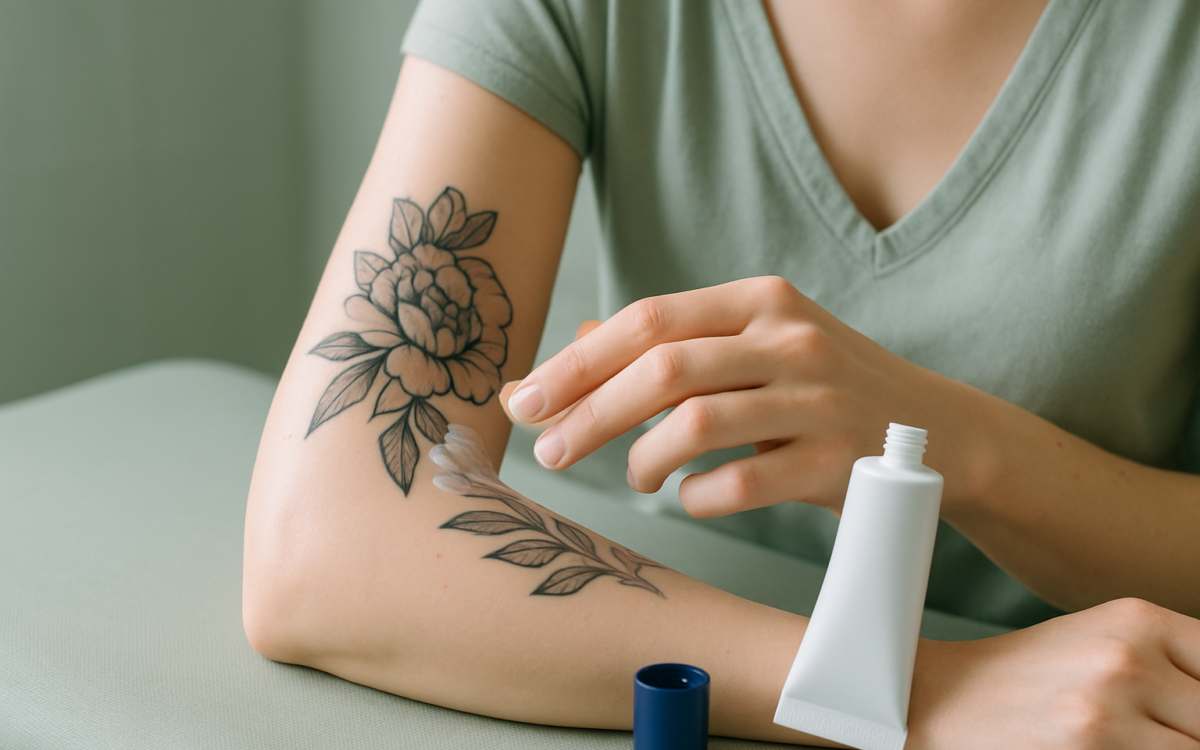
Getting a tattoo is an exciting experience that allows you to express your individuality in a permanent way. However, proper care after getting a tattoo is crucial to ensure it heals well and looks its best. One product that has gained popularity among tattoo enthusiasts is Aquaphor. But how exactly does it help with tattoo aftercare? Let’s explore the benefits of using Aquaphor for your fresh ink.
What is Aquaphor?
Aquaphor is a healing ointment that is widely known for its ability to protect and soothe various skin conditions. It is a combination of petroleum jelly and other essential ingredients, which makes it an effective barrier against contaminants while keeping your skin moistened. Because tattoos involve breaking the skin, effective aftercare is essential, and Aquaphor can play a significant role in that process.
Benefits of Using Aquaphor for Tattoos
Here are several reasons why many tattoo artists and enthusiasts recommend using Aquaphor for tattoo care:
- Moisture retention: Aquaphor creates a protective layer that locks in moisture. This is crucial, as a well-hydrated skin promotes faster healing, allowing the tattoo to settle properly.
- Protection from external irritants: The barrier created by Aquaphor helps shield the tattooed area from dirt, bacteria, and other irritants, minimizing the risk of infection.
- Soothing properties: The formulation of Aquaphor provides a soothing effect on the skin, which can help reduce itching and discomfort that often accompanies the healing process.
- Reduced scabbing: By keeping the skin moisturized, Aquaphor can help prevent excessive scabbing. Overly dry skin can crack and lead to scarring, which can ruin the appearance of your tattoo.
How to Use Aquaphor After Getting a Tattoo
Using Aquaphor for your tattoo healing process is simple. Here’s a step-by-step guide:
- Clean the tattoo: After getting your tattoo, the artist will typically cover it with a bandage. Once you are ready, gently remove the bandage and wash the tattoo with mild soap and lukewarm water. Pat it dry with a clean towel.
- Apply a thin layer: Take a small amount of Aquaphor and gently spread it over the tattooed area. Remember that a little goes a long way. It’s important not to apply too much, as this can suffocate your skin.
- Frequency of application: Apply Aquaphor every few hours, or as needed, especially if the skin starts to feel dry or itchy. Continue this for at least 3-5 days, or until the tattoo appears to be healing well.
When to Transition Away from Aquaphor
While Aquaphor can be beneficial during the initial healing stages, it’s important to know when to stop using it. Generally, after about 5-7 days, when the tattoo is healing and starting to scab over, you may want to switch to a lighter lotion or tattoo balm that allows your skin to breathe more effectively.
Continuing to use Aquaphor for too long can lead to clogged pores and may result in potential issues like breakouts or irritation. Always observe your tattoo’s healing progress and adjust your aftercare routine accordingly.
Considering International Treatment Options
If you’re getting a tattoo abroad or considering international treatment, it’s essential to research not only the tattoo parlor’s hygiene standards but also the products they recommend for aftercare. Some places might offer international options like Acibadem International, which provides insights into safe practices globally. Always ensure that you understand the aftercare protocols, especially if you’re in a different environment with varying humidity and climate factors.
Common Myths About Aquaphor and Tattoos
As with many topics, there are myths surrounding the use of Aquaphor for tattoo care. It’s important to clarify these to make informed decisions:
- Myth: Aquaphor will cause your tattoo to fade. Fact: When used appropriately, Aquaphor helps retain ink and can even enhance the vibrancy of your tattoo during the healing process.
- Myth: You should use copious amounts of Aquaphor. Fact: Less is more. Overapplying can disrupt the healing process; only a thin layer is needed.
- Myth: All healing products are the same. Fact: Not all ointments provide the same benefits. Aquaphor has unique hydrating and protective qualities that make it suitable for tattoos.
When to See a Doctor
While Aquaphor can greatly assist in healing your tattoo, there are times when you should consult a healthcare professional. If you notice any of the following, it’s important to seek medical advice:
- Signs of infection, such as increased redness, swelling, pus, or fever.
- Severe allergic reactions, including hives, itching that doesn’t subside, or breathing difficulties.
- Unusual changes in the tattoo, like excessive scabbing or areas that aren’t healing properly.
Conclusion
Aquaphor can be a powerful ally in the care and healing of your new tattoo. Its ability to lock in moisture, protect the skin, and soothe irritation makes it a preferred choice for many. Remember to follow proper aftercare techniques and pay attention to how your skin responds. As always, if you have any concerns about your tattoo’s healing process, consult a healthcare professional for guidance.
