
When we think about movement, we often focus on how we engage our muscles and joints through active motion. However, another critical aspect of physical health is passive range of motion (PROM). This type of movement is essential for everyone, especially individuals recovering from surgery or dealing with conditions that affect their mobility. In this article, we’ll explore what passive range of motion is, its benefits, and how it can be incorporated into daily routines.
What Is Passive Range of Motion?
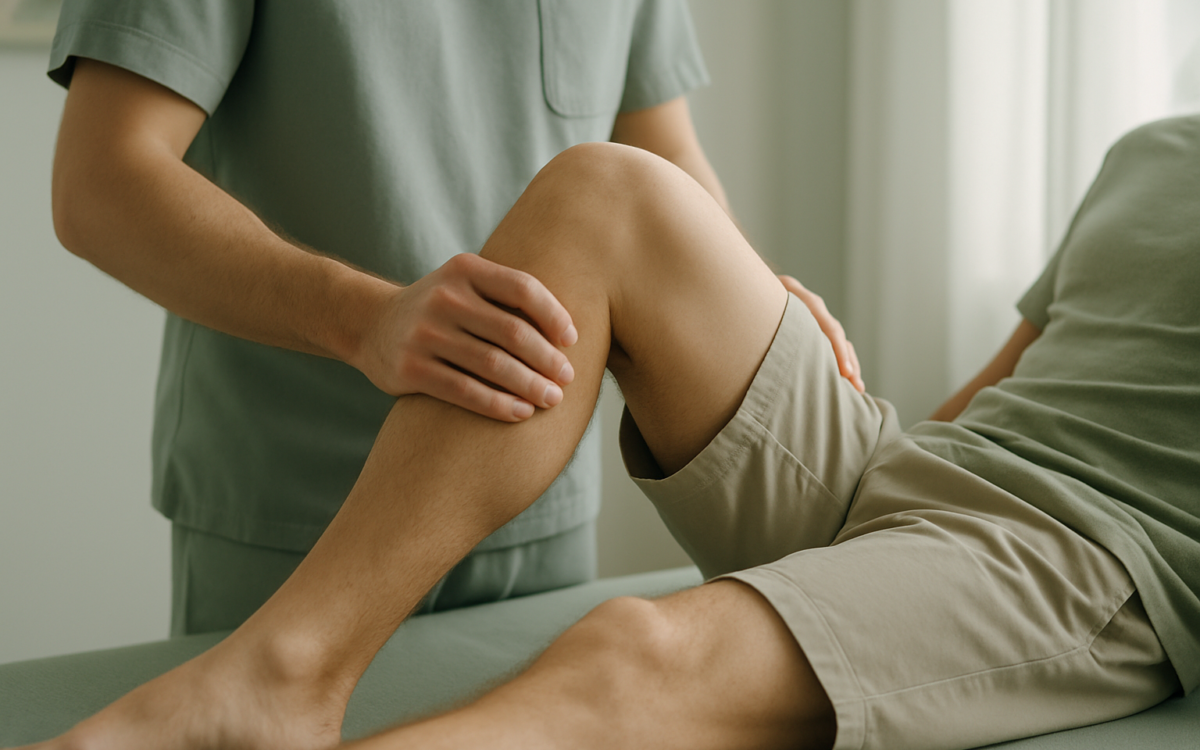
Passive range of motion refers to the movement of a joint through its complete range without any effort from the person experiencing the motion. Instead, an external force, such as a therapist, device, or another person, performs the movement. This can include gently lifting a limb or joint, allowing it to move freely without the individual’s active participation.
Why Is Passive Range of Motion Important?
Passive range of motion exercises are vital for several reasons:
- Maintaining Joint Flexibility: Regular PROM helps keep joints flexible and supple, which is especially important for individuals who are immobilized or post-surgery.
- Preventing Contractures: By moving joints through their full range, PROM can help prevent the formation of contractures, where muscles and tendons shorten over time, leading to stiffness.
- Enhancing Circulation: Passive movements can stimulate blood flow to the area, promoting healing and reducing swelling.
- Reducing Pain: Engaging in gentle passive movements can help alleviate discomfort associated with stiffness and immobility.
Who Can Benefit from Passive Range of Motion?
Passive range of motion exercises can be beneficial for a wide range of people, including:
- Post-Surgical Patients: Those recovering from surgery often have restrictions on their mobility. PROM helps prevent stiffness and maintains flexibility in the affected areas.
- Individuals with Physical Disabilities: For individuals with conditions such as cerebral palsy or muscular dystrophy, passive exercises can help maintain joint health.
- Older Adults: Aging can lead to decreased mobility and flexibility. PROM may support better movement and quality of life in seniors.
How to Perform Passive Range of Motion Exercises
Passive range of motion exercises can be performed by a healthcare provider, caregiver, or even conducted by oneself in certain circumstances. Here are some general guidelines:
Basic Techniques
- Warm Up: Begin with gentle movements to warm up the muscles and joints.
- Support the Limb: If assisting someone else, support the arm or leg at the joints to ensure stability.
- Move Slowly: Apply slow, steady pressure to move the limb through its range of motion. This reduces discomfort and risk of injury.
- Watch for Signs of Discomfort: Always pay attention to the individual’s reactions. If they feel pain or discomfort, stop the exercise.
Examples of Passive Range of Motion Exercises
- Shoulder Flexion: While the patient is seated, assist them in lifting their arm forward, keeping the elbow straight.
- Knee Flexion: With the person lying down, gently lift their leg, bending at the knee while keeping the foot flat.
- Ankle Circles: Hold the heel and rotate the foot in circular motions to promote range in the ankle joint.
Incorporating Passive Range of Motion into Daily Life
Passive range of motion exercises can easily be included in daily routines, particularly for those with limited mobility. Here are some practical tips:
- Set a Routine: Establish specific times throughout the day for PROM, such as after waking up or before bedtime.
- Use Reminders: For caregivers and individuals, using alarms or post-it notes can help remind you to include these exercises in your schedule.
- Be Creative: Use activities like reading or watching TV as opportunities for PROM by promoting gentle movements.
Potential Risks and Considerations
While passive range of motion exercises can offer many benefits, there are some precautions to take:
- Consult Your Healthcare Provider: Before starting any PROM exercises, especially after surgery or significant injuries, always check with a healthcare professional.
- Avoid Resistance: PROM should not involve any forceful movements. They should be gentle and controlled.
- Monitor Progress: Keep track of changes and improvements in mobility and joint function, adjusting exercises as necessary.
When to See a Doctor
If an individual experiences severe pain, swelling, or any unusual symptoms during passive range of motion exercises, it is crucial to consult a healthcare professional. This can help rule out any underlying conditions that may require further evaluation or interventions.
Passive range of motion exercises are a fundamental aspect of maintaining joint health and flexibility. By incorporating these gentle movements into daily life, individuals can experience enhanced mobility and overall well-being. Remember that while PROM can greatly benefit many, it’s essential to consult with a healthcare provider to ensure that these exercises are suitable for individual needs and conditions.
