
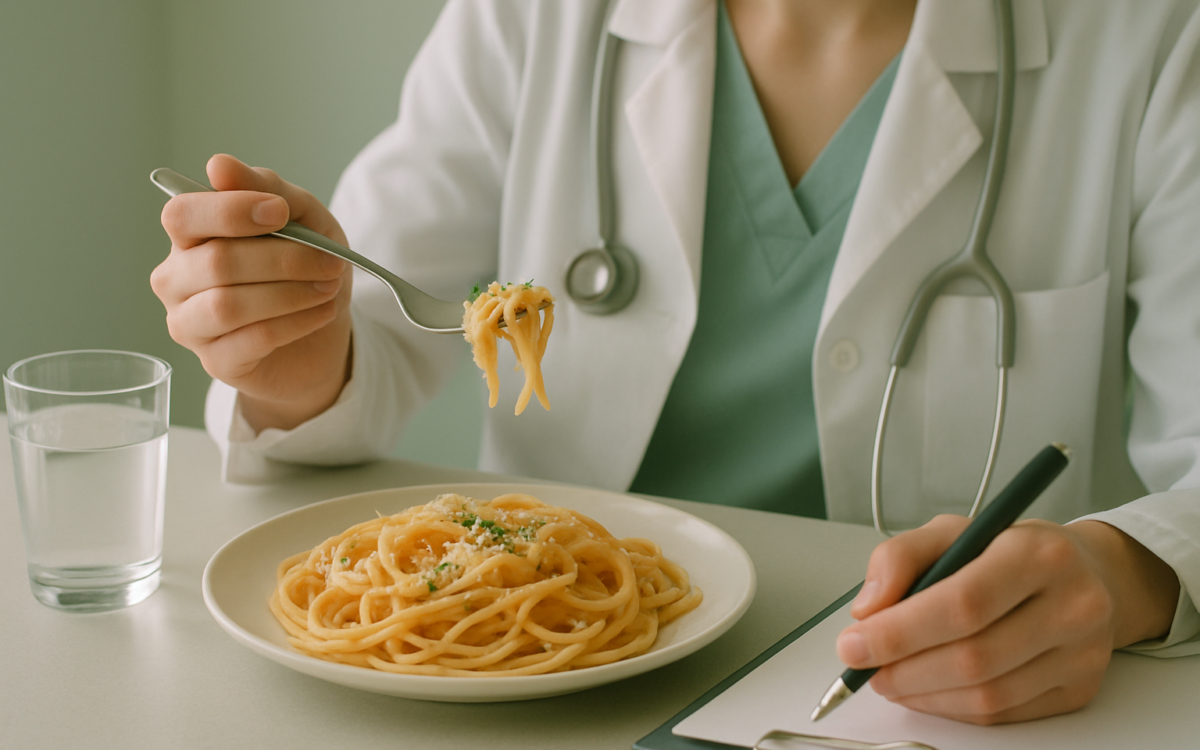
Pasta has long been a staple in many diets around the world, known for its delicious taste and versatility. But when it comes to health, the question remains: is pasta healthy? The answer isn’t black and white. It largely depends on the type of pasta, how it’s made, and what it’s served with. In this article, we’ll explore the nutritional aspects of pasta, its potential health benefits, and considerations to keep in mind.
Understanding the Nutritional Value of Pasta
Pasta is primarily made from wheat flour and water, which means it’s predominantly composed of carbohydrates. A typical serving of cooked pasta (about one cup) contains approximately 200 calories, 43 grams of carbohydrates, 7 grams of protein, and minimal fat. However, pastas can vary significantly based on their ingredients:
- Whole grain pasta: Made from whole wheat flour, it retains the bran and germ, providing more fiber, vitamins (like B vitamins), and minerals (like iron and magnesium).
- White pasta: Made from refined flour, it has less fiber and fewer nutrients compared to whole grain options.
- Alternatives: Various alternatives exist, including legume-based pastas (like chickpea or lentil pasta) and vegetable noodles (like zucchini noodles).
The type of pasta you choose can significantly impact its healthiness. For more information on pasta nutrition, you can visit the National Institutes of Health.
The Benefits of Pasta in Your Diet
Despite its carbohydrate content, pasta can be part of a balanced diet. Here are some potential benefits of including pasta:
- Energy Source: Carbohydrates are the body’s primary energy source. Pasta provides quick energy, making it suitable for athletes and physically active individuals.
- Heart Health: Whole grain pasta is a good source of dietary fiber, which can help lower cholesterol levels and promote heart health by reducing the risk of cardiovascular disease.
- Versatility: Pasta can be combined with a variety of healthy ingredients, such as vegetables, lean proteins, and healthy fats, to create well-rounded meals. This versatility allows for creative and healthy meal preparation.
Glycemic Index and Blood Sugar Impact
The glycemic index (GI) measures how quickly foods raise blood sugar levels. Foods with a high GI can cause rapid spikes in blood sugar, which is especially important to consider for individuals with diabetes or insulin resistance.
Traditional white pasta has a medium-high GI, meaning it can elevate blood sugar levels, but the impact can vary depending on how it’s cooked:
- Cooking time: Al dente pasta (cooked until firm) has a lower GI than overcooked pasta, making it a better option.
- Pairing with other foods: Combining pasta with protein, healthy fats, or fiber-rich vegetables can help moderate blood sugar responses.
For more information on the glycemic index and its impact on health, you can check resources from the World Health Organization.
Portion Control: The Key to Healthy Pasta Consumption
One of the most significant factors affecting whether pasta is healthy is portion size. It’s easy to overlook serving sizes, especially in casual dining or homemade dishes. Here are some tips for managing portions:
- Know your servings: A serving of pasta is typically 1 cup cooked. Measuring can help keep portions in check.
- Fill your plate: Load up on non-starchy vegetables alongside pasta to increase volume without adding excessive calories.
- Mind the sauce: The healthiness of your pasta dish will often depend on the sauce. Creamy sauces can add extra calories and fat. Opt for tomato-based or olive oil-based sauces for healthier options.
By practicing portion control, you can enjoy the benefits of pasta without overindulging.
Special Considerations for Pasta Lovers
Though pasta can be a healthy component of your diet, some individuals may need to be more cautious:
- Gluten Sensitivity: Gluten, a protein found in wheat, can cause adverse reactions in people with celiac disease or gluten sensitivity. For this group, gluten-free pasta made from rice, corn, or quinoa is advisable.
- Blood Sugar Management: Those with diabetes or insulin resistance should monitor their carbohydrate intake and consider choosing whole grain or legume-based pasta options that have a lower GI.
When to See a Doctor
If you’re experiencing symptoms such as bloating, stomach pain, or digestive issues after eating pasta, it’s essential to consult a healthcare professional. This can help determine if you have any underlying conditions such as gluten intolerance or food sensitivities.
Conclusion
So, is pasta healthy? The answer is that it can be, especially when you choose the right type and serve it with nutritious accompaniments. Whole grain and legume-based pastas offer more fiber and nutrients compared to traditional white pasta. Additionally, practicing portion control and being mindful of your overall meal composition can help you enjoy pasta as part of a balanced diet. The key is moderation and making informed choices to suit your health needs.
