
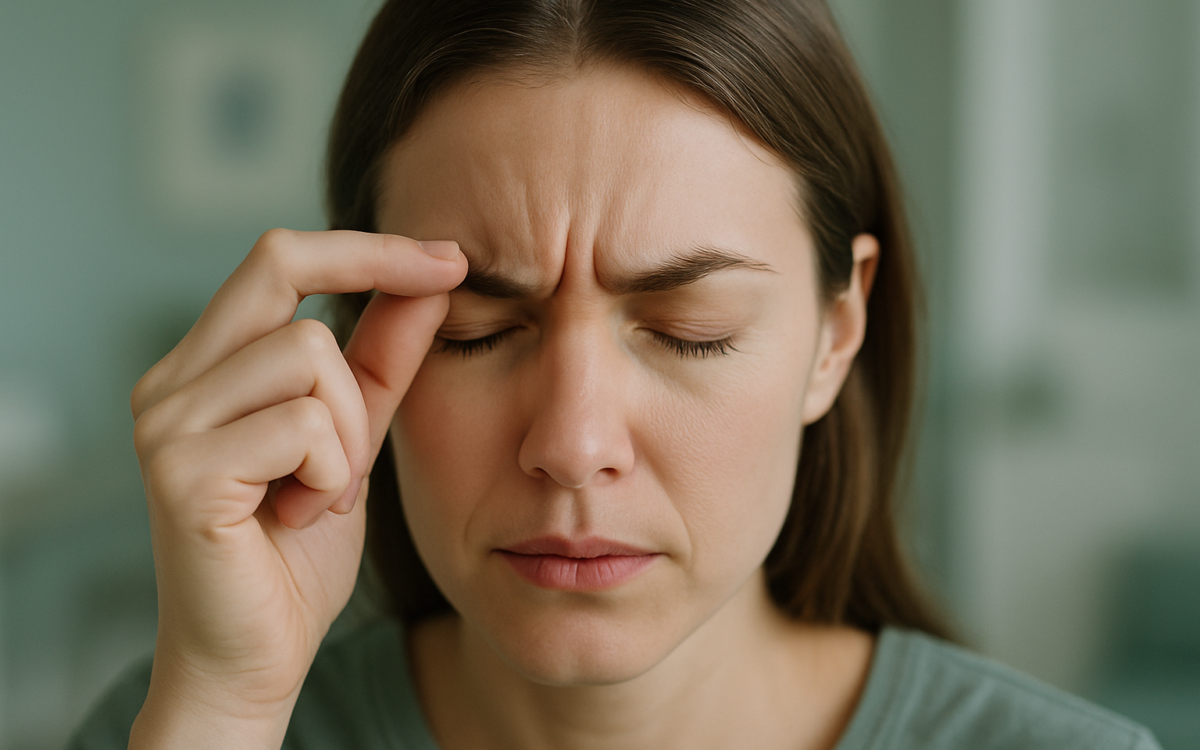
Have you ever noticed your eyebrow twitching unexpectedly? It’s a common experience that can be both annoying and puzzling. Known medically as eyelid myokymia, eyebrow twitching is often harmless but can sometimes be a sign of an underlying issue. Let’s explore the various causes, why they happen, and what you can do about them.
What is Eyebrow Twitching?
Eyebrow twitching, or eyelid myokymia, involves involuntary contractions of the muscles around the eye. It may feel like a small muscle is flickering or pulsating beneath the skin. Although it mostly occurs in the upper eyelid, some people may experience twitches in the eyebrow area. Usually, these twitches last for a few seconds to several minutes and are generally harmless.
Common Causes of Eyebrow Twitching
There are several factors that can trigger eyebrow twitching. Here are some of the most common:
- Stress: Emotional or physical stress is a major contributor to muscle spasms, including twitching. When you’re under pressure, your body responds in various ways, and muscle contractions can be one of them.
- Fatigue: Lack of sleep or extended periods of eye strain from staring at screens can lead to eyebrow twitching. Your eyes and facial muscles can become overworked when you’re tired.
- Caffeine Consumption: Excessive intake of caffeine can affect muscle control. If you find yourself twitching after a cup of coffee or energy drink, consider cutting back.
- Eye Irritation: Allergies, dry eyes, or irritants like smoke or pollution can result in twitching. If your eyes are irritated, the muscles around them may respond by twitching.
- Nutritional Deficiencies: Lack of certain nutrients, particularly magnesium, can lead to muscle spasms. Ensuring a balanced diet may help keep these twitches at bay.
The Role of Lifestyle Factors
Your daily habits can significantly influence whether you experience eyebrow twitching. Here are a few lifestyle factors to consider:
Managing Stress
Finding ways to cope with stress is essential. Activities like yoga, meditation, or even simple breathing exercises can help calm your mind and reduce muscle tension.
Taking Breaks from Screens
If you work long hours in front of a computer, make it a routine to take short breaks. The 20-20-20 rule is a good one to follow: every 20 minutes, look at something 20 feet away for at least 20 seconds. This can help alleviate eye strain.
Staying Hydrated and Eating Well
Proper hydration and a balanced diet can also play a role in preventing twitching. Incorporating foods rich in magnesium, such as leafy greens, nuts, and seeds, can be beneficial. Additionally, reducing caffeine and alcohol consumption may help.
When Eyebrow Twitching Becomes a Concern
While most cases of eyebrow twitching are benign and resolve on their own, there are instances where it may require medical attention. If you experience any of the following, consider consulting a healthcare professional:
- Long-lasting twitching that persists for more than a week.
- Twitching accompanied by other symptoms, such as drooping eyelids or facial spasms.
- Changes in vision or any discomfort that seems unusual.
It’s important to remember that these symptoms might indicate a more serious condition, such as blepharospasm or conditions affecting the nervous system. According to the National Library of Medicine, understanding the nature of these symptoms is crucial for proper diagnosis and treatment.
Treatments and Home Remedies
If you’re dealing with occasional eyebrow twitching, several home remedies and tips may help alleviate the situation:
- Warm Compresses: Applying a warm compress to your eye can relax the muscles and potentially reduce twitching.
- Cold Compresses: Some people find relief with cold packs, which may numb the area and stop the twitching.
- Eye Drops: If dryness or irritation is the culprit, over-the-counter lubricating eye drops may provide relief.
In addition, connecting with someone about your stress factors or trying relaxation techniques can also be a helpful step.
Final Thoughts on Eyebrow Twitching
Eyebrow twitching is a common yet surprisingly multifaceted experience that usually isn’t serious but can be bothersome. Identifying potential triggers and adjusting lifestyle habits may reduce occurrences. However, it’s important to listen to your body and seek consultation if you notice significant changes or if the twitching becomes persistent.
When to See a Doctor
If your eyebrow twitching lasts longer than a week, changes in your eye appearance or function occur, or if you’re experiencing multiple symptoms, it’s time to consult a healthcare professional. Early intervention can lead to better outcomes, especially if there is an underlying condition that needs addressing. Always prioritize what your body is trying to communicate.
