
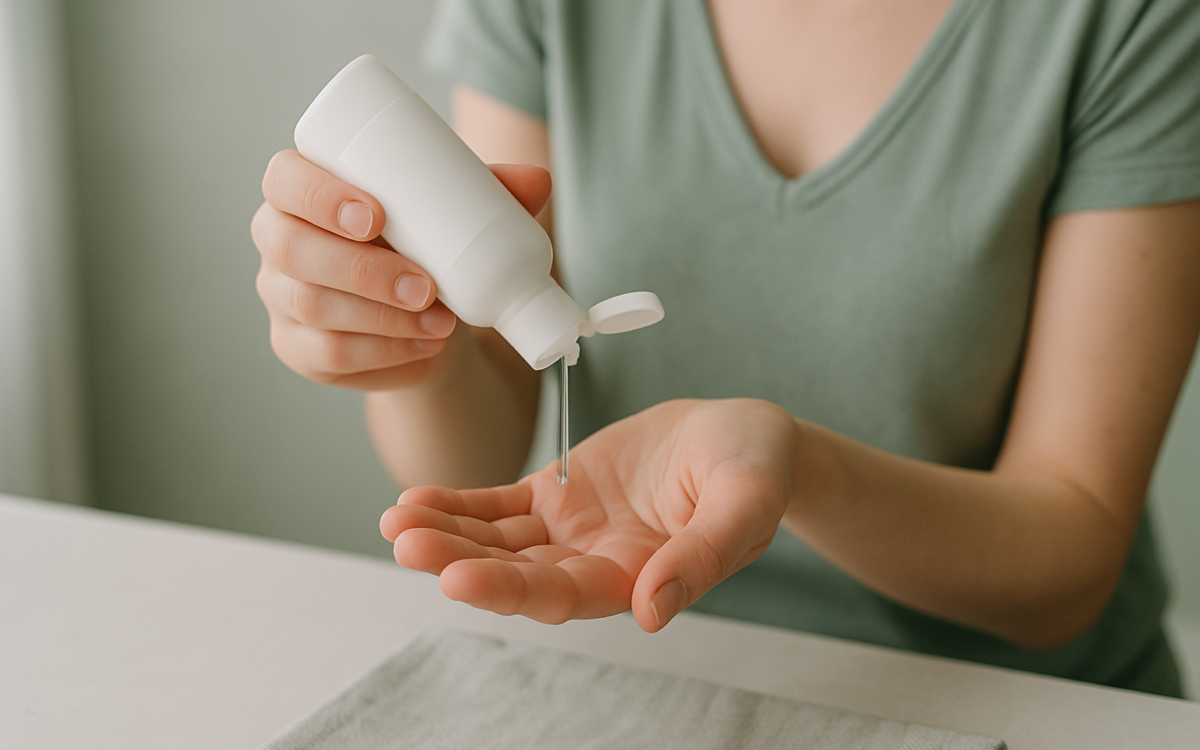
When trying to conceive, couples often focus on timing, health, and lifestyle choices. However, the products they use during intimacy can also play a significant role in supporting fertility. A conceive-friendly lubricant can help maintain comfort and, importantly, won’t hinder the journeys toward conception. Here’s a closer look at what makes a lubricant suitable for those trying to conceive, alongside tips for choosing the best option.
Understanding Lubricants and Fertility
Many standard lubricants contain ingredients that may negatively affect sperm motility or viability. This is crucial, as sperm need to be able to swim effectively to reach and fertilize an egg. Some common ingredients found in typical lubricants, such as glycerin and sugars, can create a hostile environment for sperm by altering the pH levels within the vagina and cervix.
What Is a Conceive-Friendly Lubricant?
A conceive-friendly lubricant is specially formulated to be safe for sperm and to mimic the natural moisture of cervical fluid. These products usually have a neutral pH and are devoid of harmful additives that might affect fertility. They help alleviate dryness during intercourse without creating a barrier that would impede sperm movement.
Key Ingredients to Look For
- Water-Based Formulas: These are typically the best options, as they are easy to clean and are less likely to cause irritation.
- pH-Balanced: Ensuring the lubricant is pH-neutral (around 7.0) is essential for maintaining a healthy environment for sperm.
- Natural Ingredients: Look for lubricants made from natural ingredients like aloe vera or coconut oil, which are unlikely to be harmful.
- No Glycerin or Parabens: Avoid lubricants containing glycerin, as it can create an environment conducive to yeast infections, and parabens, which may interfere with hormone levels.
Popular Conceive-Friendly Lubricant Options
There are several conceive-friendly lubricants available on the market today. Here are a few that have gained popularity among couples trying to conceive:
- Pre-Seed: Often highlighted for its sperm-friendly formulation, Pre-Seed has a pH level similar to that of natural cervical fluid, promoting a friendly environment for sperm.
- Good Clean Love: This organic option is made from natural ingredients and is free from harmful chemicals, making it a safe choice for couples looking to conceive.
- YES WB: A water-based organic lubricant that prides itself on having no synthetic ingredients, providing comfort while remaining safe for sperm.
Tips for Using Lubricants When Trying to Conceive
Here are some helpful tips to keep in mind when using lubricants during your conception journey:
- Read the Label: Always check product labels for potential harmful ingredients.
- Test for Sensitivity: Perform a patch test if you’re trying a new lubricant to ensure there is no adverse reaction.
- Limit Use: While lubricants can help with comfort, it’s good to limit their use to times when necessary, as natural lubrication is best whenever possible.
- Consult Your Partner: Open discussions with your partner about preferences and comfort can enhance intimacy and understanding.
When to See a Doctor
If you’re experiencing persistent discomfort during intercourse, changes in vaginal health, or have concerns about fertility, it’s essential to consult a healthcare provider. They can offer personalized advice and support based on your specific circumstances. For further reading on sexual health and fertility, you may find resources from reputable sites like the National Institutes of Health or the Centers for Disease Control and Prevention helpful.
Conclusion
Choosing a conceive-friendly lubricant is a manageable yet meaningful step in the journey toward conception. Being informed about what to look for in a lubricant allows couples to enjoy intimacy without compromising their efforts to conceive. Always prioritize comfort and safety, and consult a healthcare provider with any questions or concerns related to your reproductive health.
