
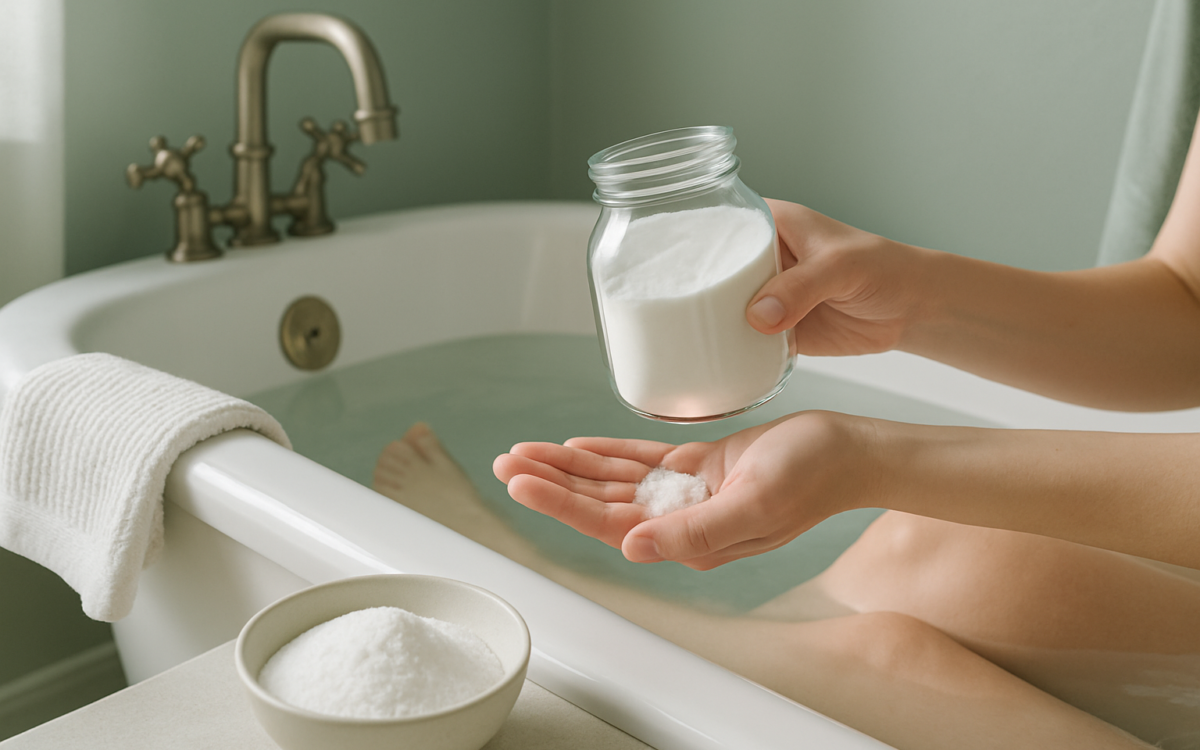
Have you ever considered giving yourself a bread soda bath? While it might sound unusual at first, this simple yet effective remedy has been used for generations to help soothe various ailments. This article explores the benefits of bread soda baths, how to prepare one, and what precautions to take for a satisfying experience.
What is a bread soda bath?
A bread soda bath is essentially a soak in warm water mixed with baking soda, also known as sodium bicarbonate. This common kitchen ingredient is celebrated for its ability to balance pH levels and provide soothing properties. When added to bath water, baking soda can help cleanse the skin while offering a variety of benefits that make it a popular choice for those looking to improve their overall well-being.
Benefits for the skin
One of the primary reasons people turn to bread soda baths is for their skin benefits. Here are a few ways that baking soda can enhance your bathing experience:
- Soothing irritation: Baking soda has anti-inflammatory properties that can help alleviate irritation caused by conditions like eczema or psoriasis. According to a study published by the National Institutes of Health, sodium bicarbonate can soothe itchy skin and restore a sense of comfort.
- Exfoliation: The fine particles in baking soda can gently exfoliate the skin as you soak, helping to remove dead skin cells and leaving your skin feeling soft and rejuvenated.
- Detoxification: Some people believe that soaking in a baking soda bath can help draw out toxins from the skin, although scientific evidence on this claim is limited.
Other potential benefits
Beyond just skin health, bread soda baths can have other positive effects:
- Relaxation: A warm bath alone can promote relaxation, but adding baking soda may enhance the experience. The gentle fizzing reaction between baking soda and water can create a pleasant atmosphere that calms the mind.
- Scent enhancement: If you add essential oils to your bread soda bath, the effervescence from the baking soda can help disperse these scents more evenly in the water, leading to an aromatherapy effect.
- Post-exercise relief: After a strenuous workout, a warm baking soda bath may help reduce muscle soreness and fatigue. It can be a natural way to loosen tight muscles and promote recovery.
How to prepare a bread soda bath
Creating a bread soda bath is easy and requires just a few ingredients:
- Gather your materials: You will need a bathtub, warm water, and baking soda.
- Measure the baking soda: For a standard-sized bathtub, add approximately 1 to 2 cups of baking soda to the water. If it’s your first time, you might want to start with less and adjust based on your experience.
- Fill the tub: Start running warm water (not hot) in your bathtub. As the tub fills, pour the baking soda into the water.
- Stir it up: Use your hand or a cup to stir the water until the baking soda is fully dissolved.
- Soak in the goodness: Once everything is mixed, step in and soak for about 15-30 minutes. Allow yourself to relax and enjoy the soothing properties of the bath.
Precautions to consider
While bread soda baths can be beneficial, it’s essential to keep a few precautions in mind:
- Skin sensitivity: Before trying a baking soda bath for the first time, it’s wise to conduct a patch test. Apply a small amount of the baking soda paste to a small area of skin. If irritation occurs, discontinue use.
- Hydration: Baking soda can be drying to the skin for some individuals. Ensure that you hydrate well afterwards, and consider applying a moisturizer post-bath.
- Consult your doctor: If you have any underlying skin conditions, allergies, or health concerns, always consult your doctor before starting any new remedies.
- Clearing the tub: Baking soda can leave a slippery residue in the bathtub. Be sure to rinse the tub thoroughly after use to avoid slipping.
When to see a doctor
If you experience adverse reactions to a bread soda bath, such as severe redness, itching, or swelling, it’s essential to consult a healthcare professional. Additionally, if you have ongoing skin conditions or other health concerns, discuss the use of baking soda baths with your doctor to ensure they are safe for you.
A global perspective on natural remedies
Internationally, natural treatments are embraced in many cultures. Countries like Turkey are known for their wellness practices, such as therapeutic baths and soaks. Institutions like Acibadem International emphasize a blend of modern medicine and traditional approaches, making the exploration of natural remedies, including bread soda baths, a part of holistic health journeys.
Conclusion
A bread soda bath is more than just a relaxing experience; it’s a simple yet effective way to care for your skin and promote relaxation. With proper preparation and precautions, you can enjoy the many benefits of this age-old remedy. Always remember to listen to your body, and when in doubt, consult a healthcare provider for personalized advice. Happy soaking!
