
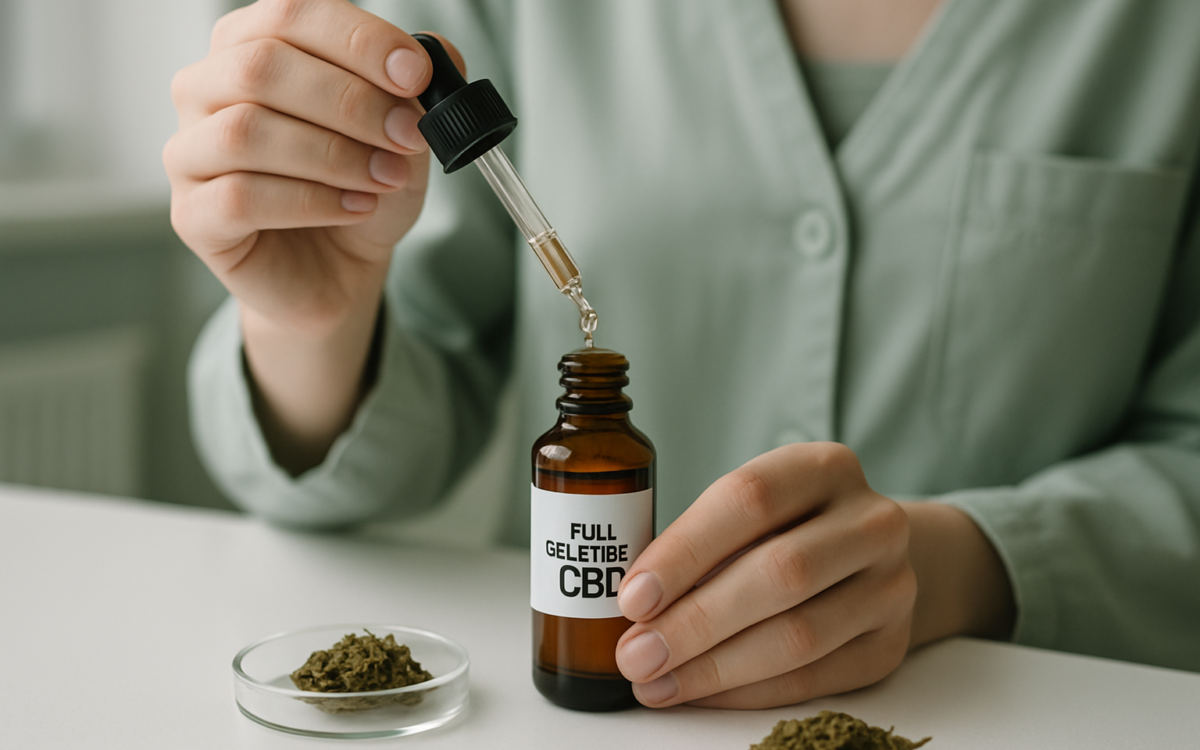
In recent years, CBD, or cannabidiol, has gained popularity as a natural wellness option. Among various types of CBD products, full spectrum CBD stands out due to its unique blend of cannabinoids and other compounds. This article will explore what full spectrum CBD is, its potential benefits, and how it differs from other CBD forms.
What Is Full Spectrum CBD?
Full spectrum CBD is derived from the hemp plant and contains a wide range of cannabinoids, terpenes, and other beneficial compounds. Unlike CBD isolate, which contains only pure CBD, full spectrum CBD retains the full range of compounds found in the plant, including:
- CBD (cannabidiol)
- THC (tetrahydrocannabinol, in trace amounts)
- CBG (cannabigerol)
- CBN (cannabinol)
- Terpenes
- Flavonoids
This broad profile of compounds is thought to work together in what some refer to as the “entourage effect,” potentially enhancing the therapeutic benefits of the individual components.
The Entourage Effect Explained
The term “entourage effect” refers to the synergistic interaction between various cannabinoids and terpenes. Research suggests that the combination of these compounds may produce more significant effects than isolated cannabinoids alone. For instance, a study published by the National Institutes of Health highlighted how different cannabinoids could work in harmony to modulate pain, inflammation, anxiety, and other physiological responses (NIH).
Potential Health Benefits
Although research is ongoing, full spectrum CBD shows promise for a variety of potential health benefits:
- Pain Relief: Some studies suggest that cannabinoids can help alleviate chronic pain.
- Reducing Anxiety: Anecdotal evidence and early research indicate that CBD may reduce symptoms of anxiety.
- Improved Sleep: Some users report better sleep quality when using full spectrum CBD.
- Anti-inflammatory Effects: The compounds in full spectrum CBD may help reduce inflammation, which is beneficial for various health conditions.
However, it’s essential to note that individual responses to CBD can vary, and more research is needed to confirm these benefits definitively.
How to Use Full Spectrum CBD
If you’re considering trying full spectrum CBD, it’s important to choose high-quality products. Here are some common forms of full spectrum CBD products:
- Oils and Tinctures: These can be taken sublingually (under the tongue) for quick absorption.
- Capsules: Convenient and easy to dose, capsules are an excellent option for those who prefer not to taste the oil.
- Topicals: Creams and balms infused with CBD can be applied directly to the skin for localized relief.
- Edibles: Gummies and other food products allow for a tasty way to consume CBD.
When using full spectrum CBD, start with a low dose and gradually increase it until you find what works best for you.
Legal Considerations
The legal status of full spectrum CBD can vary depending on your location. In the United States, the 2018 Farm Bill legalized hemp-derived CBD, provided that it contains less than 0.3% THC. However, local laws may differ, so it’s crucial to check your state regulations regarding the use of CBD products. For more information, you may visit the CDC‘s website for updates on legal issues around cannabis products.
Potential Risks and Side Effects
While many people tolerate full spectrum CBD well, it is not without risks. Some potential side effects include:
- Fatigue
- Dizziness
- Dry mouth
- Changes in appetite
- Diarrhea
If you experience any adverse effects, it’s advisable to discontinue use and consult with a healthcare professional.
When to See a Doctor
If you have pre-existing health conditions or are currently taking medications, you should consult a doctor before trying full spectrum CBD. Some medications may interact with CBD, leading to unwanted side effects. Additionally, if you experience severe side effects or have questions about appropriate dosing, it’s always best to seek medical advice.
In conclusion, full spectrum CBD offers a range of compounds that may work together to promote potential health benefits. As with any natural remedy, it’s essential to approach it with informed caution and consult with a healthcare professional, especially if you are new to CBD or have specific health concerns.
