
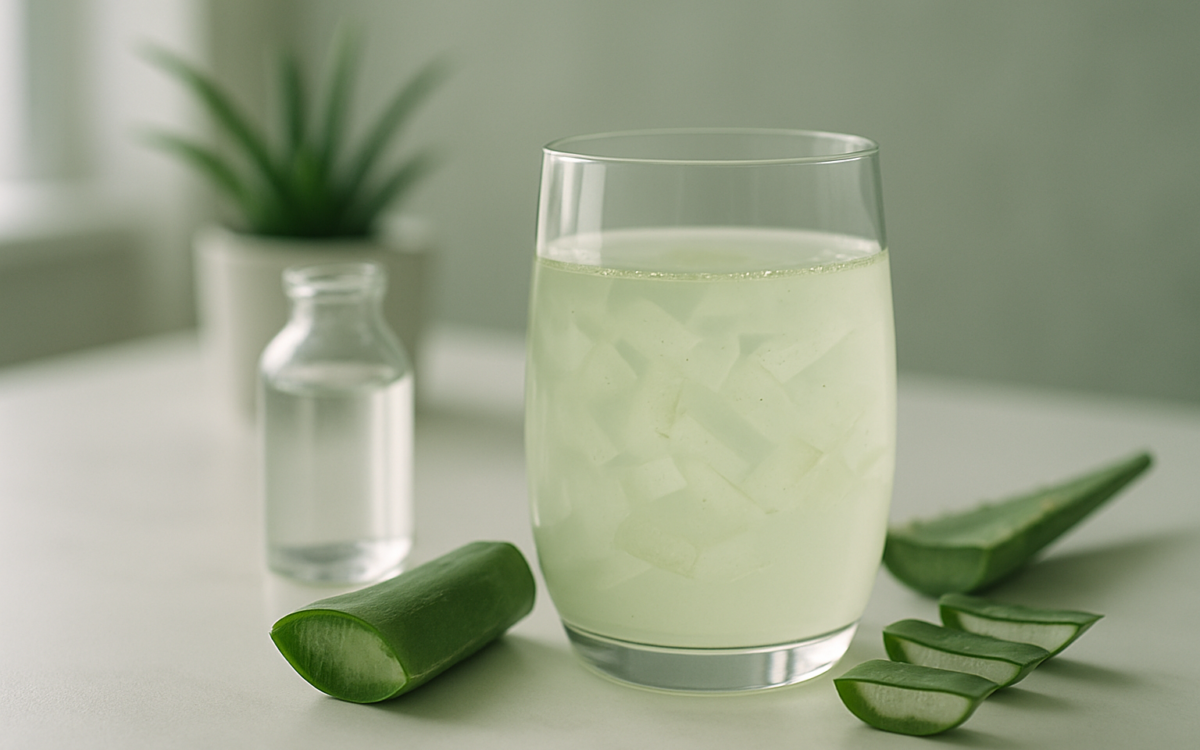
Aloe vera, often recognized as a soothing topical treatment for burns and skin irritations, has a lesser-known but equally fascinating ability: hydration. When transformed into a drink, aloe vera water has become increasingly popular for its potential health benefits and refreshing taste. This article aims to explore what aloe vera water is, its benefits, how to prepare it, and tips for incorporating it into your daily routine.
What is Aloe Vera Water?
Aloe vera water is made from the transparent gel found in the leaves of the aloe vera plant. This gel is mixed with water to create a refreshing drink that retains many of the beneficial properties of the original plant. Unlike aloe vera juice, which may contain added sweeteners and preservatives, aloe vera water is generally lighter, making it a more hydrating option.
Health Benefits of Aloe Vera Water
Aloe vera water is touted for several potential health benefits:
- Hydration: Staying hydrated is essential for overall health. Aloe vera water can help replenish fluids and keep you hydrated, especially during hot weather or after exercise.
- Nutrient-Rich: Aloe vera water contains vitamins (such as vitamins A, C, and E), minerals (like calcium and magnesium), and antioxidants that can support overall health.
- Digestive Aid: Some studies suggest that aloe vera may support digestive health by balancing gut flora and detoxifying the digestive tract. Drinking aloe vera water may contribute to a healthy microbiome.
- Skin Health: While many people apply aloe vera topically, drinking aloe vera water may also promote skin hydration from within, potentially improving skin texture and appearance.
- Anti-Inflammatory Properties: Aloe vera has been shown to have anti-inflammatory effects, which may aid in reducing discomfort in the body.
Though these benefits sound promising, it is vital to approach them with a balanced perspective. More research is needed to fully understand the extent of these benefits, so it’s always wise to consult reliable sources and healthcare professionals.
How to Prepare Aloe Vera Water
Making aloe vera water at home is both simple and rewarding. Here’s a quick guide:
- Gather Ingredients: You’ll need fresh aloe vera leaves and water, preferably filtered or spring water.
- Extract Gel: Using a sharp knife, carefully slice the aloe vera leaf lengthwise. Scoop out the clear gel with a spoon, avoiding the yellow sap, as it can be bitter and potentially irritating.
- Blend: In a blender, combine the extracted gel with water. The ratio can vary depending on your preference, but a good starting point is 1 part aloe gel to 3 parts water.
- Strain (optional): If you prefer a smoother texture, strain the mixture through a fine mesh sieve.
- Flavor (optional): You can enhance the flavor by adding a squeeze of lemon, lime, or even a splash of your favorite fruit juice.
- Refrigerate: Store any leftovers in the refrigerator and consume within a few days for optimal freshness.
This simple preparation allows you to enjoy your homemade aloe vera water anytime!
Incorporating Aloe Vera Water into Your Diet
Integrating aloe vera water into your daily routine can be enjoyable and convenient. Here are some ideas:
- Morning Refreshment: Start your day with a glass of aloe vera water instead of coffee or tea for a natural energy boost.
- Workout Hydration: Use aloe vera water as a refreshing drink during or after exercise to rehydrate without added sugars.
- Smoothies: Add a splash of aloe vera water to your favorite smoothie for added nutrition and hydration.
- Chill with Aloe Vera Spritzers: Mix aloe vera water with sparkling water and a slice of citrus for a refreshing summer drink.
The versatility of aloe vera water makes it a delightful addition to various drinks and dishes, allowing you to enjoy its benefits throughout the day.
Potential Risks and Considerations
While aloe vera water can be beneficial, it’s essential to be aware of potential risks:
- Allergies: Some people may experience allergic reactions to aloe vera. It’s advisable to start with a small amount to gauge your body’s response.
- Digestive Issues: Consuming too much aloe vera can lead to digestive discomfort, including diarrhea and cramps. Moderation is key.
- Drug Interactions: Aloe vera may interact with certain medications, particularly those affecting blood sugar levels. Always check with your healthcare provider if you are on medication.
Being aware of these factors helps ensure you enjoy aloe vera water safely.
When to See a Doctor
If you experience any adverse reactions after consuming aloe vera water, such as severe digestive discomfort or an allergic response, it’s important to seek medical advice promptly. Additionally, always consult a healthcare professional if you have pre-existing conditions, are pregnant, or are considering significant dietary changes involving aloe vera.
Conclusion
Aloe vera water can be a refreshing and nutritious addition to your hydration toolkit. Whether you enjoy it for its health benefits or simply as a delicious drink, understanding how to prepare and incorporate it into your diet enhances your wellness journey. Always prioritize balanced consumption and seek guidance from healthcare professionals to make informed decisions tailored to your health needs. Cheers to better hydration!
