
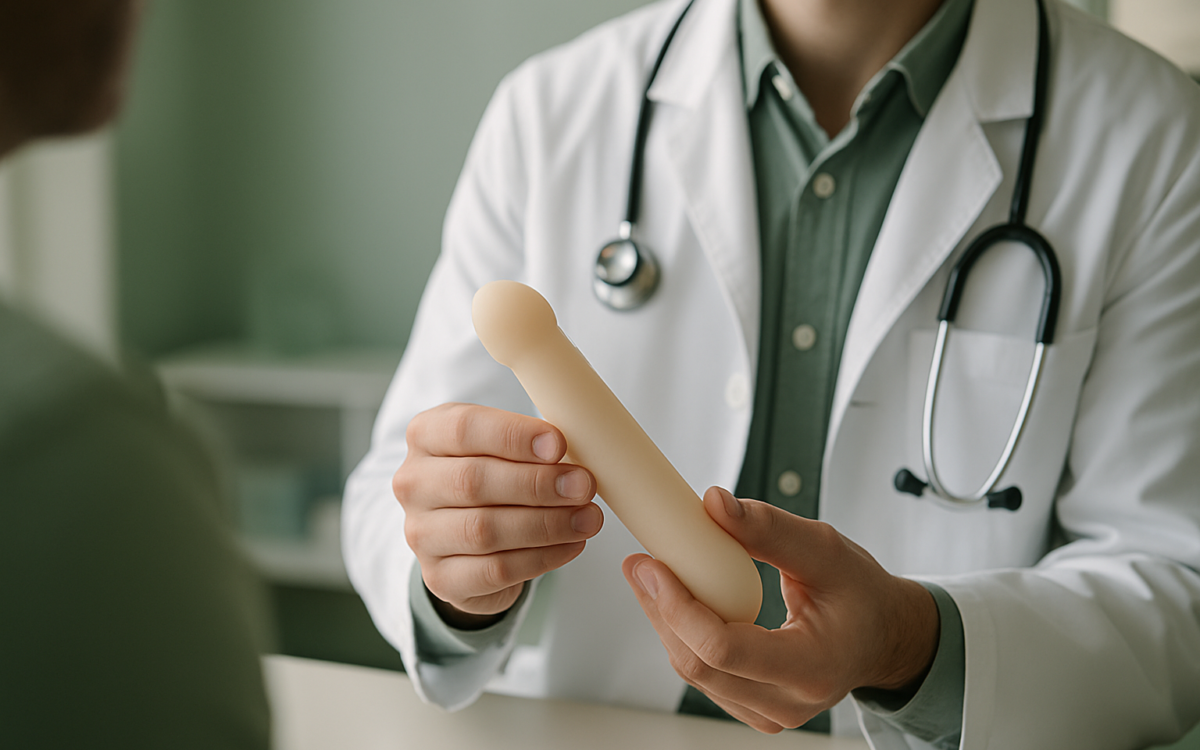
In recent years, many men have sought ways to enhance their sexual health and confidence. One option that has gained attention is the Penuma implant. This silicone-based device aims to provide a cosmetic enhancement to the penis, addressing both length and girth concerns. If you’re curious about the Penuma implant, understanding its benefits, potential risks, and what to expect during the recovery process can help guide your decision.
What is the Penuma Implant?
The Penuma implant is a surgical device designed to enhance the size and appearance of the penis. Made from medical-grade silicone, it is inserted under the skin during a surgical procedure. Unlike some other forms of penile enhancement, which may involve pumps or injections, the Penuma implant provides a more permanent solution.
Benefits of the Penuma Implant
Many men who choose to get the Penuma implant do so for various reasons. Here are some benefits that potential candidates often cite:
- Improved Appearance: The implant can give the penis a fuller, more aesthetically pleasing look, which can enhance confidence.
- Permanent Solution: Unlike temporary methods, such as injections, the Penuma implant is designed for long-term use.
- Minimal Maintenance: After the initial recovery period, the implant requires little-to-no care.
- Non-Inflammatory Material: The silicone used in the implant is biocompatible, which is generally well-tolerated by the body.
Who is a Good Candidate?
Not everyone is a suitable candidate for the Penuma implant. Ideal candidates typically include men who:
- Are physically healthy and do not have any medical conditions that would complicate surgery.
- Have realistic expectations about the results.
- Are seeking enhancement due to dissatisfaction with their size or appearance.
Consulting with a healthcare provider is essential to determine if the Penuma implant aligns with your goals.
Understanding the Procedure
The surgery to insert the Penuma implant is usually performed under anesthesia. The procedure typically lasts about one to two hours. Here’s a brief overview of what to expect:
- Consultation: Before the procedure, a thorough consultation with a doctor will assess your medical history and discuss your expectations.
- Procedure: The doctor makes a small incision to place the implant, ensuring it fits comfortably and looks natural.
- Recovery: Recovery times vary by individual, but most return to normal activities in about four to six weeks.
Possible Risks and Complications
Like any surgical procedure, the Penuma implant comes with its share of potential risks, including:
- Infection: There is always a risk of infection post-surgery that may require further treatment.
- Scarring: The incision may lead to noticeable scarring, though it can fade over time.
- Altered Sensation: Some men report changes in sensitivity following the surgery.
- Implant Problems: Though rare, issues with the implant itself may arise, necessitating additional surgery.
It’s crucial to discuss these risks with your healthcare provider to make an informed decision about the surgery.
Recovery and Aftercare
Recovery from the Penuma implant surgery is somewhat straightforward, but it’s essential to care for yourself properly to ensure the best outcomes:
- Follow Instructions: Adhere to your doctor’s post-operative instructions for care.
- Avoid Strenuous Activities: Physical activities should be limited for at least a month following surgery.
- Monitor for Signs of Complications: Keep an eye out for any unusual symptoms, such as extreme pain or signs of infection.
When to See a Doctor
Consult your doctor if you experience:
- Severe pain or discomfort that doesn’t improve with time.
- Signs of infection, such as fever, redness, or discharge.
- Unexpected changes in your urinary flow or sexual function.
Conclusion
The Penuma implant can be a viable option for men seeking enhancement in size and confidence. However, as with any surgical procedure, it’s essential to weigh the benefits and risks carefully. Engaging in a detailed discussion with a qualified healthcare provider will be crucial to determine if this option is right for you. Remember to prioritize your health and well-being throughout your decision-making journey.
