
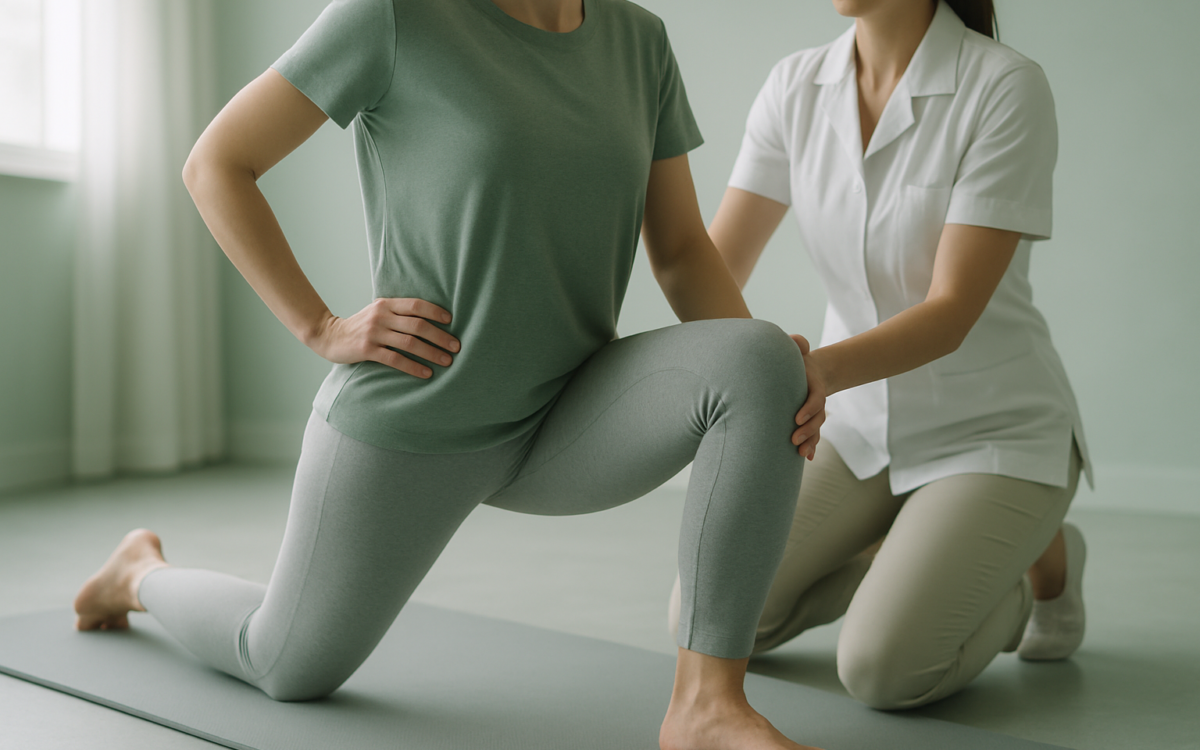
Many people underestimate the role of hip flexors in day-to-day activities. These muscles play a crucial part in walking, running, and even sitting comfortably. Strengthening and stretching your hip flexors can lead to better overall mobility, improved athletic performance, and a reduced risk of injury. In this article, we’ll explore essential hip flexor drills that can be easily integrated into your daily routine.
Understanding hip flexors
The hip flexors are a group of muscles located at the front of your hip. They are primarily responsible for flexing your hip joint, which lifts your knee towards your body. This group includes key muscles such as the iliopsoas, rectus femoris, and sartorius. Weak or tight hip flexors can lead to discomfort, poor posture, and lower back pain. Engaging in specific drills can help improve their strength, flexibility, and overall function, contributing to better posture and bodily alignment.
Why do hip flexor drills matter?
Focusing on hip flexor drills offers several advantages:
- Enhanced flexibility: Hip flexor drills help elongate these muscles, reducing tightness and improving your range of motion.
- Improved strength: Strong hip flexors support your core and help stabilize the pelvis during activities like running and jumping.
- Posture support: Strengthening hip flexors can alleviate strain on your lower back, contributing to better posture.
- Injury prevention: Flexible and strong hip flexors are less prone to injuries, especially during physical activities.
Effective hip flexor drills
Now that you understand the importance of hip flexor drills, let’s explore some effective exercises to incorporate into your routine.
Lunge stretch
The lunge stretch is an excellent way to stretch and strengthen your hip flexors. Follow these steps:
- Start in a standing position. Step forward with your right foot into a lunge position, ensuring your knee is directly above your ankle.
- Lower your left knee towards the floor, keeping your torso upright.
- Gently push your hips forward to feel a stretch in your left hip flexor.
- Hold this position for 15-30 seconds, and then switch sides.
Leg raises
Leg raises help strengthen the hip flexors and improve overall core stability:
- Lie on your back with your legs straight.
- Slowly lift your legs to a 45-degree angle, keeping your knees straight.
- Hold for a moment, then return to the starting position.
- Repeat for 10-15 reps.
Seated butterfly stretch
This stretch targets the hip flexors and inner thighs:
- Sit with your back straight and the soles of your feet together, allowing your knees to fall outward.
- Gently push down on your knees with your elbows to increase the stretch.
- Hold this position for 15-30 seconds.
Pigeon pose
The pigeon pose is a popular yoga position that provides a deep stretch for the hip flexors:
- Start in a tabletop position on your hands and knees.
- Bring your right knee forward and place it behind your right wrist, with your right foot angled towards your left hip.
- Extend your left leg back, keeping your hips square to the ground.
- Hold for 15-30 seconds, then switch sides.
Incorporating hip flexor drills into your routine
To see the best results, aim to integrate these hip flexor drills into your fitness routine several times a week. You can do them as part of your warm-up or cool-down sessions. It’s essential to listen to your body; if you feel any pain, stop the exercise and consult a professional.
For those traveling or seeking international options for enhanced physical therapy, treatment in Turkey could provide specialized exercises and programs focused on mobility and potency of results.
Monitoring progress
To monitor your progress, pay attention to how your body feels during and after performing these hip flexor drills. You can measure improvements in flexibility by testing how far you can reach forward in a seated position or by noticing changes in hip rotation. Keeping a fitness journal can also help track your pain levels and mobility improvements over time.
When to see a doctor
If you experience persistent hip pain, unusual discomfort, or limited range of motion even after incorporating hip flexor drills into your routine, it may be time to consult a healthcare professional. Conditions like hip labral tears or other joint issues should be evaluated by a doctor. Early intervention can often lead to a better recovery outcome.
Conclusion
Improving the strength and flexibility of your hip flexors is an important step towards better mobility and overall body function. By incorporating simple hip flexor drills into your routine, you can reduce the risk of injuries, improve athletic performance, and support your day-to-day movements. Remember, consistency is key, and if you encounter any issues, don’t hesitate to seek advice from a healthcare professional.
