
When your doctor wants to check your heart’s health, they may recommend a type of stress test. One approach is the chemical stress test. This medical procedure is essential for diagnosing cardiovascular issues when traditional methods, such as exercising on a treadmill, aren’t suitable for everyone. Let’s break down what a chemical stress test entails, why it’s performed, and what you can expect during the process.
What is a chemical stress test?
A chemical stress test, also known as a pharmacologic stress test, evaluates how well your heart functions under stress. Instead of having you run on a treadmill or ride a stationary bike, your doctor uses medication to make your heart work harder. This alternative is especially useful for individuals who can’t exercise due to certain health issues, such as severe arthritis or heart problems.
Why is a chemical stress test performed?
This test helps doctors determine if your heart gets enough blood and oxygen during physical activity. A chemical stress test can help diagnose various heart conditions, including:
- Coronary artery disease (CAD)
- Heart attacks or past heart damage
- Arrhythmias (irregular heartbeats)
- Heart valve issues
The test speeds up the heart rate in a controlled setting, allowing doctors to observe how your heart responds and to identify any potential problems.
Common medications used
Several medications can be used to induce stress in the heart during the test. The most common ones include:
- Adenosine: This drug increases blood flow to the heart, mimicking the effects of exercise.
- Dobutamine: Used mainly when a person can’t tolerate adenosine, dobutamine stimulates the heart to beat faster, just like exercise would.
- Regadenoson: Similar to adenosine, this medication helps stress the heart safely.
Your doctor will determine the most appropriate medication based on your health condition and history.
During the chemical stress test: What to expect
When you arrive for your chemical stress test, here’s what you can generally expect:
- Preparation: You may need to avoid caffeine or certain medications for 24 hours before the test. Make sure to arrive wearing comfortable clothing.
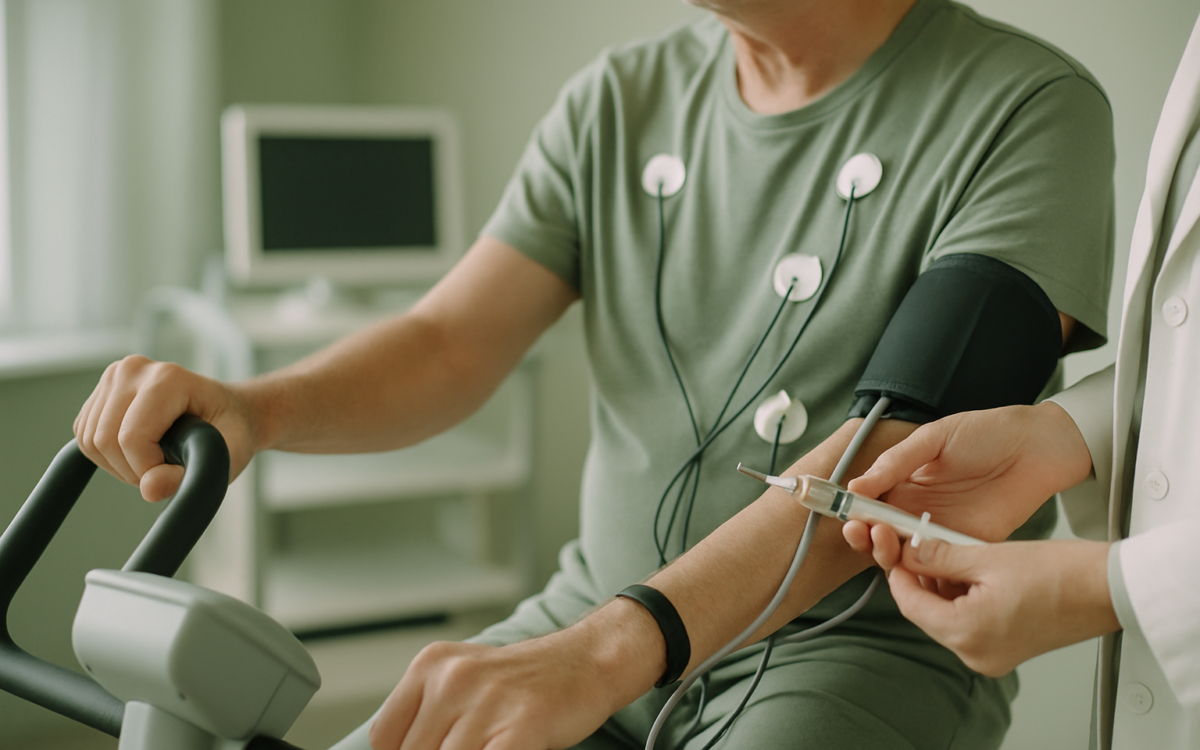
- Initial Setup: A nurse will place small electrode patches on your chest to monitor your heart’s activity. An intravenous (IV) line will be inserted into your arm for administering the medication.
- Inducing Stress: Once connected to the monitoring equipment, the medication will be given through the IV. Your heart rate and blood pressure will be monitored closely during the procedure.
- Imaging: After the medication has taken effect, pictures of your heart might be taken using echocardiography (ultrasound) or nuclear imaging to assess heart function.
- Post-Test Monitoring: After the test, you’ll be monitored for a short time to ensure your heart rate and blood pressure return to normal.
The entire process may take about two to three hours, so be prepared to spend some time at the facility.
Benefits and risks of a chemical stress test
The chemical stress test can provide valuable insights into your heart’s health, allowing for timely diagnosis and intervention if necessary. Some advantages of this test include:
- Safe for Limited Mobility: It is a safe alternative for individuals who cannot perform physical exercise.
- Precise Diagnostic Tool: It helps pinpoint issues that might not be visible through other tests.
- Immediate Results: Physicians can quickly assess your heart’s response, which aids in timely treatment decisions.
However, like all medical procedures, there are some risks involved, including:
- Allergic reactions to the medication.
- Temporary side effects such as headache, flushing, or dizziness.
It’s essential to discuss these risks with your doctor before the test to make an informed decision.
How to prepare for a chemical stress test
Preparation is an important part of ensuring accurate results from your chemical stress test. Here are some key steps to take:
- Discuss Medications: Talk to your doctor about any medications you’re taking, as some may need to be adjusted or temporarily stopped.
- Avoid Food and Drink: You may be asked not to eat or drink for a few hours before the test.
- Caffeine and Stimulants: Avoid caffeine and stimulants for at least 24 hours before the test, as they can affect heart rate.
Being well-prepared can help in making your experience smoother and ensuring the test’s effectiveness.
When to see a doctor
If you’re experiencing symptoms like chest pain, shortness of breath, or other concerning signs of heart issues, it’s crucial to consult your healthcare provider. They might recommend a chemical stress test or other diagnostic procedures to assess your situation. Regular check-ups can also help catch potential heart problems early on.
For further information on heart health, you can visit NIH or Mayo Clinic.
Conclusion
A chemical stress test is a valuable tool for assessing heart health, especially for those who cannot undergo regular exercise. Understanding its purpose, process, and preparation can help alleviate any anxiety you may have about the test. Always communicate with your healthcare provider to ensure you get the best care tailored to your needs.
