
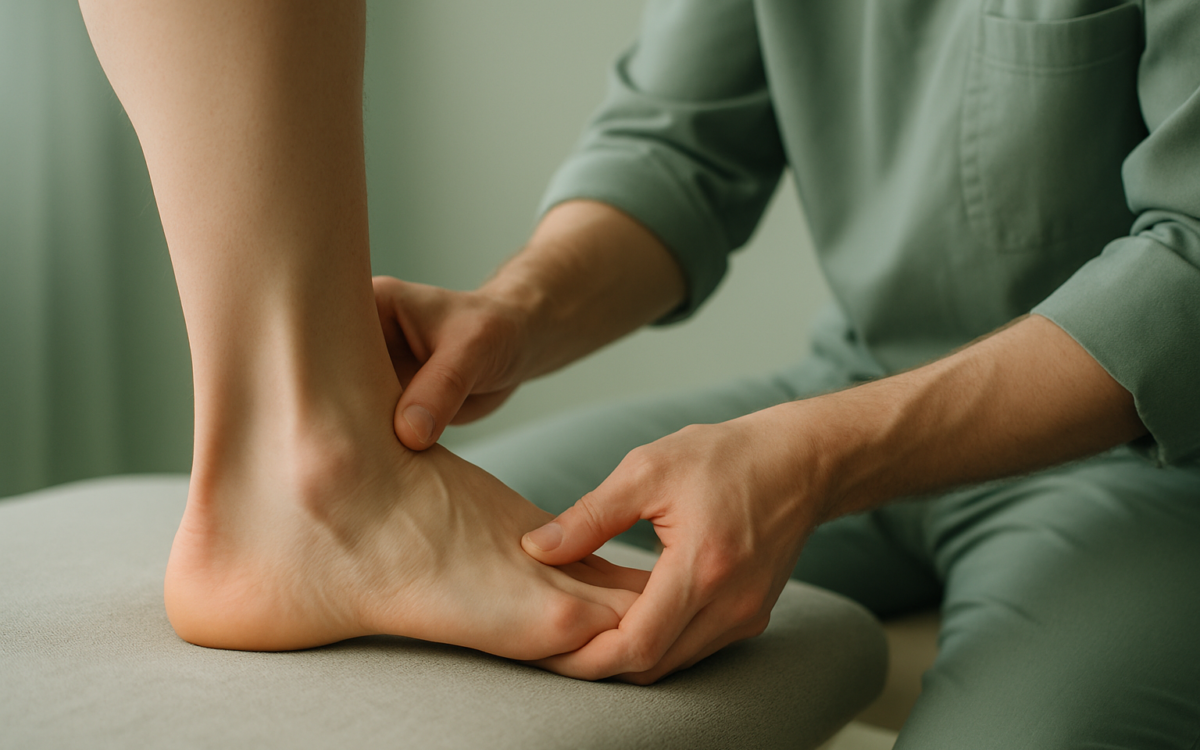
When it comes to foot health, many people focus on conditions like flat feet or high arches, but another factor that deserves attention is foot supination. Supination, also known as under-pronation, occurs when the weight shifts to the outer edge of the foot while walking or running. Understanding what supination is, its causes, and how it may affect your daily life can help you take proactive steps to maintain your foot health.
What Is Supination?
Supination refers to the outward roll of the foot during normal motion. The foot should ideally be able to absorb shock and allow for a smooth transition during movement. In supination, however, the mechanics of the foot change. This condition often leads to an increased tendency to roll the foot outward, which can affect how the body aligns and impacts overall balance.
Causes of Supination
Several factors can lead to foot supination. Understanding these can provide insights into your own foot mechanics:
- Genetics: Some people may inherit a tendency to supinate due to the structure of their feet and lower limbs.
- Foot Structure: Individuals with high arches are more likely to experience supination as it affects the way weight is distributed across the foot.
- Improper Footwear: Wearing shoes that are not designed to support your foot’s biomechanics can exacerbate supination.
- Weak Muscles: Weakness in certain muscle groups, especially those that support the ankle and foot, can lead to an unstable foundation, increasing the likelihood of supination.
Effects of Supination on the Body
Supination can lead to a series of complications that go beyond the feet:
- Increased Injury Risk: An outward roll of the foot can put stress on the ankles, knees, and hips, leading to injuries such as sprains, IT band syndrome, or runner’s knee.
- Postural Imbalances: Supination can affect your posture, potentially leading to back pain or discomfort as the hips and spine adapt to the altered foot position.
- Gait Alterations: Changes in your walking or running style can occur due to supination, which might not only affect your efficiency but also lead to further musculoskeletal issues.
Recognizing Symptoms of Supination
Being aware of the symptoms related to foot supination can help in identifying the condition early:
- Pain on the outer side of the foot
- Pain in the ankle or knee
- Frequent ankle sprains
- Wear patterns on shoes, especially on the outer edges
- Discomfort while walking or running
Managing Foot Supination
If you suspect that you or someone you know is experiencing supination, here are some strategies to help manage the condition:
- Proper Footwear: Invest in shoes designed for supination. These typically feature extra cushioning, support, and a wider toe box to accommodate your foot’s natural shape.
- Orthotics: Custom orthotics can provide additional arch support and cushioning, guiding the foot toward a more neutral position and reducing strain.
- Strengthening Exercises: Engage in exercises that target the foot and ankle muscles to improve stability. Simple routines that include calf raises or toe curls can be beneficial.
- Stretching: Stretching the calf muscles and Achilles tendon can help alleviate some of the discomfort associated with supination.
Foot Supination in Athletes
Athletes can be particularly affected by supination. The high-impact nature of sports like running and basketball can amplify the risks of injury associated with this condition. Coaches and trainers should emphasize the importance of proper footwear and regular gait assessments to help athletes reduce their injury risk. Athletes may also benefit from tailored strength and conditioning programs to improve their overall foot and ankle support.
Preventative Measures
Here are some simple tips to help prevent foot supination, particularly if you’re at risk:
- Choose the Right Shoes: Always look for shoes that promote stability and cushioning tailored to your foot type.
- Stay Active: Regular physical activity and specific foot exercises can help maintain strength and flexibility in the feet, supporting proper alignment.
- Consult a Specialist: If you’re unsure about your foot type or experience pain, seeing a podiatrist or physical therapist can provide valuable insights and advice.
When to See a Doctor
If you’re experiencing persistent foot pain, discomfort while walking, or frequent injuries that may be related to foot supination, it’s important to consult a healthcare provider. A specialist can perform a detailed assessment and suggest tailored strategies to help you manage your condition effectively and prevent further complications.
In conclusion, understanding foot supination is essential for maintaining your walking and running efficiency, preventing injuries, and optimizing your overall health. By acknowledging the signs, seeking proper footwear, and adopting preventative measures, you can take control of your foot health.
