
The albumin-globulin ratio is a significant indicator of health that is often discussed during blood tests. Although many may not be familiar with what it means, understanding this ratio can provide insights into several aspects of a person’s health. A high albumin-globulin ratio can indicate underlying health issues that might need attention. In this article, we will explore what this ratio is, its possible causes, how it is measured, and when it’s essential to seek medical advice.
What Is Albumin and Globulin?
Before diving into the ratio, let’s clarify what albumin and globulin are. Both are types of proteins found in the blood, and they play crucial roles in the body’s functioning.
Albumin
Albumin is a protein produced by the liver. It helps maintain the oncotic pressure of blood, which is vital for keeping the blood and fluids in the right proportions. Albumin also transports various substances, such as hormones, vitamins, and drugs. Low levels of albumin can lead to swelling and fluid buildup in various parts of the body.
Globulin
Globulins are a group of proteins in the blood that include enzymes and antibodies. They are critical for immune function and help fight off infections. Globulin levels in the blood can fluctuate based on a variety of factors, including liver function and immune system activity.
Understanding the Albumin-Globulin Ratio
The albumin-globulin ratio (A/G ratio) is calculated by dividing the level of albumin by the level of globulin in the blood. Typically, normal A/G ratios range from 1.0 to 2.0. Higher ratios may signal certain health conditions, while lower ratios can indicate other medical issues.
What Does a High Albumin-Globulin Ratio Mean?
A high albumin-globulin ratio can suggest a variety of conditions. Here are some possible explanations:
- Dehydration: When the body loses water, the concentration of albumin can increase, resulting in a higher ratio.
- High protein intake: Consuming more protein than your body needs can also raise albumin levels and affect the A/G ratio.
- Chronic liver disease: In some cases, a higher A/G ratio can suggest liver function issues. Since the liver produces albumin, liver dysfunction can significantly impact protein levels.
- Certain cancers: Some hematological disorders, like multiple myeloma, can influence protein levels in the blood, thus impacting the A/G ratio.
It is essential to consider these factors and investigate further if you have a high albumin-globulin ratio.
How Is the Albumin-Globulin Ratio Tested?
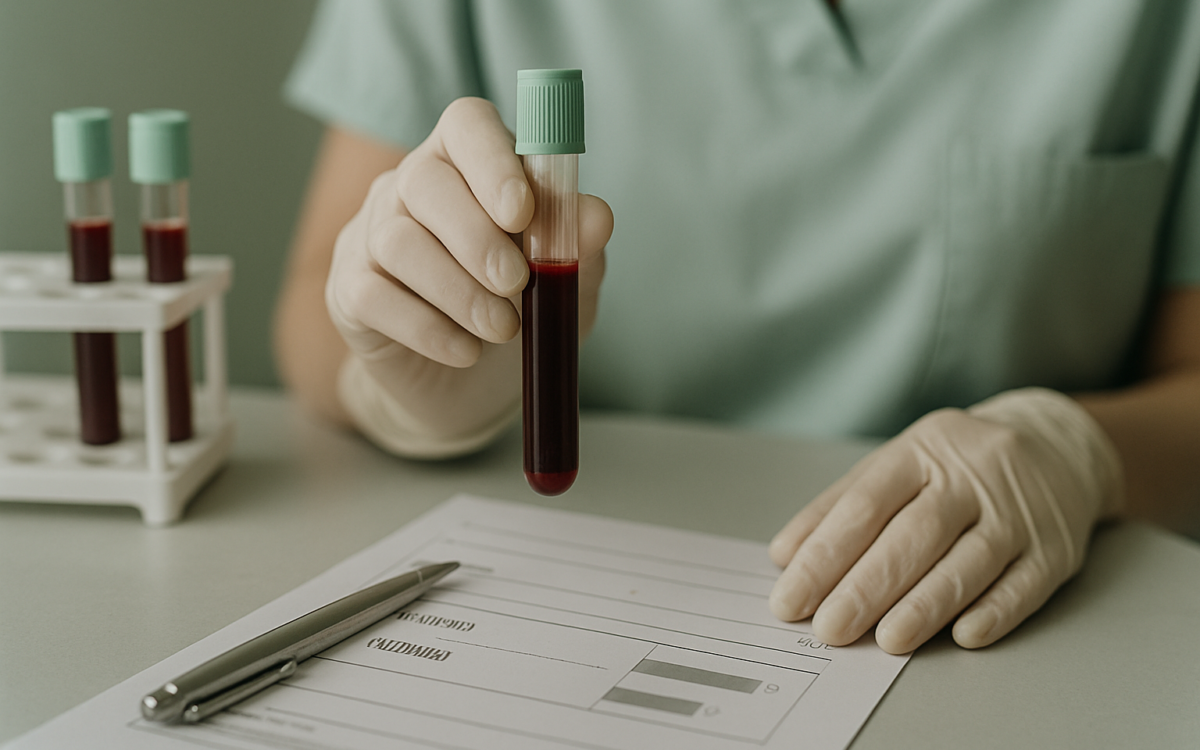
The albumin-globulin ratio is computed during a comprehensive metabolic panel (CMP) or a liver function test (LFT). These tests measure your overall health by assessing various substances in your blood. Collecting a blood sample is a straightforward process, often done in a healthcare setting.
Potential Health Implications
A high albumin-globulin ratio can indicate several conditions, but it may not provide the complete picture on its own. It is crucial to interpret this measurement alongside other health indicators and symptoms. Your healthcare provider will consider your medical history, additional test results, and current health conditions before making any conclusions.
While a high A/G ratio can point to specific issues, here are some broader health implications you might need to discuss with your doctor:
- Impact on kidney function: The kidneys play a significant role in maintaining protein levels in the blood. High albumin levels while globulin levels are low could indicate a problem with kidney filtration.
- Immune system status: Since globulins include antibodies, discrepancies in this ratio might suggest an issue with your immune system, such as a deficiency or disorder.
- Nutrition status: Both low albumin and globulin levels can signify malnutrition or issues with nutrient absorption.
When to See a Doctor
If you receive results indicating a high albumin-globulin ratio, it’s advisable to consult your healthcare provider. They can help you interpret the results in the context of your overall health and guide you on the next steps. Pay attention to any accompanying symptoms you may experience, such as unexplained weight loss, fatigue, swelling, or frequent infections, and share these with your doctor.
Conclusion
Understanding the implications of a high albumin-globulin ratio is crucial for maintaining your health. This ratio can offer insights into various bodily functions and underline potential health issues that require attention. By staying informed and consulting with healthcare professionals, you can work towards a healthier future.
For more information on albumin and globulin, visit reputable sources like the NIH or the Mayo Clinic for evidence-based content.
