
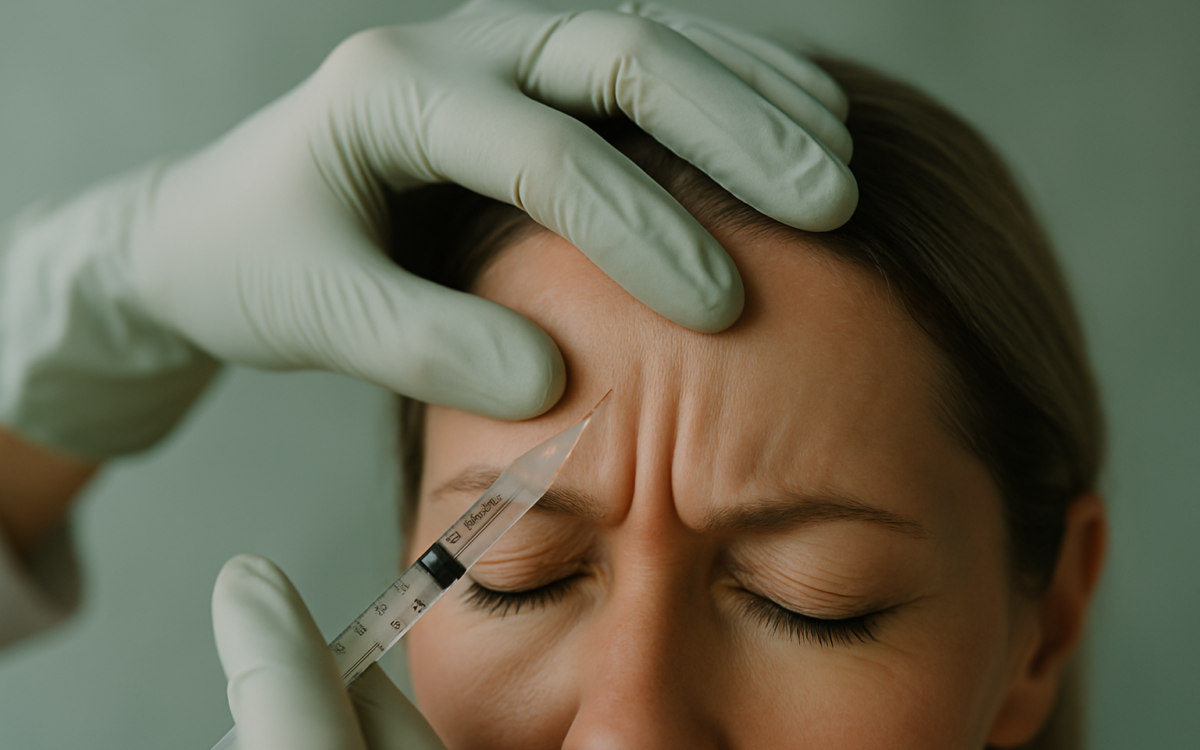
Frown lines, also known as glabellar lines, are those pesky wrinkles that form between your eyebrows and can make you appear angry or tired, even when you’re feeling quite the opposite. Many people are turning to Botox as a way to smooth these lines and achieve a more youthful appearance. But what exactly is Botox, and how does it work to diminish frown lines? Let’s explore this popular cosmetic treatment.
What is Botox?
Botox, short for botulinum toxin, is a neurotoxic protein produced by the bacterium Clostridium botulinum. In small, controlled doses, it is used medically and cosmetically to block nerve signals to the muscles, thereby temporarily paralyzing them. This effect helps to reduce the appearance of wrinkles and fine lines, including those stubborn frown lines.
How Does Botox Work on Frown Lines?
When injected into the targeted area, Botox works by relaxing the muscles that cause frown lines. These lines typically form due to repeated movements, such as furrowing your brow when concentrating or expressing frustration. By easing the muscle contractions, Botox can soften the appearance of these lines, providing a smoother and more refreshed look.
The Procedure: What to Expect
The Botox procedure for frown lines is relatively quick and straightforward. Here’s what you can generally expect:
- Consultation: Before the procedure, you will have a consultation with a qualified healthcare provider to discuss your goals and concerns.
- Preparation: The provider may cleanse the area and apply a topical anesthetic to minimize discomfort during the injections.
- Injections: Using a fine needle, the provider will inject Botox into specific muscles responsible for frown lines.
- Post-treatment: After the injections, you can usually return to your normal activities immediately, although some redness or swelling may occur at the injection sites.
Most patients report minimal discomfort during the procedure. The effects of Botox typically begin to manifest within a few days, with results lasting from three to six months, depending on individual factors and the amount used.
Benefits of Using Botox for Frown Lines
Botox offers several benefits for those looking to reduce the appearance of frown lines:
- Quick Results: Many people love that they can see improvements shortly after treatment.
- Non-surgical: Botox is a non-invasive procedure, meaning no surgical cuts or significant recovery time is involved.
- Temporary Effects: If you decide you don’t want to continue treatment, the effects wear off over time.
Additionally, Botox can be used to prevent deeper lines from forming, making it a popular choice among younger adults seeking to maintain smooth skin.
Risks and Considerations
While Botox is generally considered safe for cosmetic use, there are some risks and considerations to keep in mind:
- Possible Side Effects: Side effects can include swelling, bruising, or mild pain at the injection site. Some people may also experience headaches or temporary drooping of nearby muscles.
- Need for Regular Treatments: Frown lines will gradually reappear as the Botox wears off. Regular treatments are necessary to maintain results.
- Qualified Professionals: It is crucial to have your injections performed by a qualified and experienced healthcare provider to minimize risks and achieve optimal results.
For more detailed information on the safety and efficacy of Botox, you can refer to reputable sources like the National Institutes of Health (NIH) or the Mayo Clinic.
Who Should Consider Botox?
Botox may be suitable for adults who are healthy and looking to reduce the appearance of frown lines. If you are new to cosmetic procedures or uncertain about the process, consider the following:
- Age: Most patients seeking Botox are between 30 and 60 years old, although some younger adults also opt for preventive measures.
- Skin Type: Everyone’s skin is different. Those with lighter, thinner skin may notice frown lines more than people with thicker skin.
- Health Conditions: Certain conditions or medications may interact with Botox, so discussing your medical history with your provider is essential.
When to See a Doctor
If you are considering Botox for frown lines, consult with a qualified healthcare provider first. It’s essential to discuss your goals, any medical conditions, and potential allergies to ensure you are a good candidate for the procedure. If you experience unusual side effects after treatment, such as persistent pain, weakness, or vision changes, seek medical attention promptly.
Conclusion
Botox has become a popular option for individuals looking to smooth out frown lines and achieve a more youthful appearance. Understanding how it works, what to expect, and potential risks will help you make informed choices. Always consult with a licensed healthcare provider to ensure that you are safe and comfortable with your decision. Whether you opt for Botox or explore other wrinkle treatments, beauty and confidence come from feeling good in your own skin.
