
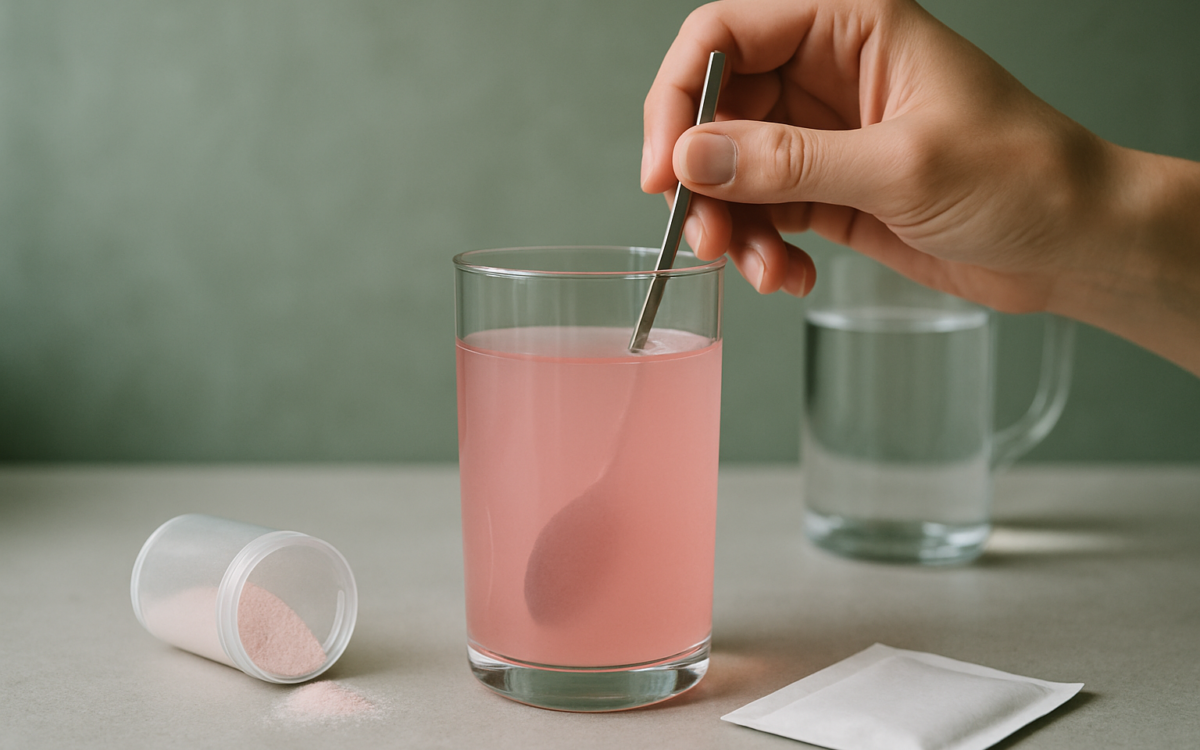
In a world where staying hydrated can feel like a chore, flavored drinks like Crystal Light have gained popularity as a low-calorie alternative to sugary beverages. This drink mix, known for its fruity flavors and convenience, claims to enhance the drinking experience without piling on calories. But is this powdered drink mix really the innocent refreshment it appears to be? Let’s dig deeper to uncover the facts behind Crystal Light and assess whether it’s truly good for your health.
What’s in Crystal Light?
To understand the health implications of Crystal Light, it’s essential to know what this drink mix contains. Crystal Light is often marketed as a sugar-free beverage option that is rich in flavor. The main ingredients typically include:
- Artificial Sweeteners: Crystal Light is primarily sweetened with aspartame, sucralose, or acesulfame potassium, depending on the variety.
- Citric Acid: This ingredient enhances flavor and preserves the shelf life of the product.
- Coloring Agents: These provide the vibrant colors associated with various flavors.
By using artificial sweeteners instead of sugar, Crystal Light boasts a minimal calorie count, which can be appealing for those watching their weight. But while it offers a way to enjoy flavored beverages without the calories, it’s critical to consider how these ingredients can affect your health.
Are Artificial Sweeteners Safe?
The main question many people have around products like Crystal Light is whether artificial sweeteners are safe for consumption. Studies have produced mixed findings regarding the long-term effects of artificial sweeteners on health.
According to the National Institutes of Health, research suggests that most people can safely consume artificial sweeteners within established acceptable daily intake levels. However, some studies indicate potential links between long-term usage and adverse health outcomes, such as metabolic disorders, changes in gut bacteria, and even an increased risk of cardiovascular disease. While the evidence isn’t conclusive, it raises valid concerns about overconsumption and reliance on these sweeteners.
Crystal Light and Weight Management
One of the reasons people are drawn to Crystal Light is its appeal as a weight management tool. A low-calorie drink can help curb cravings for sugary beverages without adding extra calories to your diet. However, some studies suggest that artificial sweeteners may lead to weight gain in certain individuals. This paradox can occur due to several reasons:
- Increased Appetite: Some research indicates that consuming sweeteners may trigger cravings for sweeter foods, leading to increased overall calorie intake.
- Taste Preference Changes: Regular consumption of artificially sweetened beverages can alter taste preferences, making naturally sweet foods, like fruits, less appealing.
While Crystal Light may help with hydration, it is essential to monitor your overall diet and not rely solely on caloric-free drinks for weight management.
Hydration Concerns
Hydration is crucial for overall health, and flavored drinks like Crystal Light can make drinking water more enjoyable. However, there are a few considerations:
- Caffeine Content: Some varieties of Crystal Light contain caffeine, which can lead to dehydration if consumed in excess.
- Additives: The presence of ingredients like citric acid and artificial flavors may cause stomach discomfort in some individuals when consumed in large quantities.
For most individuals, moderate consumption of Crystal Light can contribute to daily hydration. Still, it is vital to balance it with plain water and be attentive to how your body reacts to these added ingredients.
Potential Allergies and Sensitivities
As with many food products, allergies and sensitivities can arise with consumption. While rare, some people may experience allergic reactions to components in Crystal Light, particularly artificial sweeteners or food dyes. Symptoms can include:
- Headaches
- Gastrointestinal issues
- Rashes or skin irritation
If you notice any adverse effects after consuming flavored drinks, it may be wise to consult a healthcare professional or consider switching to natural alternatives.
When to See a Doctor
If you find yourself experiencing uncomfortable symptoms after consuming Crystal Light or other artificially sweetened products, it’s important to consult a doctor. Additionally, you should reach out to a healthcare professional if you have specific health conditions, such as:
- Phenylketonuria (PKU), a rare genetic disorder that affects the metabolism of phenylalanine, an amino acid in aspartame.
- Suspected food allergies.
Your doctor can provide personalized guidance based on your health history and dietary needs.
Conclusion
Crystal Light can be an appealing beverage for those seeking a flavorful, low-calorie alternative to sugary drinks. While it is generally considered safe for most people when consumed in moderation, the long-term effects of artificial sweeteners are still being studied. It’s essential to balance your approach to hydration by incorporating plain water and being mindful of your overall diet. If you have concerns or experience any adverse symptoms, consulting a healthcare professional is always a good idea to help you make the best choices for your health.
