
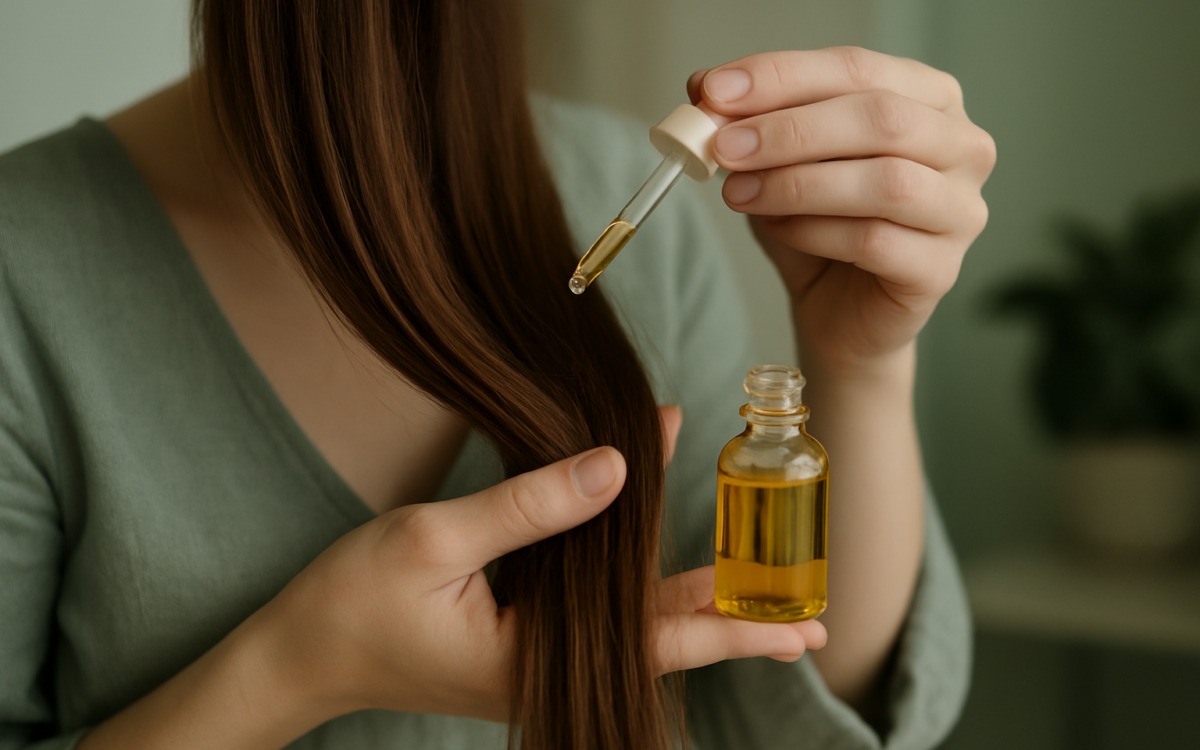
When it comes to hair care, many individuals are seeking natural alternatives to promote growth and overall health. Essential oils have emerged as popular remedies, praised for their aromatic properties and potential benefits for hair growth. These concentrated plant extracts offer a variety of nutrients and compounds that may stimulate hair follicles, improve scalp health, and address some causes of hair thinning. Let’s dive into how essential oils can support your hair growth journey.
What Are Essential Oils?
Essential oils are highly concentrated liquids obtained from various parts of plants, including leaves, flowers, stems, and roots. These oils capture the plant’s scent and flavor, also known as the plant’s essence. Each essential oil has unique properties and potential benefits, making them valuable allies in holistic health practices.
The Science Behind Essential Oils and Hair Growth
While research on essential oils for hair growth is still emerging, several studies suggest they may offer promising results. Essential oils contain bioactive compounds that can enhance circulation, reduce inflammation, and support hair follicle function. For example, some oils possess antibacterial properties, which can help maintain a healthy scalp environment—crucial for optimal hair growth.
Top Essential Oils for Encouraging Hair Growth
Here are some essential oils renowned for their potential to promote hair growth:
- Lavender Oil: Known for its calming properties, lavender oil has been shown in some studies to promote hair growth and increase the number of hair follicles. Its soothing scent can also help reduce stress and anxiety, which can contribute to hair loss.
- Rosemary Oil: Often heralded as one of the best oils for hair health, rosemary oil may improve circulation to the scalp. A study found that participants who applied rosemary oil experienced significant hair growth compared to those who used a placebo. This could be due to its ability to improve blood flow and nutrient delivery to hair follicles.
- Peppermint Oil: This invigorating oil not only smells refreshing but also has been shown to enhance hair thickness due to increased blood circulation. One study indicated that peppermint oil could help with hair regrowth, making it a popular choice for those experiencing thinning hair.
- Tea Tree Oil: Known for its antifungal and antibacterial properties, tea tree oil can help keep the scalp healthy by addressing dandruff and other issues that hinder hair growth. A healthy scalp can support hair follicles and promote a thicker appearance.
- Clary Sage Oil: This oil contains compounds that may balance hormones, potentially contributing to healthier hair growth. Some sources suggest that clary sage oil can increase hair strength and enhance overall hair texture.
How to Use Essential Oils for Hair Growth
Integrating essential oils into your hair care routine can be simple and enjoyable. Here are a few methods:
Massage
Incorporate essential oils into a scalp massage. Mix a few drops of your chosen essential oil with a carrier oil, such as coconut or jojoba oil, and gently massage the mixture into your scalp. This not only allows for better absorption of the oils but also stimulates blood flow.
Shampoo Additive
You can also add a few drops of essential oil to your regular shampoo or conditioner. This will help infuse your hair products with the oil’s beneficial properties, enhancing their effectiveness.
Hair Masks
Combine essential oils with natural ingredients for a nourishing hair mask. For example, mix avocado or honey with rosemary oil for a DIY treatment that not only boosts hair growth but also moisturizes and strengthens your hair.
Safety Precautions When Using Essential Oils
While essential oils offer potential benefits, it’s important to use them safely:
- Dilution: Always dilute essential oils with a carrier oil before applying them to your scalp, as they are potent and can cause irritation when used undiluted.
- Patch Test: Conduct a patch test before widespread use. Apply a small amount of the diluted oil to a sensitive area of your skin to check for any allergic reactions.
- Consult Your Doctor: If you have existing health conditions or are pregnant, consult your healthcare provider before integrating new essential oils into your routine.
When to See a Doctor
If you’re experiencing significant hair loss or changes in your hair’s texture, it may be time to consult a healthcare professional. Conditions such as hormonal imbalances, scalp infections, or other underlying health issues could require medical treatment. Your doctor can help identify the cause of hair loss and recommend appropriate therapies that may include lifestyle changes, medications, or advanced treatments.
Conclusion
Essential oils can serve as a natural option for enhancing hair growth while contributing to overall scalp health and wellness. While individual results may vary, incorporating these aromatic oils into your hair care routine can be a delightful addition. Remember to use them safely and consult your doctor for any persistent concerns regarding hair loss. With the right approach, essential oils may bring you closer to your hair growth goals.
