
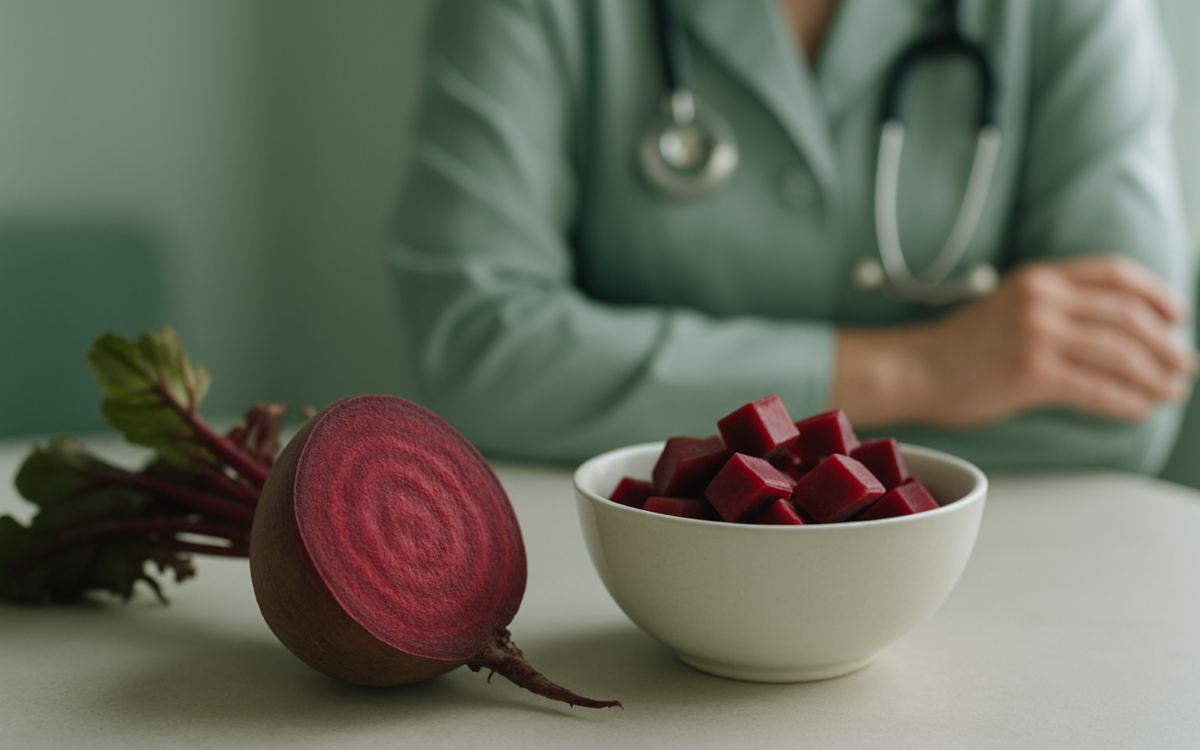
Beetroot, or beets, are often overlooked in the vegetable aisle, but this vibrant root has gained popularity for its remarkable health benefits. Not only is it a staple in salads and juices, but beetroot is also celebrated for its potential to improve various aspects of health. So, is beetroot good for you? Let’s explore the nutrition it offers and the benefits you may gain from including this colorful food in your diet.
Rich in Nutrients
Beetroot is a nutritional powerhouse. It is low in calories but high in essential vitamins and minerals. A typical serving of beetroot includes:
- Vitamins: Particularly rich in folate, which is important for cell division and DNA synthesis.
- Minerals: Beets provide potassium, which is key for nerve function and muscle contraction.
- Antioxidants: Beets contain betalains, which are natural antioxidants that help protect cells from damage.
- Fiber: A good source of dietary fiber, which aids digestion and promotes gut health.
This nutrient density makes beetroot an excellent addition to a balanced diet.
Promotion of Heart Health
Research suggests that beetroot can have a positive impact on heart health. The natural nitrates in beets have been shown to help widen blood vessels (vasodilation), potentially leading to improved blood flow and reduced blood pressure. A study published in the journal Circulation Research found that beetroot juice may help lower blood pressure in individuals, which is vital for reducing the risk of heart disease.
Improving Athletic Performance
Athletes have increasingly turned to beetroot as a performance booster. The nitrates found in beetroot have been linked to enhanced exercise performance by improving stamina and endurance. Studies indicate that consuming beetroot juice may increase the efficiency of muscles during exercise, as outlined in a review in the Journal of the International Society of Sports Nutrition.
Whether you’re an athlete or someone who enjoys physical activity, incorporating beetroot could help you push through your workout more effectively.
Supporting Digestive Health
The fiber content in beetroot plays a crucial role in promoting digestive health. Adequate fiber intake is essential for good digestion, helping to prevent constipation and promote regular bowel movements. Additionally, beetroot contains compounds that may act as prebiotics, supporting the growth of beneficial gut bacteria. A healthy gut is linked to many health benefits, including better immunity and mental health.
Potential Cancer-Fighting Properties
Some studies suggest that beetroot may have anti-cancer properties due to its high levels of antioxidants. Compounds found in beetroot, like betalains, may help to combat oxidative stress and inflammation, both of which can contribute to cancer development. While more research is needed, initial findings from peer-reviewed articles indicate that including foods rich in antioxidants can be part of a cancer-preventive diet.
Ways to Incorporate Beetroot into Your Diet
Now that you know how beneficial beetroot can be, you might be wondering how to include it in your meals. Here are some delicious ideas:
- Salads: Add sliced or grated beetroot to salads for a sweet and earthy flavor.
- Juices and Smoothies: Blend beetroot with fruits and vegetables for a refreshing drink.
- Roasted: Roasting brings out the natural sweetness of beets. Serve them as a side dish.
- Soups: Try borscht, a traditional beet soup, for a warm and comforting meal.
- Pasta: Beetroot can be pureed and incorporated into pasta dough for a colorful twist.
Experimenting with beetroot in your meals can add not just flavor but also a wealth of nutrients.
When to See a Doctor
While beetroot is generally safe for most people, it’s a good idea to consult a healthcare provider if you experience unusual symptoms after consuming it, especially digestive issues or any allergic reactions. Additionally, if you have conditions like kidney stones or are on medication for blood pressure, talk to your doctor regarding your beetroot intake due to its high oxalate content and effects on blood pressure.
In conclusion, beetroot is indeed good for you and offers a variety of health benefits. From supporting heart health and digestibility to potentially aiding athletic performance, this vibrant vegetable is a star in the world of nutrition. Incorporate it into your meals and enjoy its colorful contribution to your diet!
