
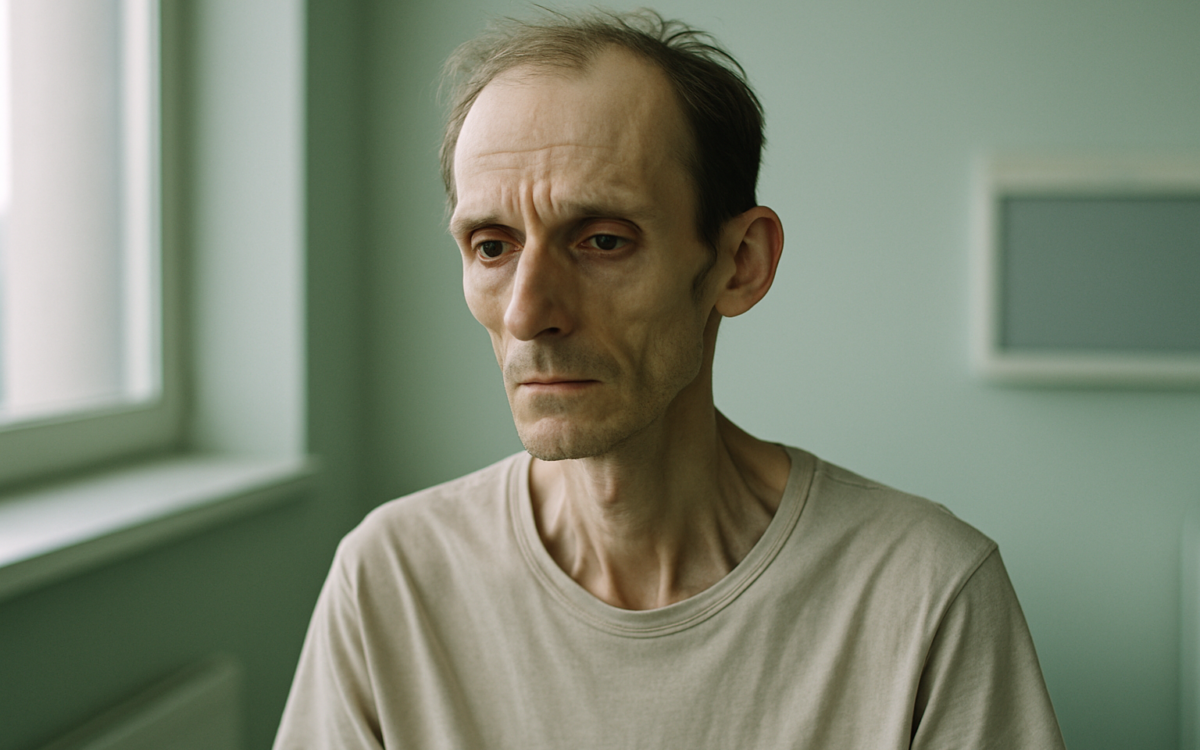
A gaunt face can often raise concerns, whether it’s due to dramatic weight loss, illness, or other health issues. This hollowed appearance may indicate something that requires attention. In this article, we will explore the various causes of a gaunt face, possible implications for health, and when it might be time to consult a healthcare professional.
What Does a Gaunt Face Indicate?
A gaunt face is typically characterized by prominent bones in the cheeks, jaw, and forehead, accompanied by a sunken appearance in the cheeks. While it can be a natural part of aging, it can also reflect significant underlying health concerns. Understanding the context is crucial.
Common Causes of a Gaunt Face
There are several potential causes for a gaunt facial appearance, including but not limited to:
- Weight Loss: Significant and rapid weight loss can lead to loss of facial fat, giving a gaunt appearance. This can result from various factors, including dietary choices, exercise routines, or health conditions.
- Malnutrition: Inadequate nutrient intake can affect overall body health and lead to noticeable changes in facial structure. This is especially common in populations with limited access to nutritious foods.
- Chronic Illness: Conditions such as cancer, thyroid disorders, or chronic obstructive pulmonary disease (COPD) can lead to weight loss and a gaunt appearance due to their impact on metabolism and appetite. According to the National Institutes of Health (NIH), chronic diseases often lead to cachexia, a syndrome characterized by loss of muscle and fat.
- Mental Health Issues: Disorders like depression and anxiety can reduce appetite, leading to weight loss and a gaunt facial look. It’s important to consider psychological well-being alongside physical health.
- Genetics: For some people, a naturally slim face and prominent bone structure are simply part of their genetic makeup.
The Impact of Aging on Facial Features
As we age, our skin loses elasticity and fat volume, which can result in a gaunt appearance. The subcutaneous fat that helps the face look fuller diminishes over time, making bones more pronounced. While this aging process is normal, sudden changes in appearance, particularly if linked to weight loss, should be evaluated by a healthcare provider.
Assessing Your Nutrition
Inadequate nutrition can lead to a gaunt face and other health issues. A balanced diet rich in proteins, vitamins, and healthy fats supports not only your facial appearance but overall health. Here are some quick tips for ensuring you’re getting the right nutrients:
- Protein: Incorporate lean meats, legumes, fish, and dairy into your diet.
- Fruits and Vegetables: Aim for a variety of colors to ensure you receive a wide range of vitamins and minerals.
- Healthy Fats: Include sources like avocados, nuts, and olive oil for healthy energy and skin health.
Consulting with a dietitian may provide personalized guidance based on your individual health needs.
When a Gaunt Face Signals a Health Concern
While a gaunt face can simply reflect natural aging or lifestyle choices, it’s essential to monitor changes that seem sudden or are accompanied by other symptoms. If you notice:
- Rapid weight loss without trying
- Persistent fatigue
- Appetite changes
- Physical weakness
These may be signs of an underlying health issue that requires medical evaluation. According to the Mayo Clinic, it’s crucial not to ignore physical changes, particularly if they cause distress or impact your quality of life.
When to See a Doctor
If you or someone you know has developed a gaunt face and is experiencing concerning symptoms, it’s advisable to see a doctor. Reasons to schedule a visit include:
- Unexplained weight loss
- Finishing meals less often than before
- Social withdrawal or signs of depression
- Signs of dehydration or weakness
A healthcare provider can conduct a thorough assessment, including history taking and possibly recommending tests to understand the underlying cause.
Conclusion
A gaunt face can be a significant visual sign of health issues, but it’s essential to consider the broader context. Whether it arises from a combination of lifestyle choices, aging, or underlying medical concerns, monitoring these changes is key. In cases of sudden or severe changes, consulting a healthcare professional is an essential step toward understanding and addressing the causes. Remember, you deserve to feel your best and should not hesitate to seek help when needed.
