
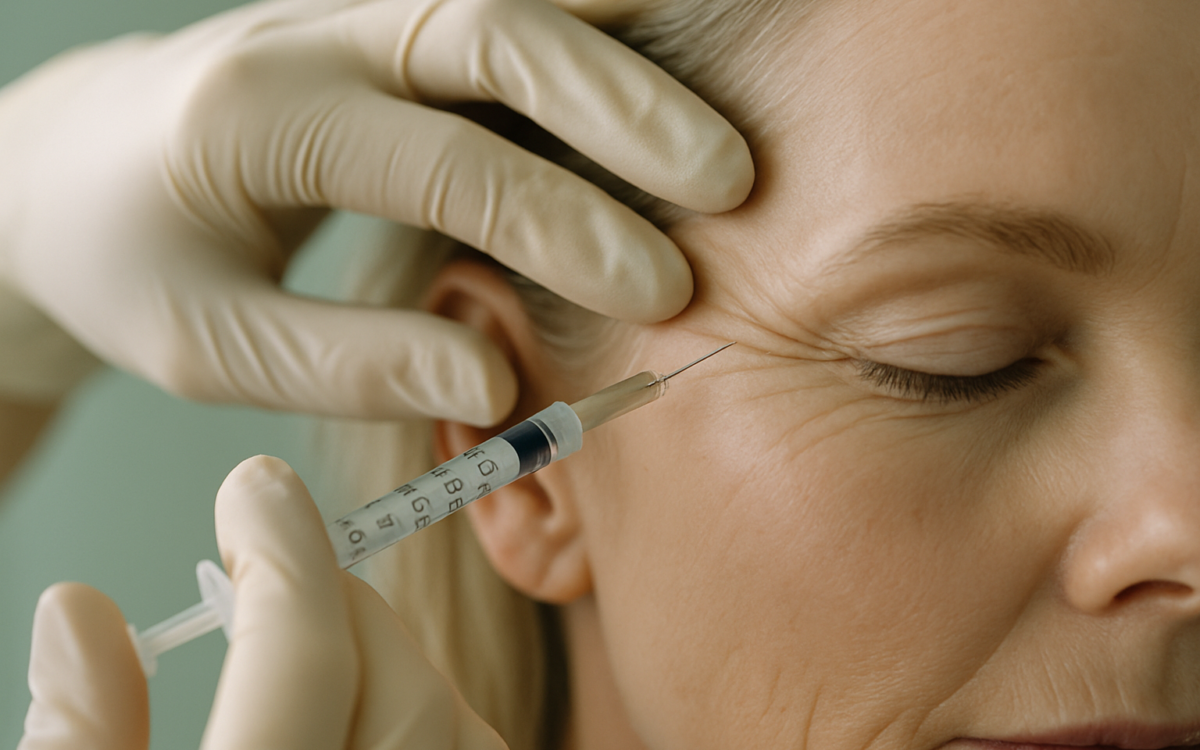
As we age, the natural process of losing skin elasticity can result in the formation of fine lines and wrinkles around the eyes, commonly referred to as crow’s feet. These delicate lines can appear even in our 20s, and many of us seek effective solutions to maintain a youthful look. One popular option is Botox, a treatment that temporarily relaxes the muscles responsible for creating these wrinkles. In this article, we delve into what Botox for crow’s feet entails, including how it works, potential risks, and what to expect during and after treatment.
Understanding Crow’s Feet
Crow’s feet are those small wrinkles and fine lines that develop at the outer corners of the eyes. They can be caused by various factors, including sun damage, smoking, and, of course, the natural aging process. The skin loses collagen and elastin, two vital proteins that help keep the skin firm and supple.
How Botox Works
Botox, short for Botulinum toxin, is a neurotoxic protein that temporarily blocks signals from the nerves to the muscles. When injected into specific muscles around the eyes, it causes them to relax, which reduces the appearance of wrinkles. The procedure is relatively quick, often taking less than 30 minutes, and can be performed in a doctor’s office.
Is Botox Right for You?
Botox is generally considered safe and effective for reducing the appearance of crow’s feet in healthy adults. However, there are some factors to consider:
- Age: While most people receiving Botox are in their 30s and older, younger individuals may also seek it for preventive reasons.
- Skin Type: The effectiveness of Botox can vary from person to person depending on skin type and age.
- Previous Treatments: If you’ve used other cosmetic treatments, inform your provider as they may affect the results.
It’s essential to discuss your goals and concerns with your doctor to determine if Botox is a suitable option for you.
What to Expect During Treatment
Before your Botox treatment, a healthcare provider will conduct an assessment to discuss your medical history and expected results. The procedure itself involves:
- Preparation: The area around your eyes will be cleaned and may be numbed with a topical anesthetic.
- Injection: Using a fine needle, Botox will be injected into the targeted muscles in small amounts.
- Post-treatment Care: You may be advised to avoid strenuous activities and lying down for a few hours after treatment.
Most patients report minimal discomfort, often likening it to a small pinch. You might see results within a few days, with full effects becoming visible after about two weeks.
Potential Risks and Side Effects
While Botox is generally safe, there are potential risks and side effects to be aware of:
- Common Side Effects: These may include temporary bruising, swelling, or redness at the injection site.
- Uncommon Risks: In rare cases, some people might experience drooping eyelids or uneven facial expressions.
- Allergic Reactions: Although uncommon, it is still possible to have an allergic reaction to Botox.
It’s important to choose a qualified healthcare provider to minimize risks. If you experience any unusual side effects, contact your doctor right away.
Maintaining Results
The effects of Botox for crow’s feet typically last between three to six months, after which you may choose to undergo additional treatments. To prolong the results, consider the following:
- Sun Protection: Protect your skin from sun exposure, as UV rays can accelerate aging.
- Skincare Routine: Incorporate a good skincare routine with products that promote hydration and collagen production.
- Healthy Lifestyle: Eating a balanced diet, staying hydrated, and avoiding smoking can improve skin health.
Regular follow-up appointments with your healthcare provider are essential for monitoring your treatment plan and adjusting as necessary.
When to See a Doctor
If you’re considering Botox for crow’s feet, it’s crucial to consult a qualified professional. Look for a dermatologist or plastic surgeon with proven experience in cosmetic procedures. Signs you should seek medical help include:
- Persistent pain or swelling at the injection site
- Eye drooping that does not improve within a few hours
- Difficulty closing your eyes or other unusual symptoms
Your health and safety should always come first, so don’t hesitate to reach out to your provider with any concerns.
Conclusion
Botox can be an effective solution for reducing the appearance of crow’s feet, helping you restore a youthful look and confidence. By understanding the procedure, potential risks, and how to maintain results, you’ll be better equipped to make informed decisions about your skincare. Always consult with a healthcare provider to ensure that Botox is the right choice for your cosmetic needs.
