
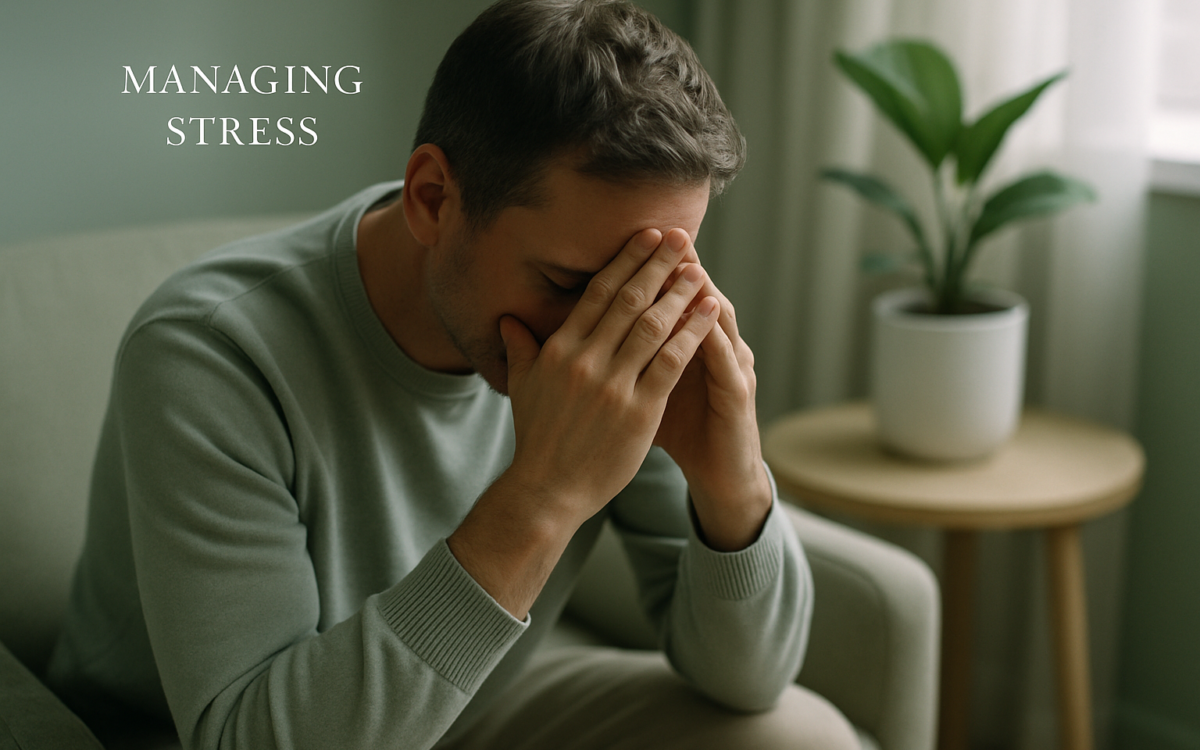
Stress is a natural part of life, but when it feels overwhelming, it can negatively impact our health and happiness. Whether caused by work deadlines, family responsibilities, or health concerns, finding ways to manage stress is crucial. The good news is that there are many strategies you can incorporate into your daily routine to help you feel more in control and at ease.
Understanding Stress
Before diving into stress management techniques, it’s essential to understand what stress is. Stress is the body’s response to any demand or challenge, and it can come in various forms, including physical, emotional, and mental stress. According to the National Institute of Mental Health, some stress can even be motivating, pushing us to meet deadlines or perform well in high-pressure situations. However, too much stress can affect our health and well-being, leading to issues like anxiety, depression, and chronic health conditions.
Embracing Mindfulness and Relaxation Techniques
Mindfulness and relaxation techniques can be powerful tools in managing stress. These practices help ground you in the present moment, reducing anxiety about the past or future.
Mindfulness
Mindfulness involves paying full attention to your thoughts and feelings without judging them. You can practice mindfulness through meditation, yoga, or simply taking a few moments each day to focus on your breath. Studies show that regular mindfulness practice can lower stress levels and improve overall emotional health. You can find guided mindfulness exercises at resources like the World Health Organization.
Relaxation Techniques
Techniques such as deep breathing, progressive muscle relaxation, and visualization can help reduce tension in your body and calm your mind. Consider the following:
- Deep Breathing: Find a quiet space, sit comfortably, and take slow, deep breaths. Inhale through your nose, allowing your abdomen to expand, and then slowly exhale through your mouth.
- Progressive Muscle Relaxation: Tense and then relax each muscle group in your body, starting from your toes and working your way up to your head.
- Visualization: Imagine a peaceful setting, such as a beach or forest, and visualize yourself there, fully experiencing the sights and sounds.
Physical Activity: A Natural Stress Reliever
Exercise is one of the best ways to relieve stress. When you engage in physical activity, your body releases endorphins, chemicals that improve your mood and reduce pain perception. You don’t have to run a marathon; even moderate activities like walking, dancing, or gardening can make a difference in your stress levels.
Finding an Activity You Enjoy
The key to making exercise work for you is to find an activity you enjoy. Whether it’s a group class, hiking in nature, or playing a sport, regular physical activity can improve your mental and physical health. Aim for at least 150 minutes of moderate exercise each week, as recommended by the Centers for Disease Control and Prevention.
Building a Support Network
Having a strong support network can play a significant role in managing stress. Surrounding yourself with family, friends, or support groups provides you with emotional support and practical help during challenging times.
Staying Connected
Make an effort to spend time with loved ones. Share your feelings, experiences, and even your stressors with them. Just talking about your problems can help you feel lighter. Additionally, consider joining community groups or engaging in social activities to expand your network.
Establishing Healthy Boundaries
Often, stress arises from taking on too much. Learning to say no and setting healthy boundaries is crucial for stress management. Understand your limits and prioritize your tasks.
Time Management Techniques
Utilizing time management strategies can also help you feel more in control. Consider these tips to help manage your time and reduce stress:
- Prioritize Tasks: Make a list of tasks and prioritize them based on deadlines and importance.
- Break Tasks into Smaller Steps: Large projects can feel overwhelming, so break them down into manageable steps.
- Schedule Downtime: Make sure to include time for relaxation and leisure activities in your routine. Balance is key.
When to See a Doctor
While managing stress is often achievable through self-care and lifestyle changes, sometimes stress can become unmanageable. If you find that stress is affecting your daily life, relationships, or mental health, it’s important to seek professional help. Talk to a doctor or mental health professional about your concerns. They can offer guidance and additional support tailored to your needs.
Conclusion
Managing stress effectively is vital for maintaining your overall well-being. By incorporating mindfulness, physical activity, strong connections, and healthy boundaries into your life, you can create a more balanced lifestyle. Remember, it’s normal to feel stressed, but with the right tools and support, you can take charge of your stress and live a happier, healthier life.
