
Cataracts can cloud your vision and affect your daily life, making basic tasks challenging. Fortunately, cataract surgery is one of the most common and effective procedures performed worldwide. After surgery, many people wonder: can cataracts come back? In this article, we will explore the nature of cataracts, how they relate to eye health, and answer your questions about recurrence.
What Are Cataracts?
Cataracts occur when the natural lens of the eye becomes cloudy, leading to blurred vision and other issues. This cloudiness is often a result of the natural aging process, but several factors can increase the risk, including:
- Age
- Diabetes
- Excessive sun exposure
- Tobacco use
- Previous eye injuries or surgeries
- Long-term use of corticosteroids
According to the National Institutes of Health (NIH), cataracts are a leading cause of vision impairment in older adults, but with proper care, they are treatable.
Cataract Surgery: The Solution
During cataract surgery, the cloudy lens is removed and usually replaced with a clear artificial lens. This outpatient procedure is quick, often taking less than an hour, and many patients experience significant improvement in vision shortly afterward.
While surgery is highly effective, it’s important to recognize that it does not prevent future cataracts from forming in other areas of the lens or in the capsule that holds the artificial lens. This leads to user inquiries about whether cataracts can truly come back.
Can Cataracts Come Back?
The short answer is that while the original cataracts don’t typically return, issues can arise in the eye after surgery. Known as posterior capsule opacification (PCO), this condition can occur when the thin membrane surrounding the artificial lens becomes cloudy. In clinical terms, PCO can be likened to a secondary cataract, affecting vision similarly.
According to the Mayo Clinic, PCO occurs in about 20% of patients after cataract surgery, resulting in symptoms akin to the original cataract, such as blurred or cloudy vision.
Signs of Recurrence or PCO
If you’ve had cataract surgery and are experiencing vision changes, it’s essential to be aware of the signs that could indicate PCO or other complications:
- Blurred or cloudy vision
- Difficulty seeing at night
- Increased sensitivity to glare
- Double vision
- Visible halos around lights
These symptoms may appear gradually and can be mistaken for aging-related vision changes. If you notice any of these signs, it is advisable to consult with your eye care professional for evaluation.
Treatment Options for PCO
The good news is that PCO can be easily treated. A common method is the YAG laser capsulotomy, a quick outpatient procedure. During this treatment, a laser is used to open the cloudy capsule, restoring clear vision.
This procedure is highly effective, and most patients report immediate improvement in their vision afterward. The process typically takes only a few minutes, and recovery is usually quick and simple.
International Perspective on Cataract Treatment
Cataract surgeries are performed globally, and patients sometimes seek treatment abroad for various reasons, including cost or availability of advanced technologies. Clinics like international patient services can offer tailored treatment options for individuals traveling abroad for eye care.
Each country may have different procedures and availability of cutting-edge technology, which may enhance the overall treatment experience. If you’re considering traveling for cataract surgery, researching clinics and potential results is crucial.
When to See a Doctor
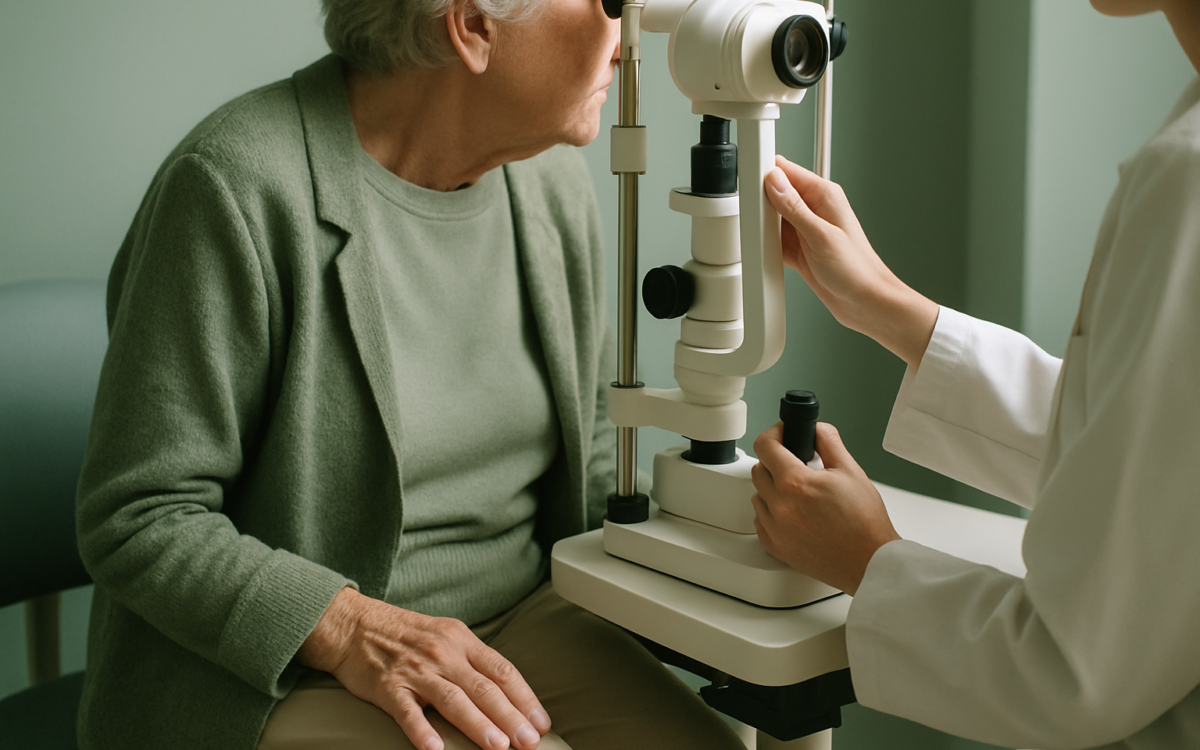
Whether you’ve had cataract surgery or are concerned about your eye health, it’s important to regularly consult with your eye care provider. If you experience any changes in your vision, seek medical advice. Regular eye exams can help detect any issues early and ensure optimal eye health.
Conclusion
Cataracts themselves do not return after successful surgery, but other complications like PCO can mimic the symptoms of cataracts. Awareness of your vision quality and any emerging symptoms is vital for maintaining eye health. Always consult with a healthcare professional if you have concerns about your eyes or vision, ensuring timely and appropriate care.
