
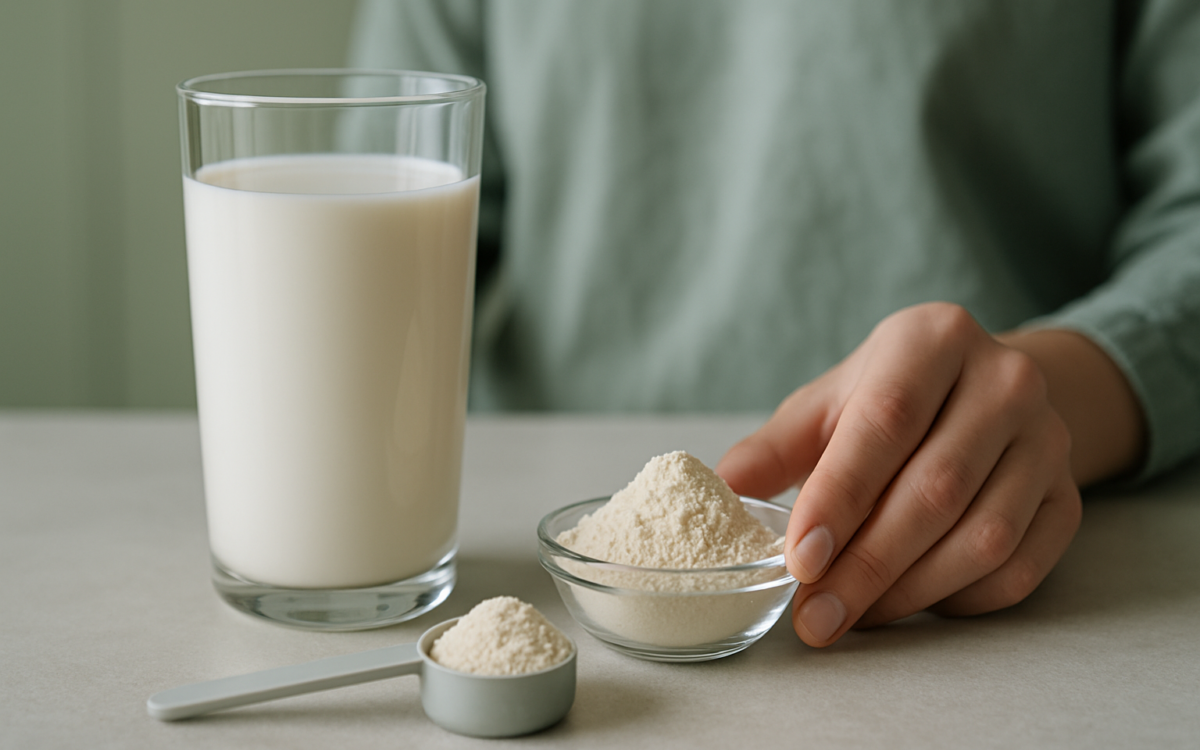
Milk is one of the most popular beverages worldwide, enjoyed by many for its rich flavor and creamy texture. But beyond its taste, milk is also packed with nutrients, including protein, which plays a vital role in our diet. This article delves into the protein content in various types of milk, how it benefits our health, and what to consider when choosing the right milk for you.
Understanding Protein in Milk
Protein is essential for building and repairing tissues in our bodies. It’s also crucial for the production of enzymes and hormones. Milk is a significant source of protein, especially for those who consume dairy regularly. But how much protein is in milk?
Types of Milk and Their Protein Content
Milk comes in several varieties, each with different nutritional profiles. Here’s a breakdown of the protein content in some common types of milk:
- Whole Milk: Whole cow’s milk contains about 8 grams of protein per 1 cup (8 oz). This type of milk is the least processed, retaining its natural fat content.
- 2% Milk: This reduced-fat version has approximately 8 grams of protein per cup as well, making it similar in protein content to whole milk.
- 1% Milk: Low-fat milk contains around 8 grams of protein per cup, benefiting those looking for a leaner option.
- Skim Milk: Non-fat milk also has about 8 grams of protein per cup and is great for those looking to cut calories without sacrificing protein.
- Almond Milk: Unsweetened almond milk typically contains only 1 gram of protein per cup. It’s a popular dairy alternative for those who are lactose intolerant or prefer plant-based diets.
- Soy Milk: Unsweetened soy milk is among the highest in protein among non-dairy milks, containing about 7-9 grams of protein per cup, comparable to cow’s milk.
As you can see, cow’s milk generally offers a consistent protein content across its various types. However, non-dairy options can vary significantly.
The Role of Protein in Our Diet
Protein’s importance in our nutrition cannot be overstated. Here are some key reasons why incorporating enough protein in your diet is vital:
- Muscle Growth and Repair: Protein is essential for building muscle mass and repairing tissues after injury or exercise.
- Weight Management: High-protein diets can help with satiety, meaning you might feel full longer and eat less overall.
- Bone Health: Certain proteins play a role in maintaining bone density, which is crucial as we age.
- Immune Function: Proteins are necessary for the production of antibodies that help fight off infections.
Including sources of protein like milk in your diet can help ensure you’re meeting your daily protein needs.
How Much Protein Do You Need?
The recommended daily intake of protein varies based on age, sex, and level of physical activity:
- For the average adult, about 46 grams per day for women and 56 grams for men is generally recommended.
- Active individuals, especially athletes, may need more protein to support their lifestyle and recovery.
To assess your individual protein needs, you may want to consult with a healthcare provider or a nutritionist, who can provide personalized recommendations based on your unique situation.
Choosing the Right Milk for You
When selecting milk, consider your dietary preferences and any health conditions you may have. Here are a few factors to take into account:
- Lactose Intolerance: If you’re lactose intolerant, you may want to avoid cow’s milk and opt for lactose-free options or plant-based milks.
- Dietary Preferences: Individuals following vegan diets may choose plant-based milks like soy, almond, or oat milk. Make sure these options are fortified with vitamins and minerals if they are replacing cow’s milk.
- Fat Content: Decide whether you prefer whole milk, reduced-fat, or non-fat versions based on your dietary needs and lifestyle.
Popular Uses of Milk in Diet
Milk can be enjoyed in various ways, adding both flavor and nutrition to your meals. Here are some popular uses:
- As a drink on its own or paired with meals.
- In smoothies or protein shakes for an added nutrient boost.
- As an ingredient in baking and cooking, lending moisture and flavor to recipes.
- In cereals or oatmeal, providing a creamy texture and added protein.
- In coffee or tea, enriching beverages with taste and nutrients.
With so many ways to incorporate milk into your diet, you can easily benefit from its protein content.
When to See a Doctor
If you experience symptoms of food allergies, intolerances, or any digestive issues after consuming milk, consider consulting a healthcare professional. They can evaluate your symptoms and help determine if milk or dairy products are suitable for you.
Conclusion
Not only is milk a tasty beverage, but it also serves as a nutritious source of protein that can benefit our overall health. Whether you prefer cow’s milk or a plant-based alternative, understanding the protein content can help you make informed choices in your diet. Remember to consider your personal health needs and preferences when selecting the right type of milk, and consult a healthcare provider if you have any concerns.
