
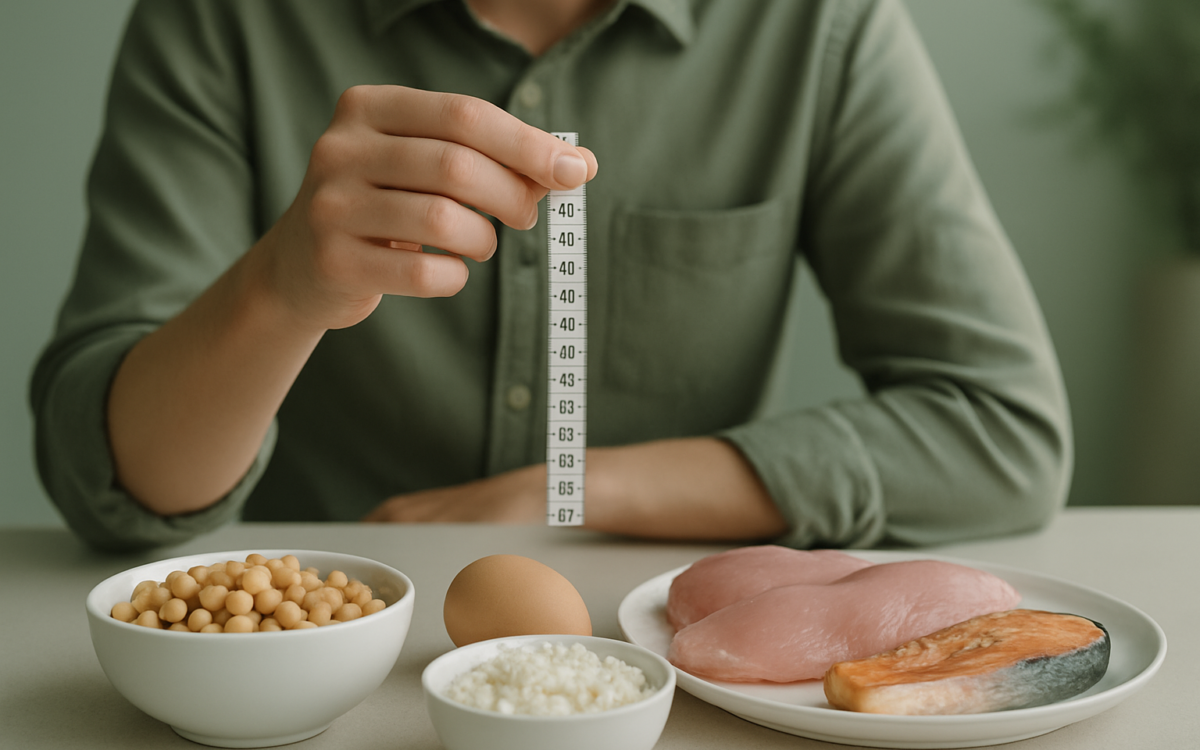
Protein is an essential nutrient that plays a crucial role in building and repairing tissues in our bodies. Whether you’re a fitness enthusiast, a busy professional, or simply someone aiming for a healthy lifestyle, understanding your daily protein needs can help you optimize your health and nutrition.
What is Protein and Why Do We Need It?
Protein is made up of amino acids, which are the building blocks of muscles, skin, enzymes, and hormones. Our bodies cannot produce all of these amino acids, so we must obtain some from our diet. Consuming an adequate amount of protein can boost muscle mass, improve recovery after workouts, and even help with weight management.
How Much Protein Do You Really Need?
Determining how much protein you should eat each day depends on multiple factors including your age, sex, activity level, and overall health. The Recommended Dietary Allowance (RDA) for protein is set at 0.8 grams (g) of protein per kilogram (kg) of body weight. This means:
- For someone weighing 70 kg (about 154 pounds), the RDA is 56 grams of protein per day.
- For someone weighing 50 kg (about 110 pounds), the RDA is 40 grams of protein per day.
However, these numbers can change based on individual needs.
Factors That Influence Your Protein Needs
There are several key factors that influence how much protein you should consume:
Age
As we age, our protein needs may increase to combat the natural loss of muscle mass. Older adults may benefit from a higher protein intake, especially to maintain strength and health.
Activity Level
Individuals who are physically active, particularly those involved in strength training or endurance sports, generally require more protein to support muscle repair and growth. Athletes may need between 1.2 to 2.0 grams of protein per kilogram of body weight.
Health Conditions
Certain health conditions such as chronic illnesses, recovering from surgery, or pregnancy may increase your protein needs. Always consult with a healthcare provider to personalize your intake based on your health status.
Sources of Protein: What to Include in Your Diet
Protein is abundant in both animal and plant-based foods. Here are some excellent sources:
Animal Sources
- Meat: Lean beef, poultry, and pork
- Fish: Salmon, trout, and tuna
- Dairy: Milk, yogurt, and cheese
- Eggs: A complete protein with all essential amino acids
Plant Sources
- Legumes: Lentils, chickpeas, and beans
- Nuts and Seeds: Almonds, chia seeds, and pumpkin seeds
- Whole Grains: Quinoa, brown rice, and oats
- Tofu and Tempeh: Excellent sources of plant-based protein
Mixing different protein sources can help ensure you get a complete range of amino acids necessary for optimal health.
Is Too Much Protein Bad for You?
While protein is essential for good health, consuming too much can lead to potential health issues. Excessive protein intake can strain your kidneys, lead to dehydration, and may increase the risk of certain chronic diseases depending on the sources (such as red meat). The general consensus is that moderation is key; focus on a balanced diet that includes a variety of nutrients.
How to Track Your Protein Intake
If you want to keep tabs on your protein consumption, consider using a food diary or mobile apps designed for tracking nutrition. Eating a variety of protein sources throughout the day can help you reach your daily goal without being overly focused on just one food type. Pay attention to portion sizes and try to balance protein-rich foods across your meals and snacks.
When to See a Doctor
If you’re unsure about your protein needs or if you have specific health concerns, it’s a good idea to consult with a healthcare provider or a registered dietitian. They can provide personalized recommendations based on your health status, lifestyle, and dietary preferences.
Maintaining adequate protein intake is vital for supporting overall health and wellness. By understanding your unique protein needs and incorporating a variety of sources into your diet, you can enhance your nutrition and enjoy a healthier lifestyle.
