
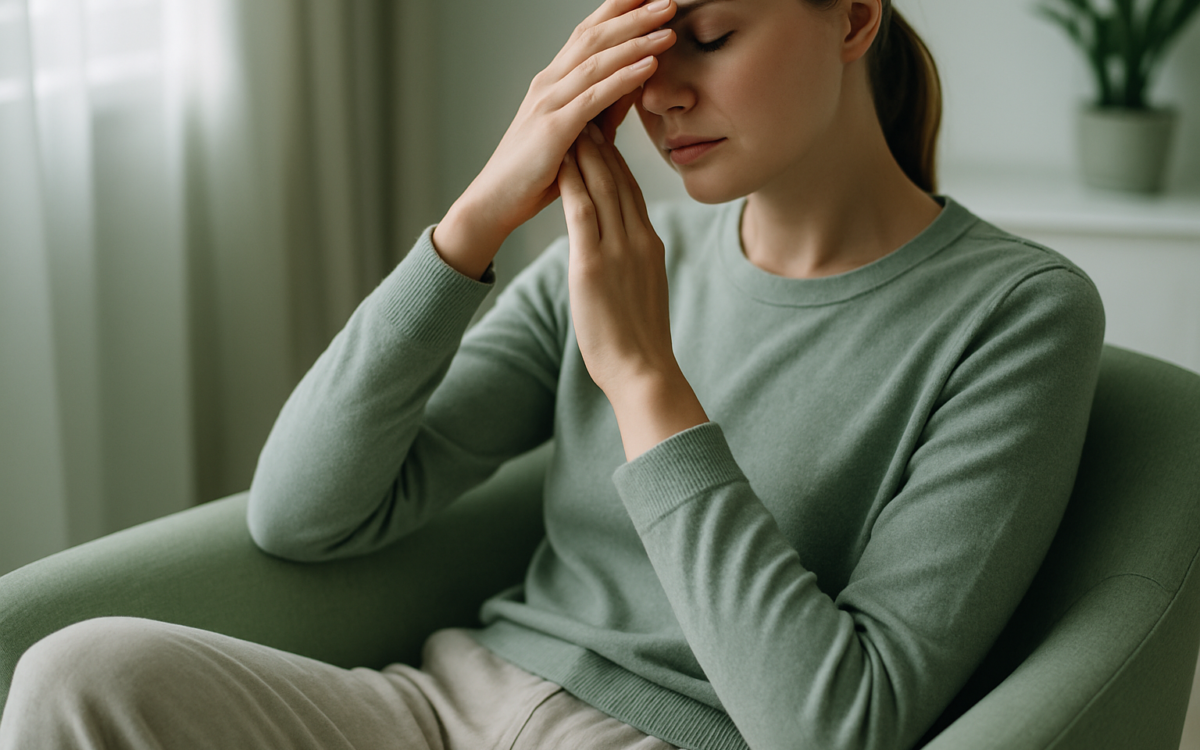
In today’s fast-paced world, stress can feel like an unwelcome guest that overstays its welcome. Whether it’s work deadlines, family responsibilities, or financial worries, the pressures of everyday life can leave you feeling overwhelmed. Thankfully, de-stressing is not only possible but essential for maintaining your mental and physical health. This article explores various effective methods for reducing stress and fostering a sense of calm in your daily life.
Understanding Stress and Its Impact
Stress is a natural response to challenging situations, helping us to stay alert and focused. However, chronic stress can lead to numerous health problems, including anxiety, depression, and cardiovascular diseases. According to the National Institutes of Health (NIH), prolonged stress can weaken the immune system and disrupt sleep patterns, making it essential to find ways to manage stress effectively.
Identifying Your Stress Triggers
The first step in de-stressing is identifying what causes your stress. Common stressors include:
- Work-related pressures
- Relationship conflicts
- Financial difficulties
- Health concerns
- Major life changes
Take some time to reflect on your daily life and write down the events or situations that frequently contribute to your stress. Once you know what triggers your stress, you can work on strategies specifically tailored to address these issues.
Effective Relaxation Techniques
Exploring relaxation techniques is a vital part of learning how to de-stress. Here are several methods worth considering:
1. Deep Breathing
Deep, intentional breathing can activate your body’s relaxation response. Try inhaling deeply through your nose, holding for a moment, and exhaling slowly through your mouth. Practicing this for a few minutes can significantly reduce anxiety levels.
2. Mindfulness and Meditation
Mindfulness involves focusing on the present moment without judgment. Activities like meditation can help ground you and shift your perspective. Simply sitting quietly and concentrating on your breath can help clear your mind.
3. Physical Activity
Exercise is a powerful stress-reliever. Engaging in physical activities like walking, jogging, or yoga can boost your mood and improve your mental health. According to the World Health Organization (WHO), regular physical activity is key to reducing stress and anxiety.
4. Nature Therapy
Spending time in nature can have a transformative effect on your stress levels. Studies have shown that natural environments can improve mood and promote relaxation. Try to take short walks in a park or simply sit outside to absorb the calming sights and sounds of nature.
Building a Support System
Having a solid support network is crucial for managing stress. Reach out to friends, family, or coworkers to talk about your feelings. Socializing can serve as a fantastic distraction and provide you with valuable perspective. Additionally, consider joining a support group or a community activity that interests you. Sharing experiences can foster connection and validation.
Establishing Healthy Routines
Establishing a structured routine can help to lessen feelings of chaos and instability. Here are a few habits to incorporate into your daily life:
- Consistent Sleep Schedule: Aim for 7-9 hours of quality sleep each night. Proper rest is essential for emotional regulation.
- Balanced Diet: Nutrition plays a significant role in mental health. Focus on eating a variety of fruits, vegetables, lean proteins, and whole grains.
- Limit Caffeine and Alcohol: Excessive consumption of these substances can contribute to anxiety and exacerbate stress levels.
- Regular Breaks: Whether at work or home, take regular breaks to recharge your mind and body.
Creative Outlets and Hobbies
Engaging in creative pursuits can be an excellent way to reduce stress. Hobbies like painting, writing, gardening, or playing music can provide an outlet for self-expression and relaxation. These activities not only distract your mind from stressors but also bring joy and a sense of achievement.
When to See a Doctor
If stress becomes overwhelming and impacts your daily life, it may be time to consult a healthcare professional. Symptoms such as persistent anxiety, depression, changes in appetite, or sleep disturbances warrant a discussion with a doctor. Professional guidance can help you develop more effective coping strategies.
In conclusion, learning to de-stress is vital for a healthy and balanced life. By identifying your stressors, incorporating relaxation techniques, building a support system, maintaining healthy routines, and exploring creative outlets, you can take significant steps toward alleviating stress. Remember that seeking professional advice when necessary is also an essential part of your journey to well-being. Prioritize your mental health, and embrace the calm that you deserve.
