
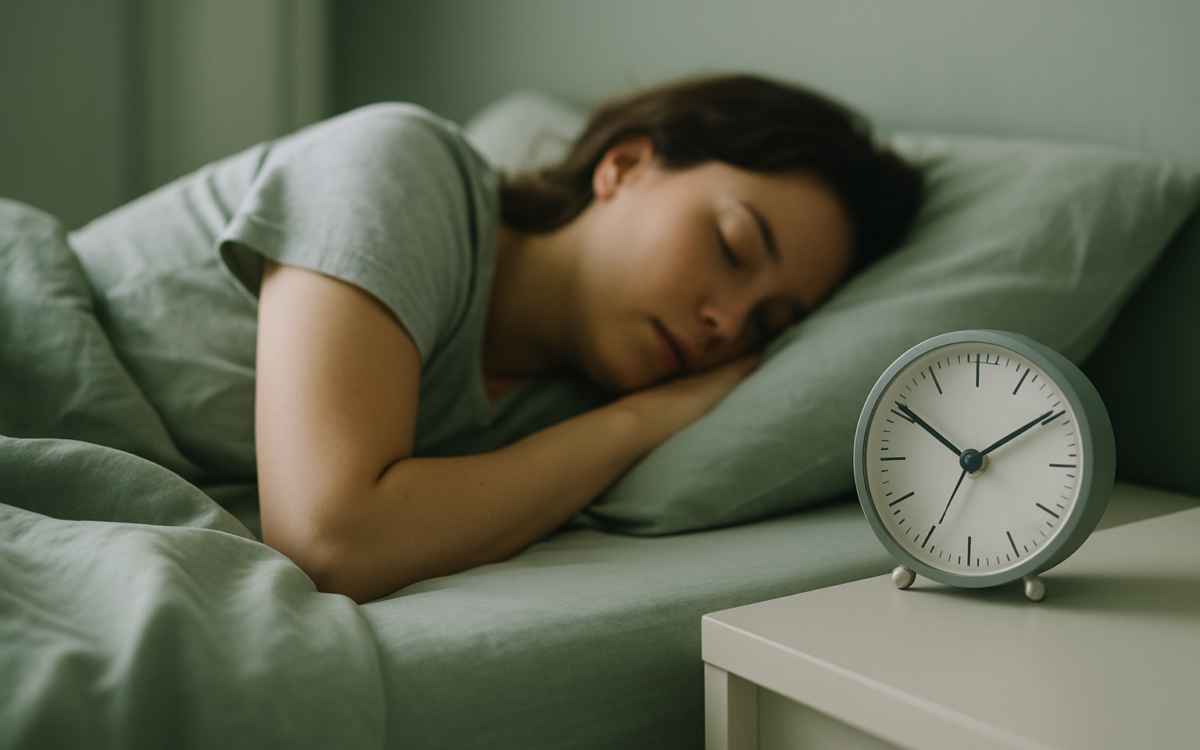
Sleep is often seen as a rejuvenating time for our bodies and minds. Most people know the importance of getting enough sleep, but what happens when you sleep more than you should? Is it possible for too much sleep to be bad for you? In this article, we’ll delve into the science behind sleep duration, its effects on health, and when to consider seeking help.
Understanding the Basics of Sleep
Sleep is crucial for various bodily functions, from cognitive abilities to heart health. The National Sleep Foundation suggests that adults typically need between 7 to 9 hours of sleep each night for optimal health. However, individual needs can vary based on factors like age, lifestyle, and overall health. Generally, if you find yourself sleeping significantly more than this range regularly, it might warrant a closer look.
The Dangers of Oversleeping
While quality sleep is essential, excessive sleep—generally defined as sleeping more than 9 hours per night on a regular basis—has been linked to several health issues. Research suggests that oversleeping may correlate with increased risks of certain medical conditions:
- Obesity: Some studies suggest that those who frequently oversleep are more likely to be obese. This could be due to a more sedentary lifestyle often associated with longer sleep durations.
- Diabetes: A link between excessive sleep and elevated blood sugar levels has been observed, which may increase the risk of type 2 diabetes. Those sleeping more than 8 hours a night may have a higher chance of developing this condition.
- Depression and Anxiety: Excessive sleep can be both a symptom and a contributor to mental health conditions. Oversleeping may indicate underlying mental health issues, which require a thorough evaluation.
Why Do Some People Sleep Too Much?
Understanding why some individuals sleep excessively can be complex. Some potential factors include:
- Sleep Disorders: Conditions like sleep apnea, where breathing repeatedly stops and starts during sleep, can lead to poor-quality sleep and increased sleep duration as the body attempts to recover.
- Medical Conditions: Certain health issues, including chronic fatigue syndrome, hypothyroidism, and heart disease, can cause excessive sleep in affected individuals.
- Medications: Some medications may cause drowsiness or increased sleep duration as a side effect, leading individuals to sleep more than they typically would.
How Much Sleep is Too Much?
Determining how much sleep is excessive can vary from person to person. The key is to look for patterns in your sleep habits and how you feel during the day. Signs that you might be sleeping too much include:
- Feeling groggy or lethargic regardless of sleep duration.
- Struggling to concentrate or remember things.
- Finding it difficult to engage in daily activities.
If you notice these signs, it might be time to assess your sleep habits and their impact on your overall well-being.
Balancing Sleep for Wellness
Achieving the right balance of sleep is vital, not just for feeling rested but also for maintaining overall health. Consider the following tips to help create a healthier sleep environment:
- Establish a Sleep Schedule: Try to go to bed and wake up at the same time each day, even on weekends.
- Create a Restful Environment: Make sure your sleeping space is dark, quiet, and cool. Consider using blackout curtains or white noise machines as needed.
- Limit Naps: If you find yourself recovering from sleep deprivation, limit daytime naps to short periods (20-30 minutes) to avoid disrupting your nightly sleep.
When to See a Doctor
If you’re experiencing persistent fatigue, excessive sleepiness, or have concerns about your sleep patterns, consider speaking with a healthcare professional. They can assess your specific situation and may recommend a sleep study or other evaluations to determine whether a sleep disorder or underlying health issue is contributing to your excessive sleep.
Conclusion
While sleep is vital for good health, oversleeping can have its own set of risks and complications. Keeping a close eye on your sleep habits and noting any changes in mood, energy levels, or overall health can offer valuable insights into your sleep needs. If you suspect that your sleep patterns are affecting your daily life, consulting a medical expert can help you find the best path to balance and wellness.
