
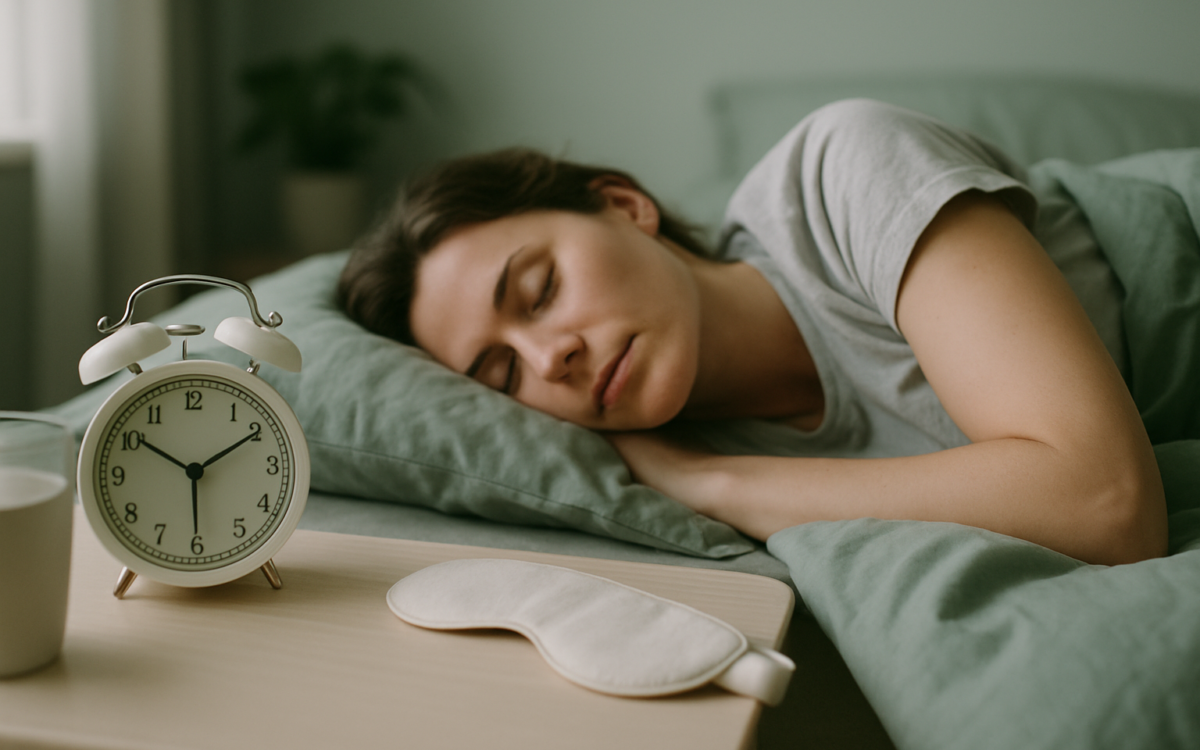
In our fast-paced lives, a good night’s sleep can sometimes feel out of reach. Sleep hygiene refers to the habits and practices that are conducive to sleeping well on a regular basis. When we prioritize sleep hygiene, we can significantly improve our overall sleep quality, leading to better physical and mental health. Let’s dive into what sleep hygiene means, why it’s important, and how you can incorporate these practices into your life.
What Is Sleep Hygiene?
Sleep hygiene encompasses various strategies and environmental factors that help you get a restful night’s sleep. It includes everything from creating a comfortable sleeping environment to developing a relaxing pre-sleep routine. By adopting good sleep hygiene, you not only help yourself fall asleep more easily but also improve the quality of your sleep.
The Importance of Sleep Hygiene
Many people underestimate the impact of sleep hygiene on their well-being. Poor sleep can lead to a range of health issues, including:
- Increased stress and anxiety
- Difficulty concentrating
- Weakened immune system
- Weight gain
- Higher risk for chronic conditions such as heart disease and diabetes
Maintaining good sleep hygiene can enhance your mood, boost your brain function, and improve your overall quality of life. In a world where sleep is often sacrificed for productivity, it’s essential to recognize sleep as a critical component of health.
Simple Tips for Improving Sleep Hygiene
Implementing effective sleep hygiene practices doesn’t have to be complicated. Here are some straightforward tips to enhance your sleep quality:
Create a Consistent Sleep Schedule
Going to bed and waking up at the same time every day, even on weekends, helps regulate your body’s internal clock. When your body learns to expect sleep at certain times, it can improve the ease and quality of your sleep.
Design a Relaxing Bedtime Routine
Engaging in calming activities before bed can signal to your body that it’s time to wind down. Consider activities such as:
- Reading a book
- Taking a warm bath
- Practicing deep breathing or meditation
A consistent routine helps cue your body that sleep is coming, which can make falling asleep easier.
Optimize Your Sleep Environment
Your bedroom should be a sanctuary for sleep. Here are some tips for optimizing your sleeping environment:
- Keep the temperature cool, ideally between 60-67°F (15-19°C).
- Make sure your mattress and pillows are comfortable.
- Limit noise and light; consider using earplugs or blackout curtains.
Your bedroom’s setup can significantly affect your sleep quality, so investing time in creating a sleep-friendly space is worthwhile.
Limit Exposure to Screens Before Bed
The blue light emitted by phones, tablets, and computers can interfere with the production of the sleep hormone melatonin. Try to avoid screens for at least an hour before bedtime. Instead, engage in activities that promote relaxation and prepare your mind for sleep.
Healthy Lifestyle Choices for Better Sleep
Incorporating healthy lifestyle choices can further enhance your sleep hygiene:
- Regular Exercise: Regular physical activity can help you fall asleep faster and enjoy deeper sleep. However, try to avoid vigorous exercise close to bedtime.
- Watch Your Diet: Avoid large meals, caffeine, and alcohol close to bedtime. Instead, opt for light snacks if you’re hungry, and make sure to stay hydrated throughout the day.
- Manage Stress: Stress and anxiety can severely impact your sleep. Incorporating stress management techniques like yoga, mindfulness, or journaling can help keep your mind calm.
These small adjustments can have a positive impact on your sleep quality over time.
International Perspectives on Sleep Hygiene
Sleep hygiene practices can vary across cultures, and some countries focus on holistic approaches to improving sleep quality. For instance, in Turkey, many people incorporate relaxation techniques and herbal remedies to enhance sleep. If you’re considering international treatment options for sleep-related issues, there are programs that emphasize traditional methods intertwined with modern practices. If you ever find yourself exploring treatment in Turkey, you might discover new ways to improve your sleep hygiene based on different cultural insights.
When to See a Doctor
If you’ve tried various sleep hygiene practices without improvement and continue to face difficulties with sleep, it might be time to consult a doctor. Persistent insomnia or sleep disturbances could indicate an underlying health issue that requires professional attention. Common signs that you should seek medical advice include excessive daytime sleepiness, difficulty concentrating, or if your sleep troubles are accompanied by other symptoms such as snoring or gasping during sleep.
Conclusion
Improving your sleep hygiene can be transformative for your overall well-being. By implementing simple yet effective practices, you can enhance your sleep quality, leading to better health, mood, and productivity. Remember, it’s about creating a consistent and calming environment that supports restful sleep. Prioritize your sleep, and your body and mind will thank you.
