
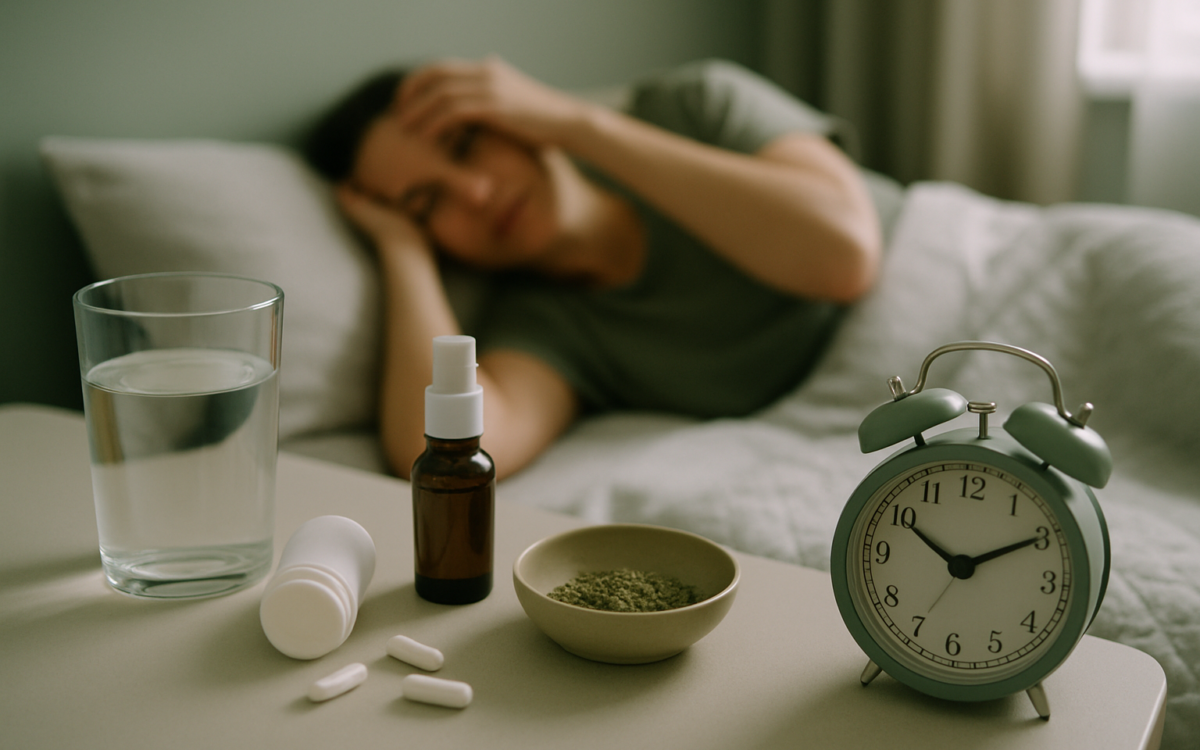
Many of us have nights where we simply cannot seem to drift off, no matter how tired we feel. Achieving a restful night’s sleep is crucial for our physical and mental well-being. Understanding how to fall asleep quickly can greatly enhance the quality of your life. This article will provide you with a variety of practical strategies that you can implement to help you get the sleep you need.
Create a Sleep-Inducing Environment
The environment in which you sleep can have a significant impact on how easily you fall asleep. Here are some steps to optimize your bedroom for sleep:
- Keep it dark: Darkness signals your body that it’s time to sleep. Consider blackout curtains or an eye mask to block out light.
- Regulate temperature: Most people sleep best in a cooler room. Ideal temperatures usually range from 60 to 67 degrees Fahrenheit.
- Minimize noise: Use earplugs or a white noise machine to drown out disruptive sounds that may keep you awake.
- Remove distractions: Keep electronics, such as televisions and smartphones, out of the bedroom. The blue light emitted by screens can interfere with your body’s natural sleep-wake cycle.
Establish a Consistent Sleep Schedule
Your body thrives on routine. Going to bed and waking up at the same time every day helps regulate your body’s internal clock. Here are some tips to create a sleep schedule:
- Choose a bedtime that allows for 7-9 hours of sleep.
- Stay consistent on weekends and weekdays to avoid feelings of grogginess and irregular sleep.
- Use an alarm to remind you when to wind down for bed.
Implement a Relaxing Bedtime Routine
A calming pre-sleep routine can signal your body that it’s time to wind down. Here are some activities to consider:
- Read a book: Opt for light reading to help distract your mind from day-to-day stress without being overly stimulating.
- Meditate or practice deep breathing: Mindfulness techniques can reduce anxiety and promote relaxation as you prepare for sleep.
- Take a warm bath: A warm bath can help you relax your muscles and lower your core body temperature when you exit, signaling that it’s time to sleep.
Mind Your Diet and Caffeine Intake
What you eat and drink can affect your ability to fall asleep. Being mindful of your consumption can promote better sleep:
- Avoid heavy meals before bedtime: Eating a large meal can cause discomfort and disrupt sleep.
- Limit caffeine and nicotine: Both stimulants can keep you wired and awake if consumed too close to bedtime.
- Stay hydrated, but not too much: Drink enough fluids during the day, but reduce intake in the evening to prevent nightly bathroom trips.
Limit Naps and Daytime Sleep
While napping can be a great way to catch up on missed sleep, long or irregular napping during the day can hurt your nighttime slumber. Consider these guidelines:
- Limit naps to 20-30 minutes.
- Avoid napping late in the afternoon.
- If you find that napping disrupts your nighttime sleep, it may be best to cut back or eliminate daytime naps altogether.
Incorporate Physical Activity
Regular physical activity can greatly improve the quality of your sleep. Aim for at least 30 minutes of moderate exercise most days of the week. Here’s how to do it effectively:
- Time it right: Try to finish vigorous workouts a few hours before bedtime to reduce the risk of insomnia.
- Engage in relaxing exercises: Gentle yoga or stretching can promote relaxation when done in the evening.
Additional Relaxation Techniques
Beyond routines and lifestyle changes, consider incorporating these additional techniques to help you unwind:
- Visualization: Imagine a peaceful scenario that helps calm your mind.
- Aromatherapy: Scents like lavender and chamomile can be soothing; consider essential oils or scented candles.
- Journaling: Writing down your thoughts can help clear your mind and reduce stress before sleeping.
When to See a Doctor
If you consistently struggle to fall asleep, experience chronic insomnia, or have sleep disturbances that affect your daily life, it is advisable to consult a healthcare professional. They can evaluate your sleep patterns and identify any underlying issues that may require treatment. The National Heart, Lung, and Blood Institute provides excellent resources for understanding sleep health.
Remember, everyone experiences sleepless nights now and then. By implementing these strategies and prioritizing your sleep, you can create an environment and routine that promotes restorative rest. Embrace the journey toward better sleep, and soon you’ll be on your way to waking up feeling refreshed and energized.
