
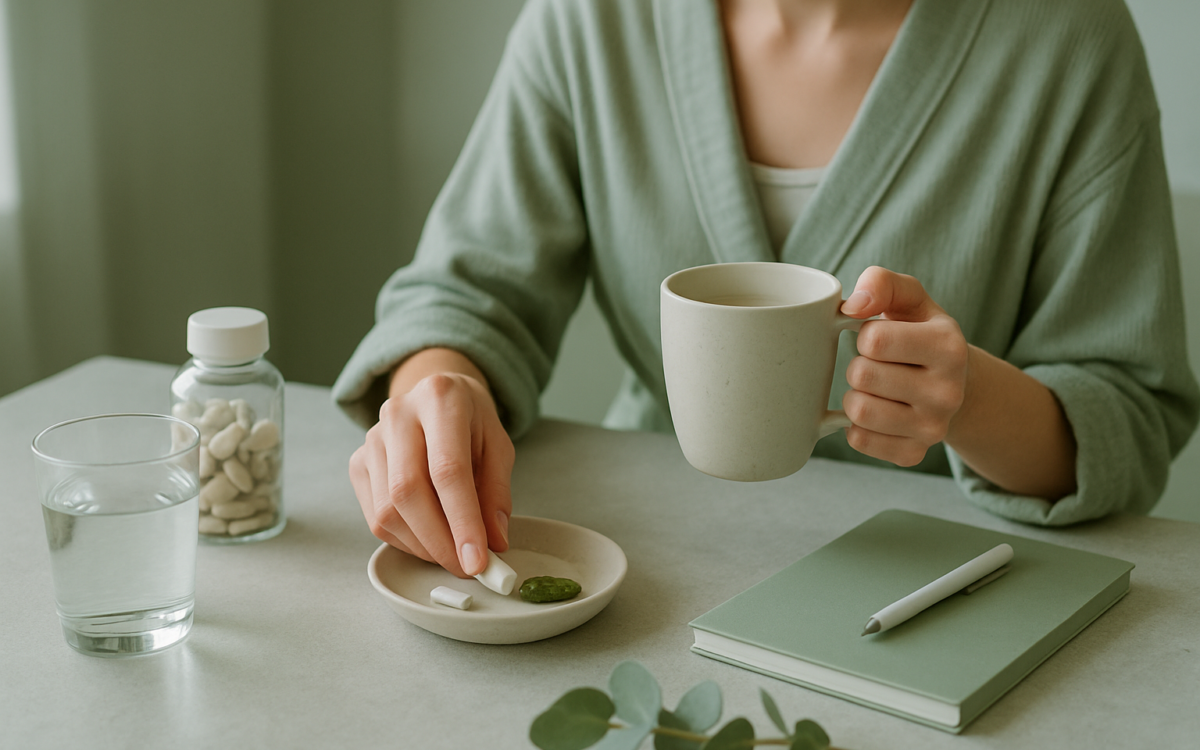
In today’s fast-paced world, maintaining a sense of balance can be a challenge. Between work, family, and the hustle of daily life, it’s easy to let our health take a back seat. A wellness routine, however, can help manage stress, boost your mood, and improve both physical and mental health. This article will guide you through creating a personalized wellness routine that suits your unique lifestyle and needs.
Understanding Wellness
Wellness is more than just the absence of illness. It encompasses physical, mental, and emotional well-being. According to the World Health Organization, wellness also includes social and environmental factors that affect our health. A comprehensive wellness routine should address these diverse components to promote a balanced life.
Physical Health: Building a Strong Foundation
Physical health is a cornerstone of your wellness routine. Here are some achievable ways to enhance your physical well-being:
- Regular Exercise: Aim for at least 150 minutes of moderate aerobic activity weekly. This can include walking, cycling, or swimming.
- Balanced Diet: Prioritize whole foods like fruits, vegetables, lean proteins, and whole grains. Consider consulting the USDA’s MyPlate guidelines for balanced eating.
- Hydration: Drinking enough water is vital for bodily function. Aim for at least 8 cups a day, adjusted for activity level and climate.
Following these physical health tips can boost your energy levels, improve mood, and enhance overall wellness. Remember, small changes can lead to significant results over time.
Mental Health: The Importance of Mindfulness
Your mental health is equally crucial. Incorporating mindfulness practices into your routine can significantly reduce stress and enhance overall well-being. Here are some effective strategies:
- Meditation: Even a few minutes of daily meditation can improve focus and promote relaxation.
- Journaling: Writing about your thoughts and feelings can help process emotions and reduce anxiety.
- Connecting with Others: Building and maintaining social connections boosts mental health. Make time to chat with friends or family regularly.
As noted by the National Institutes of Health, mental health supports physical health, so don’t overlook this vital aspect of wellness.
Creating Your Wellness Routine
Now that you know what components to include, it’s time to develop your unique wellness routine. Here’s how to get started:
- Assess Your Needs: Take time to reflect on what areas of your health need attention. This assessment will guide your focus.
- Set Realistic Goals: Start small and gradually increase your commitments. For instance, aim for 10 minutes of daily exercise and then build from there.
- Be Consistent: Consistency is key in forming habits. Schedule your wellness activities like you would an important meeting.
For those considering international treatment options or if you’re seeking comprehensive care across borders, explore international patient services that can align with your wellness goals.
Incorporating Rest and Recovery
A significant aspect of a successful wellness routine is adequate rest and recovery. Sleep and downtime are essential for both physical and mental health. Here are tips to improve your sleep quality:
- Create a Sleep Schedule: Go to bed and wake up at the same times every day, even on weekends.
- Limit Screen Time: Avoid screens at least an hour before bedtime to enhance sleep quality.
- Practice Relaxation Techniques: Consider yoga or deep-breathing exercises before bed to calm your mind.
Quality sleep restores your body and helps you tackle each day with renewed energy.
Monitoring Progress and Making Adjustments
Your wellness journey is not a one-size-fits-all approach. You may find that certain activities resonate more than others, and that’s perfectly okay. Monitor your progress and be open to adjusting your routine. Here’s how:
- Keep a Journal: Track what works for you and what doesn’t. This practice can provide valuable insights over time.
- Be Open to Change: Life circumstances change, and your wellness routine should evolve too. Revisit and adapt it regularly.
- Seek Professional Guidance: If you feel uncertain about your progress, consider consulting professionals for tailored advice.
Creating a sustainable wellness routine is a continuous journey, and being flexible can help you navigate life’s ups and downs.
When to See a Doctor
While establishing a wellness routine is beneficial, there are times when you should seek professional help. Consider consulting a healthcare provider if you experience:
- Persistent fatigue that doesn’t improve with rest
- Increased anxiety or depression
- Unexplained physical symptoms or changes
Your health matters, and knowing when to seek support is part of a responsible wellness journey.
In conclusion, a personalized wellness routine can significantly enhance your quality of life. By focusing on physical health, mental well-being, and rest, you’ll be better equipped to handle life’s challenges. Remember, it’s about progress, not perfection. Embrace the journey and take it one day at a time!
