
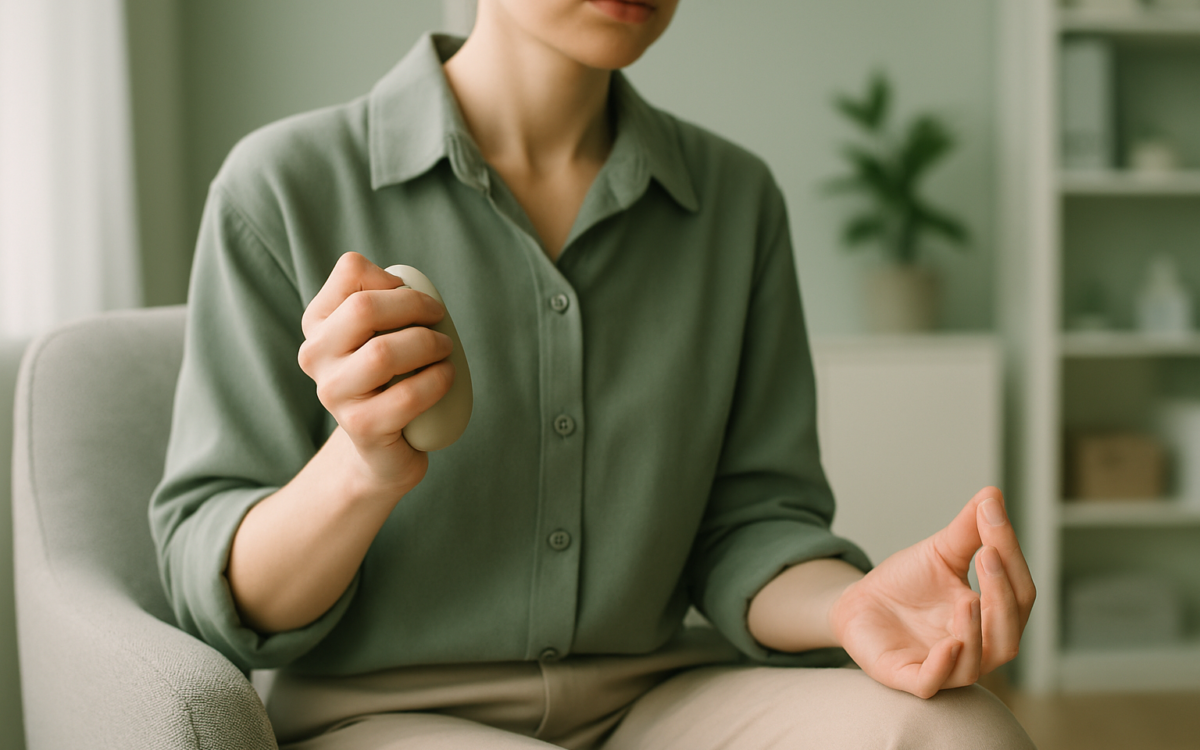
Stress is a natural response to challenging situations, but when it becomes overwhelming, it can affect your daily life and well-being. Understanding how to deal with stress is essential for maintaining balance, health, and happiness. In this article, we will explore various strategies that can help you manage stress effectively, allowing you to reclaim a sense of peace and control.
Understanding Stress
Stress is the body’s way of reacting to a challenge or demand. It triggers a physiological response, releasing hormones like adrenaline and cortisol, which prepare us to face or escape from danger. While some stress can be beneficial, motivating us to achieve goals, excessive stress can lead to physical and mental health issues.
Recognizing Your Stress Triggers
The first step in managing stress is identifying what triggers it for you. Common stressors include:
- Work-related pressures
- Financial problems
- Relationship issues
- Health concerns
- Major life changes
Keeping a stress journal can be an effective way to recognize patterns in your stress levels. Note down the situations that cause stress, along with your reactions. This awareness can help you develop strategies to cope with these triggers.
Healthy Lifestyle Choices
Maintaining a healthy lifestyle is one of the most effective ways to manage stress. Here are some key areas to focus on:
Nutrition
Eating a balanced diet rich in fruits, vegetables, whole grains, and lean proteins can support your body’s ability to handle stress. Foods high in omega-3 fatty acids, like salmon and walnuts, have been shown to reduce stress and anxiety levels. Reducing caffeine and sugar can also help stabilize your mood.
Physical Activity
Regular physical activity can boost your mood and improve your stress response. Aim for at least 30 minutes of exercise on most days. Activities like walking, running, swimming, or yoga can help release endorphins, which are natural mood lifters.
Sleep Hygiene
Quality sleep is vital for reducing stress. Aim for 7-9 hours of sleep each night. Establishing a calming bedtime routine, avoiding screens before sleep, and creating a comfortable sleep environment can improve your sleep quality.
Relaxation Techniques
Incorporating relaxation techniques into your daily routine can help reduce stress. Here are some methods you might find beneficial:
Meditation
Meditation can help calm your mind and decrease stress. Even just a few minutes a day can make a difference. Try focusing on your breath, or use guided meditation apps to get started.
Deep Breathing
Deep breathing exercises can quickly reduce stress. Take a moment to inhale deeply through your nose, hold for a count of four, and then exhale slowly through your mouth. Repeat this process until you feel more relaxed.
Mindfulness
Mindfulness involves paying attention to the present moment without judgment. Practicing mindfulness can help you break the cycle of negative thinking that often accompanies stress. You can incorporate mindfulness practice into daily tasks, like eating or walking.
Seeking Support
Don’t hesitate to reach out to friends, family, or coworkers for support. Sharing your feelings and experiences can lighten your emotional load. Consider joining support groups where you can connect with others facing similar challenges. Counseling or therapy may also be beneficial, providing you with professional guidance and strategies for coping with stress.
International Treatment Perspectives
In some cases, seeking treatment options beyond your local resources can be beneficial, particularly if you face chronic stress or anxiety. International clinics like Acibadem International offer specialized programs that focus on mental health and stress management, incorporating global perspectives and techniques that may not be available locally. Exploring such options can provide new insights and supportive environments for your mental well-being.
When to See a Doctor
While managing stress is often possible through lifestyle changes and self-care, there are times when professional help is needed. If you experience the following, consider consulting a healthcare professional:
- Persistent feelings of sadness or anxiety
- Difficulty concentrating or completing daily tasks
- Changes in sleep or appetite
- Using alcohol or drugs to cope
Your healthcare provider can offer support and help develop a tailored treatment plan to address your specific needs.
Conclusion
Managing stress involves a combination of recognizing triggers, making healthy lifestyle choices, practicing relaxation techniques, and seeking support. By adopting these strategies, you can take significant steps toward reducing stress and enhancing your overall well-being. Remember, it’s important to listen to your body and mind, and don’t hesitate to seek professional help if you need it.
