
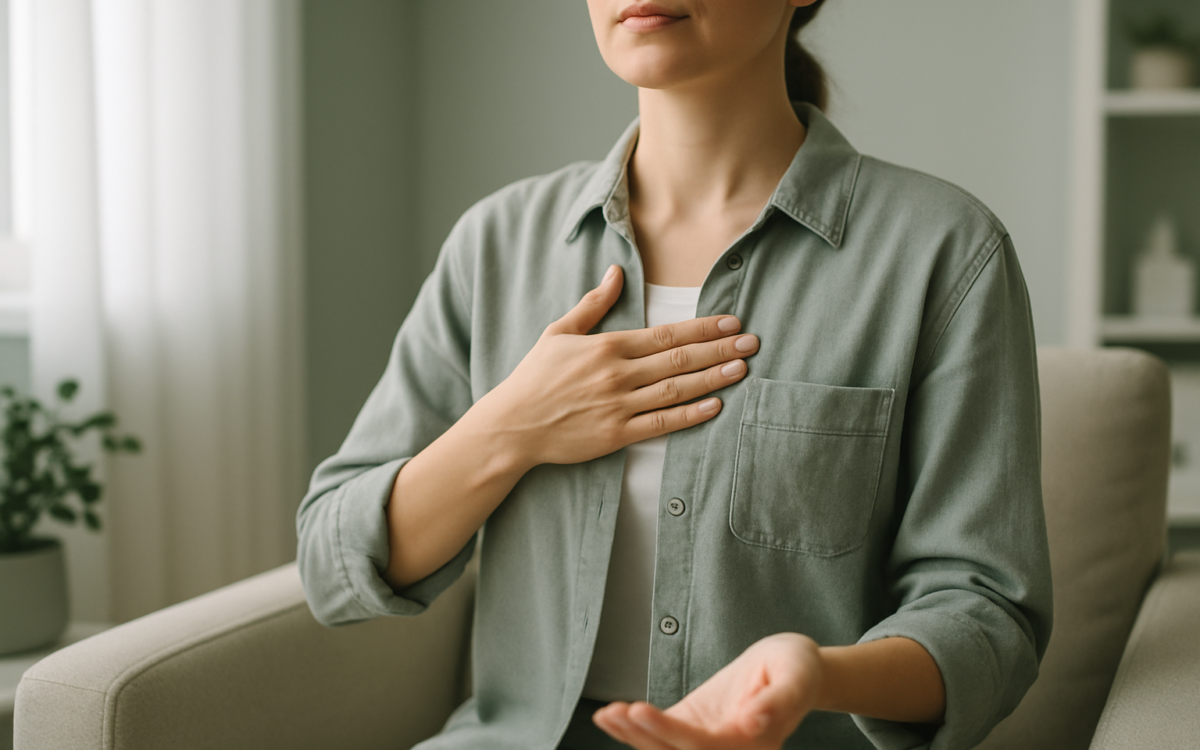
In today’s fast-paced world, stress seems to find us around every corner. Whether it’s at work, school, or home, daily pressures can add up, leaving us feeling overwhelmed and anxious. Luckily, there are several stress reduction techniques that can help you regain your sense of calm and improve your overall well-being. Let’s explore some effective methods you can incorporate into your daily routine.
The Power of Deep Breathing
One of the simplest and most effective stress reduction techniques is deep breathing. By focusing on your breath, you can activate your body’s relaxation response, which helps lower stress levels.
- How to do it: Find a quiet place, sit or lie comfortably, and close your eyes if you feel comfortable doing so. Inhale deeply through your nose for a count of four, allowing your abdomen to rise as you fill your lungs. Hold your breath for a count of four, then exhale slowly through your mouth for a count of six. Repeat this cycle several times.
- Benefits: Deep breathing helps reduce anxiety, lowers blood pressure, and promotes a sense of calm. Research supports its effectiveness in stress relief.
Engaging in Mindfulness Meditation
Mindfulness meditation enhances your awareness of the present moment, allowing you to observe your thoughts and feelings without judgment. This practice can significantly reduce stress and promote mental clarity.
- Getting started: Begin with just five minutes a day. Sit in a quiet place with your back straight. Close your eyes and focus on your breath. Whenever you notice your mind wandering, gently bring your attention back to your breathing.
- Why it works: Mindfulness can help you manage stress more effectively, fostering a sense of tranquility. Research from the National Institutes of Health indicates that even short sessions can yield benefits.
Physical Activity: Move Your Body
Exercise is a powerful stress reduction technique. Physical activity increases the production of endorphins, the body’s natural mood elevators, and helps reduce anxiety.
- Find an activity you enjoy: This might be walking, swimming, dancing, or playing a sport. The key is to engage in activity that feels good to you.
- How much is enough? Aim for at least 30 minutes of moderate activity most days. This can be broken into shorter bouts if it’s more manageable.
- Additional benefits: Regular exercise improves sleep, self-esteem, and resilience to stress. It’s a holistic approach to mental health.
Building Connections: Social Support
Creating and maintaining strong relationships with friends and family can serve as a buffer against stress. Social support is crucial in increasing resilience and feeling connected.
- Reach out: Spend time with loved ones, whether that’s through phone calls, video chats, or in-person gatherings. Sharing your experiences and feelings can lighten your emotional load.
- Participate in community activities: Engaging with local groups or volunteering can also help you connect with others while providing a sense of purpose.
Practicing Gratitude
Focusing on gratitude is a positive way to shift your mindset and combat stress. Recognizing the good in your life can help improve your mood and overall well-being.
- How to practice: Keep a gratitude journal. Each day, write down three things you are grateful for. This practice can help you see life from a more positive perspective.
- Benefits: Cultivating gratitude can lead to lower levels of stress and anxiety, and it improves emotional well-being, as found in studies from the National Library of Medicine.
When to See a Doctor
While these stress reduction techniques can be incredibly helpful, some situations may warrant professional support. Consider seeking help if:
- Your stress is impacting your daily life, relationships, or responsibilities.
- You are experiencing persistent feelings of sadness or anxiety.
- You have difficulty coping with everyday challenges or feel overwhelmed.
A healthcare professional can provide guidance and support tailored to your needs.
In conclusion, integrating stress reduction techniques into your daily routine can foster a more peaceful and rewarding life. Whether through deep breathing, mindfulness, physical activity, social connections, or cultivating gratitude, there are numerous ways to enhance your well-being. Remember, it’s important to find what resonates with you and to consult healthcare professionals when necessary. Taking small steps can lead to significant improvements over time.
