
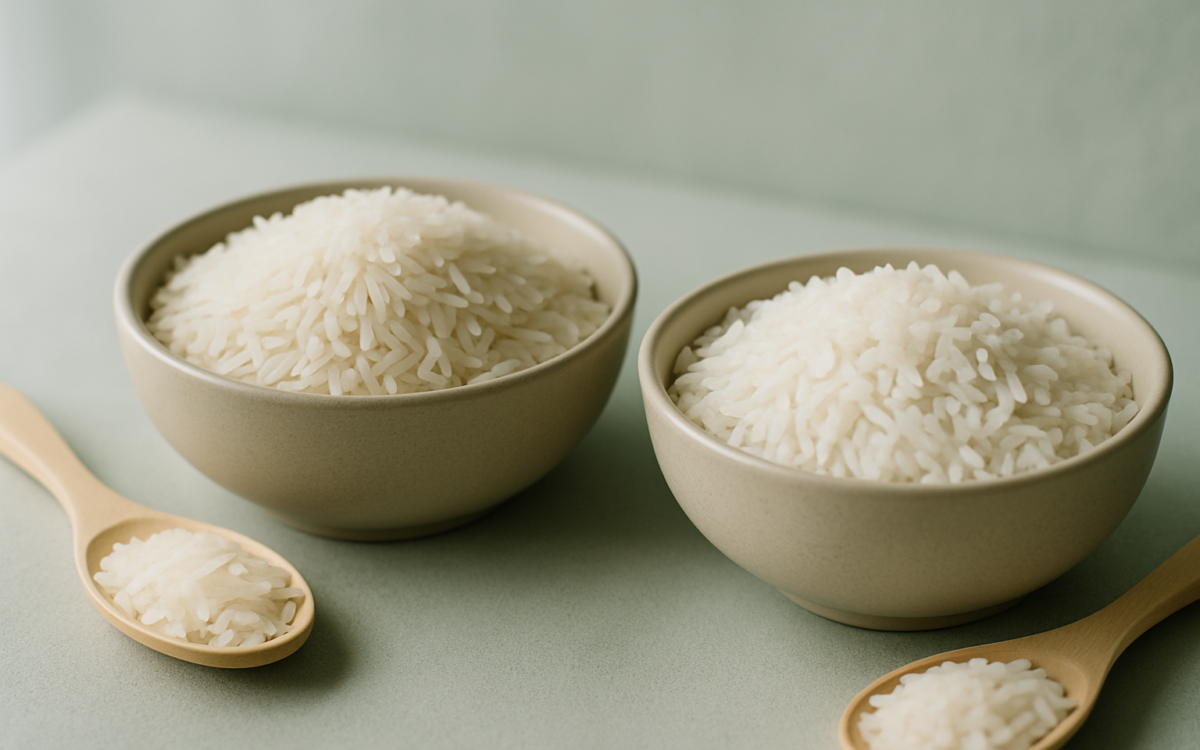
When it comes to rice, there are many options to choose from. Two popular varieties are jasmine rice and white rice. They are not only staples in various cuisines but also come with unique flavors, textures, and nutritional profiles. Understanding the differences can help you make informed choices about what to serve at your next meal.
What is jasmine rice?
Jasmine rice is a long-grain rice primarily grown in Thailand and is renowned for its aromatic fragrance. Its name derives from the jasmine plant, which is known for its sweet smell. The rice has a soft, slightly sticky texture when cooked, making it ideal for dishes like stir-fries and curries. Jasmine rice is typically classified as a white rice because of the milling process that removes its husk, bran, and germ.
What is white rice?
White rice is a general term referring to rice that has been milled to remove the bran and germ, leaving mainly the starchy endosperm. It is the most common type of rice consumed worldwide. White rice has a mild flavor and fluffy texture. It can be short, medium, or long-grain, with long-grain varieties being less sticky than short or medium grains. While available in several forms, most commercially sold white rice is enriched with vitamins and minerals to compensate for any nutrients lost during milling.
Nutritional comparison
When evaluating jasmine rice and white rice, it’s essential to consider their nutritional profiles. Here are some key factors:
- Calories: Both types of rice are similar in calorie count, with about 205 calories per cooked cup.
- Carbohydrates: Both jasmine and white rice are primarily composed of carbohydrates. A cup of cooked jasmine rice has approximately 45 grams of carbohydrates, comparable to white rice.
- Protein: Jasmine rice contains about 4 grams of protein per cup, while white rice has slightly less, around 4 grams.
- Fiber: Jasmine rice may have a minimal edge over white rice in fiber content, offering around 1 gram per cup compared to white rice’s 0.6 grams.
- Vitamins and minerals: White rice is often enriched with iron and B vitamins, but it lacks the antioxidants found in whole grains. Jasmine rice, depending on the variety (e.g., brown jasmine rice), can provide more nutrients.
Health considerations
Both jasmine rice and white rice fit into a balanced diet, but there are health considerations to keep in mind:
- Glycemic index: Jasmine rice has a higher glycemic index (GI) than some other rice types, meaning it may raise blood sugar levels more quickly. For those managing diabetes or blood sugar issues, this is crucial to consider.
- Portion control: Rice can be calorie-dense, so portion control is vital. A half-cup serving may suffice for most meals.
- Alternatives: If you’re looking for higher fiber content, consider brown rice or other whole-grain options, which generally offer more nutrients and less impact on blood sugar.
Culinary uses and flavors
The choice between jasmine rice and white rice can significantly affect the flavor and texture of your dish:
- Jasmine rice: Its fragrance and slightly sticky texture make jasmine rice a perfect match for Southeast Asian dishes, like Thai curries and stir-fried vegetables. The aroma enhances the overall dining experience.
- White rice: It has a neutral flavor, making it versatile in many cuisines, including Latin American and Middle Eastern dishes. It pairs well with bold flavors, which means you can serve it alongside various meats and sauces.
How to prepare jasmine rice and white rice
Cooking jasmine rice and white rice requires different methods for optimal texture and flavor:
- Jasmine rice: Rinse the rice under cold water until the water runs clear. Use a 1:1.5 ratio of rice to water. Bring the water to a boil, then reduce the heat to low and cover. Allow it to simmer for about 15-20 minutes, then fluff with a fork.
- White rice: Rinsing is often recommended to remove excess starch. Use a 1:2 ratio of rice to water (depending on the grain type). Bring water to a boil, cover, and simmer for 18-20 minutes. Let it rest off the heat for a few minutes before serving.
When to see a doctor
If you’re experiencing any unusual symptoms like digestive issues, trouble managing your blood sugar, or other health concerns related to diet, it may be time to consult a healthcare professional. They can provide personalized advice based on your individual health needs.
In conclusion, both jasmine rice and white rice can complement a balanced diet. While their taste and texture differ, they can each be enjoyed in various dishes. When choosing between jasmine rice and white rice, consider your nutritional goals, personal tastes, and how these grains can fit into your overall diet. Eating mindfully and in moderation can lead to a fulfilling mealtime experience.
